 33 citations
,
January 2015 in “Journal of Cosmetic Dermatology”
33 citations
,
January 2015 in “Journal of Cosmetic Dermatology” This study reports that familial frontal fibrosing alopecia was diagnosed earlier in premenopausal women compared to postmenopausal women, though long-term outcomes remain uncertain without a definitive treatment.
 67 citations
,
February 2020 in “Journal of Ginseng Research”
67 citations
,
February 2020 in “Journal of Ginseng Research” This review evaluates and classifies the non-saponin components of Korean Red Ginseng, emphasizing their combined role with saponins in the plant's bioactivity, but reports no new clinical results.
 35 citations
,
January 2013 in “The Journal of experimental medicine/The journal of experimental medicine”
35 citations
,
January 2013 in “The Journal of experimental medicine/The journal of experimental medicine” This study found that deleting the CD98hc protein in mouse skin impairs wound healing and homeostasis, resembling aging effects, due to disrupted integrin signaling pathways.
 19 citations
,
February 2023 in “Environmental and experimental botany”
19 citations
,
February 2023 in “Environmental and experimental botany” This review discusses the role of jasmonic acid and its conjugates in enhancing plant stress tolerance and balancing growth and defense mechanisms but provides no new experimental data.
 5 citations
,
January 2016 in “Genetics and Molecular Research”
5 citations
,
January 2016 in “Genetics and Molecular Research” This study identified 617 differentially expressed genes in cashmere goat hair follicles, which are involved in key biological processes and provide insights into hair follicle development.
 4 citations
,
October 2022 in “Frontiers in public health”
4 citations
,
October 2022 in “Frontiers in public health” In this study on C57BL/6 mice, researchers found that cadmium chloride exposure led to metabolic disruption, accelerated skin aging, and impaired hair regeneration, with more severe effects observed at higher doses.
 4 citations
,
February 2022 in “Frontiers in molecular biosciences”
4 citations
,
February 2022 in “Frontiers in molecular biosciences” This study revealed that chronic restraint stress in mice led to significant alterations in metabolic pathways and gene expression associated with hair growth inhibition, using metabolomics and transcriptomics analyses.
 3 citations
,
January 2016 in “Journal of cosmetology & trichology”
3 citations
,
January 2016 in “Journal of cosmetology & trichology” This report suggests that correcting nutritional deficiencies may improve hair quality in patients with Monilethrix and similar hair shaft disorders, though it is not a cure.
 1 citations
,
September 2015 in “Clinics in Dermatology”
1 citations
,
September 2015 in “Clinics in Dermatology” This article provides a diagnostic guide for clinicians to differentiate between various hair shaft disorders by using a structured question-by-question approach but does not report new clinical findings.
 December 2025 in “Scientific Reports”
 In this study, researchers observed that DHEA-induced PCOS rats experienced significant changes in gut microbiota and metabolic profiles, particularly affecting steroid and lipid metabolism, suggesting the gut-ovary axis may play a role in the pathogenesis of PCOS.
 February 2024 in “bioRxiv (Cold Spring Harbor Laboratory)”
 This study found that certain tandem repeats predict darker hair color across diverse ancestry groups and can contribute to a polygenic score for hair color, independent of SNP variation.
 September 2020 in “Research Square (Research Square)”
 This study found that Wan strain Angora rabbits with high wool production had higher hair follicle density and identified five long noncoding RNAs as potential regulators of this trait.
 January 2025 in “International Journal of Cosmetic Science”
 This study found that citric acid treatment can significantly improve the structural integrity and mechanical properties of chemically treated hair, reducing damage by increasing keratin crosslinking density and decreasing crystallized calcium soaps, with varying effectiveness depending on the type of chemical treatment.
23 citations
,
June 2014 in “International Journal of Cosmetic Science” This study reported that the treatment of hair with glyoxylic acid straighteners causes major conformational changes within the hair fiber due to interactions between carbonyl and keratin components.
 11 citations
,
January 2014 in “The Scientific World Journal”
11 citations
,
January 2014 in “The Scientific World Journal” This study found that Cynatine HNS significantly improved hair and nail health in women after 90 days compared to placebo.
 9 citations
,
July 2011 in “Scientific Reports”
9 citations
,
July 2011 in “Scientific Reports” This study suggests that human evolution involved accelerated changes in the HR gene, affecting its role in mediating postnatal hair cycling.
26 citations
,
April 2022 in “Evidence-based Complementary and Alternative Medicine” This study found that anethole reduced oxidative stress and inflammation in acetic acid-induced colitis in mice, suggesting protective effects in this experimental setting.
 14 citations
,
October 2020 in “Natural Products and Bioprospecting”
14 citations
,
October 2020 in “Natural Products and Bioprospecting” This review discusses current topical treatments, natural products, and complementary therapies for androgenetic alopecia, but it reports no new clinical results.
 January 2026 in “RSC Advances”
 This study used a zebrafish model and advanced mass spectrometry to identify 11 metabolites of epristeride, revealing significant effects on purine metabolism and aromatic amino acid biosynthesis, which may aid in developing anti-doping detection methods.
 1 citations
,
October 2025 in “Nano Research”
1 citations
,
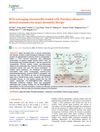
October 2025 in “Nano Research” In this study, researchers developed a dissolvable microneedle patch combining HA-TEMPO and Portulaca oleracea L.-derived nanoparticles, which effectively reduced oxidative stress and inflammation in an atopic dermatitis model while restoring immune balance, suggesting a promising treatment strategy.
 8 citations
,
November 2022 in “International Journal of Cosmetic Science”
8 citations
,
November 2022 in “International Journal of Cosmetic Science” This review discusses the limitations of current hair classification systems and highlights the need for standardized reporting of key hair characteristics to improve study comparisons; it reports no new results.
4 citations
,
April 2025 in “Antioxidants” This study found that α-ketoglutarate protected dermal papilla cells from oxidative stress by enhancing the Nrf2 pathway and mitigating cell damage through the ERK/Nrf2 axis.
 7 citations
,
January 2021 in “Evidence-based complementary and alternative medicine”
7 citations
,
January 2021 in “Evidence-based complementary and alternative medicine” This study suggests that porphyra-334 may have antiaging properties, promoting collagen synthesis, improving periorbital wrinkles, and supporting hair follicle growth through gene regulation.
In this study, researchers found that an injectable solution of low-molecular-weight hyaluronic acid and amino acids significantly improved skin rejuvenation and elasticity in the labia majora of post-menopausal women over 12 weeks, with a reported 25% or greater aesthetic improvement and high patient satisfaction.
 January 2025 in “Scripta Medica”
 In this study, PDO, PLLA, and PCL thread implants in ageing rat skin did not alter MMP1 gene expression but maintained collagen levels similar to young skin without UV-B exposure, suggesting possible benefits for skin collagen but not gene expression modification.
 25 citations
,
January 2017 in “International Journal of Trichology”
25 citations
,
January 2017 in “International Journal of Trichology” This study found that nutritional deficiencies, particularly in amino acids and certain micronutrients, are common in individuals with hair loss across all types of alopecia.
 February 2025 in “Clinical Cosmetic and Investigational Dermatology”
 This study used Mendelian randomization to explore associations between 1400 blood metabolites and female-pattern hair loss, finding 23 metabolites and 4 metabolic ratios linked to the condition, while identifying fructose/mannose metabolism as a significant pathway.

This study assessed the environmental impact of the drug finasteride on Daphnia magna, finding that both acute and chronic exposure impaired development and reproduction, affected gene expression and metabolism, and altered lipid profiles, highlighting the need to understand pharmaceutical impacts on aquatic ecosystems.
5 citations
,
December 1978 in “PubMed” This article reviews the connection between malabsorption syndrome and skin diseases, reporting common skin complications and noting their improvement with malabsorption treatment; it offers no new clinical results.
49 citations
,
September 2004 in “Journal of the European Academy of Dermatology and Venereology” This study found that careful light microscopy using fluid-mounted hair improves detection of the pili annulati phenotype, which varies widely in expression and affects hair fragility.