 April 2026 in “Zenodo (CERN European Organization for Nuclear Research)”
 In this case study, a female patient with alopecia areata experienced significant symptom reduction after Ayurvedic treatments including Nasya and Pracchanna karma, suggesting potential effectiveness of this approach for managing autoimmune hair disorders.
 12 citations
,
December 2018 in “Clinical Ophthalmology”
12 citations
,
December 2018 in “Clinical Ophthalmology” This review summarizes clinical trials and comparative studies showing that latanoprostene bunod 0.024% is effective and safe for reducing intraocular pressure in patients with open-angle glaucoma or ocular hypertension, detailing its mechanism and side effects while considering its therapeutic role.
 January 2024 in “Wiadomości Lekarskie”
 This study will evaluate the preferences for professional language interpretation services among patients with limited English proficiency in the otolaryngology clinic setting, aiming to improve communication and healthcare outcomes.
18 citations
,
May 2024 in “Pharmaceutics” This review discusses advances in drug delivery systems to enhance oleanolic acid's bioavailability and therapeutic potential but reports no new clinical results.
 May 2026 in “International Journal of Homoeopathic Sciences”
 In this case report, a 28-year-old woman with alopecia areata experienced reduced hair fall and gradual hair regrowth following treatment with individualized homeopathy, but the authors note that further studies with larger patient groups are needed to confirm these findings.
 September 2019 in “Journal of Investigative Dermatology”
 This clinical trial found that Sandalore® 1% significantly reduced hair shedding and increased hair volume and anagen hair follicles in women with telogen effluvium compared to placebo.
4 citations
,
December 2024 in “Archives of Dermatological Research”  December 2022 in “Research Square (Research Square)”
 This study found that an extract from the herbal medicine Ophioglossum vulgatum Linn. showed potential hair growth promotion and increased ATP and catalase activity in cell assays, suggesting its use in treating alopecia.
January 2025 in “AYUSHDHARA” This study observed that using Ayurvedic herbomineral medicines effectively treated diarrhea induced by chemotherapy in a patient, offering an encouraging alternative that may be less costly than some modern medicines.
 1 citations
,
February 2009 in “Clinical and Experimental Dermatology”
1 citations
,
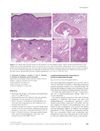
February 2009 in “Clinical and Experimental Dermatology” This study reports an improvement in lymphomatoid papulosis type A in a 52-year-old patient who concurrently used hormone-replacement therapy.
3 citations
,
March 2024 in “Journal of the American Academy of Dermatology” Low-dose naltrexone helps improve symptoms and stabilize frontal fibrosing alopecia and lichen planopilaris.
 January 2018 in “Hair transplant forum international”
 This study explores the use of low-dose naltrexone as a novel treatment for lichen planopilaris, but specific results or outcomes are not detailed in the abstract.
 September 2022 in “PubMed”
 In this observational study, researchers reported beneficial results in treating an 18-year-old female with PCOS using individualized homeopathy and lifestyle modifications over one year, suggesting this approach as a complementary treatment option.

The document's conclusion cannot be provided because the document is not available or cannot be read.
 36 citations
,
November 2005 in “Journal of The American Academy of Dermatology”
36 citations
,
November 2005 in “Journal of The American Academy of Dermatology” This article discusses the potential of latanoprost for treating alopecia areata, but notes that well-controlled studies are still needed to confirm its effectiveness.
18 citations
,
January 2013 in “Evidence-based Complementary and Alternative Medicine” In this study, ALR was found to enhance both the proliferation and osteogenic differentiation of mouse bone marrow mesenchymal stem cells, potentially through specific signaling pathways.
November 2025 in “Quantum Wellness : Jurnal Ilmu Kesehatan” This study analyzed the ethanol extract of pacing tawar leaves and found it contains alkaloids, saponins, tannins, and steroids but not flavonoids, suggesting potential for use in natural medicinal products.
 October 2022 in “International Journal of Homoeopathic Sciences”
 This case report describes a 28-year-old male patient with alopecia areata who received Natrium Muriaticum as an individualized homeopathic treatment for hair loss in his beard area, but it provides no broader clinical findings.
June 2024 in “Kerala Journal of Ayurveda” In this case report, an 18-year-old male with alopecia areata showed significant hair regrowth after six weekly treatments with Pracchana, accompanied by the external application of Indraluptha mashi and Malathyadi kera, suggesting these interventions may be effective for managing spot baldness.
This case study reported that Ayurvedic treatment using Pracchana and Bibhitaki Lepa significantly improved symptoms of alopecia areata in a 41-year-old woman, reducing patch size and hair fall.
June 2025 in “British Journal of Dermatology” This study highlights the diverse prescribing and monitoring practices for low-dose oral minoxidil among dermatologists in the UK and Ireland, used widely for various hair loss conditions both as monotherapy and adjunctive therapy.
3 citations
,
January 2011 in “Indian Journal of Dermatology Venereology and Leprology” This study found that an adjusted dosing regimen of oral betamethasone led to complete hair regrowth in an 8-year-old with alopecia totalis, without observed side effects.
This study concluded that a formulated herbal suspension containing selected home remedial herbs was effective for the prevention and treatment of polycystic ovary syndrome in an animal model.
 1 citations
,
April 2023 in “International Journal of Homoeopathic Sciences”
1 citations
,
April 2023 in “International Journal of Homoeopathic Sciences” This article discusses homoeopathic management of a case of alopecia areata and reports no new clinical results.
 June 2022 in “Asian Pacific journal of health sciences”
 This study reports a case of Indralupta (Alopecia Areata) successfully treated using Ayurvedic methods including Prachhan karma, Lepa, and Shirodhara, offering an alternative to conventional treatments like minoxidil and steroids, which may have adverse effects.
14 citations
,
December 2017 in “Journal of Investigative Dermatology Symposium Proceedings” This review discusses unconventional therapies for managing alopecia areata, highlighting antihistamines, cryotherapy, and low-dose naltrexone, but reports no new clinical results and emphasizes the need for further research.
99 citations
,
July 1996 in “Journal of Investigative Dermatology” Using patient's own hair cells can effectively heal chronic leg ulcers.
 January 2024 in “Editora In Vivo eBooks”
 In this case report, a dog was diagnosed with dermatophytosis, a zoonotic fungal infection common in humid climates, presenting with alopecia in the neck and ear regions.
 April 2019 in “Journal of Investigative Dermatology”
 This clinical trial found that topical application of Sandalore® 1% significantly reduced hair shedding and increased hair volume in women with telogen effluvium compared to placebo.
1 citations
,
January 1987 in “Veterinary Dermatology” The study reported that topical 0.1% tacrolimus improved proliferative and necrotizing otitis externa in cats, with complete lesion resolution in some cases.