June 2020 in “International Journal of Women’s Dermatology” This case report highlights the importance of considering frontal fibrosing alopecia in young women, emphasizing early diagnosis to preserve hair and limit inflammation.
 November 2022 in “The journal of investigative dermatology/Journal of investigative dermatology”
 This study generated a transcriptomic map of human hair follicles, identifying compartment-specific gene expression profiles that can aid in developing targeted therapies for hair follicle disorders.
 115 citations
,
March 2019 in “Nature Communications”
115 citations
,
March 2019 in “Nature Communications” This study identified significant genetic associations with frontal fibrosing alopecia at four genomic loci, suggesting it is a genetically predisposed immuno-inflammatory disorder influenced by the HLA-B*07: 02 allele.
 January 2024 in “JEADV clinical practice”
 This study reported high patient satisfaction with multidisciplinary shared medical appointments for alopecia areata and frontal fibrosing alopecia, with participants appreciating the educational and supportive group environment.
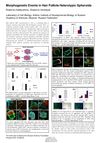
This study found that hyaluronic acid increased the size of hair follicle germ-like aggregates and the number of proliferative cells but did not maintain specific markers during the process.
 April 2023 in “Journal of Investigative Dermatology”
 This research developed new in vitro models for high-throughput screening of drugs that could protect or restore immune privilege in hair follicles, finding that Tofacitinib was effective in preventing inflammation-related marker upregulation, while Tacrolimus and αMSH worked specifically in outer root sheath keratinocytes.
5 citations
,
March 2020 in “Aids Reviews” This review found that hair antiretroviral concentration may be associated with several factors, including hair type and genetic factors, but not with race/ethnicity or alcohol use.
 September 2013 in “Hair transplant forum international”
 This article discusses the formation and membership of the British Association of Hair Restoration Surgeons and reports no clinical findings.
9 citations
,
April 2023 in “Experimental Dermatology” This study found that adding allergen immunotherapy to conventional treatment may reduce relapse-related hair loss in house dust mite-allergic alopecia areata patients over a 3-year period.
 1 citations
,
November 2023 in “Contact dermatitis”
1 citations
,
November 2023 in “Contact dermatitis” In this study, sensitization to ethylhexyl salicylate was found in 27.3% of patients with frontal fibrosing alopecia, suggesting it may be a potential contact allergen for this condition.
January 2026 in “International Society of Hair Restoration Surgery” This article explains the relevance of the American Medical Association to ISHRS members for health policy and medical education, with no new research findings reported.
 December 2022 in “Jurnal Kesehatan Jompa”
 This article reviews the causes and current treatment options for androgenetic alopecia, reporting no new clinical findings and highlighting the need for more therapeutic choices.
21 citations
,
March 2018 in “JEADV. Journal of the European Academy of Dermatology and Venereology/Journal of the European Academy of Dermatology and Venereology” This review reported that 5-alpha-reductase inhibitors were effective in stabilizing disease progression or reducing the rate of progression in some cases of frontal fibrosing alopecia, though evidence on safety remains limited.
December 2023 in “Journal of Asia Pacific Aesthetic Sciences” This study found that a novel method of isolating human follicle stem cells from hair follicles via mechanical centrifugation, without culture conditions, promises to improve hair density in patients with Androgenetic Alopecia and some cases of Alopecia Areata.
 4 citations
,
January 2020 in “Skin appendage disorders”
4 citations
,
January 2020 in “Skin appendage disorders” This case report describes a unique presentation of frontal fibrosing alopecia characterized by a hair loss pattern that resembles the Greek letter upsilon, supported by trichoscopic and histological findings.
6 citations
,
May 2012 in “The Journal of Dermatology” This letter reports on a case of intractable ophiasis-type alopecia areata that was presumably improved by fexofenadine, but no new clinical results are presented.
13 citations
,
March 2014 in “Journal of Clinical Laboratory Analysis” This study found that patients with alopecia areata had significantly higher serum MIF levels compared to healthy controls, which correlated with greater disease severity and duration.
 46 citations
,
August 2016 in “Journal of The American Academy of Dermatology”
46 citations
,
August 2016 in “Journal of The American Academy of Dermatology” This study found that lifestyle factors such as diet, personal history, and psychological stress may be linked to the development of adult female acne, based on observed associations in a case-control setting.
February 2023 in “Archives of Dermatological Research” This study found that despite challenges, a combination of oral antibiotics, anti-androgens, oral retinoids, biologics, and surgery were important in managing hidradenitis suppurativa in patients with intellectual and developmental disabilities.
 59 citations
,
January 2002 in “Dermatology”
59 citations
,
January 2002 in “Dermatology” This study suggests the existence of a new subtype of alopecia, called 'acute diffuse and total alopecia of the female scalp (ADTAFS)', characterized by acute, diffuse hair loss primarily in women and a rapid recovery.
January 2025 in “International Journal of Research in Medical Science” The researchers reported that treating Alopecia Areata patients with the homeopathic remedy Fluoric Acid resulted in substantial hair regrowth and reduced relapse rates over a 6-year period, suggesting it may be an effective alternative to conventional treatments.
 January 2011 in “Journal of Human Genetics”
 This study found a severe MBTPS2 gene mutation in a Japanese IFAP syndrome patient, suggesting other factors may influence the syndrome's clinical features compared to previously studied patients.
4 citations
,
November 2020 in “Acta Dermato Venereologica” In this study, patients with specific skin and scalp conditions, including eczematous lesions, showed significant improvement after two weeks of oral tofacitinib treatment, as evidenced by changes in the trunk lesions.
June 2026 in “Value in Health” May 2026 in “International Journal of Dermatology” This study investigated a unique frontal fibrosing alopecia-like presentation of alopecia areata, finding that patients experienced an insidious, chronic course with limited scalp hair regrowth, and showed a lower response to systemic corticosteroids compared to patchy alopecia areata.
 January 2005 in “Translational and Clinical Pharmacology”
 HDMHG0401-10 improves hair loss in men with androgenetic alopecia and has no major side effects.
 10 citations
,
March 2016 in “Journal of The American Academy of Dermatology”
10 citations
,
March 2016 in “Journal of The American Academy of Dermatology” This review discusses the potential usefulness and safety profile of oral antiandrogens for treating frontal fibrosing alopecia, noting possible benefits but acknowledges that finasteride's efficacy remains uncertain.
 January 2020 in “Clinical Case Reports and Reviews”
 This study observed that the coexistence of Frontal Fibrosing Alopecia and lupus erythematosus in a patient may suggest a shared pathogenic background.
40 citations
,
August 2005 in “JEADV. Journal of the European Academy of Dermatology and Venereology/Journal of the European Academy of Dermatology and Venereology” In this case report, a 3-year-old male with IFAP syndrome showed moderate improvement in skin symptoms and corneal erosions but no change in alopecia or photophobia after 6 months of acitretin therapy.
77 citations
,
February 2001 in “Journal of Dermatological Science” HGF activator helps convert HGF to its active form, promoting hair growth.