4 citations
,
November 2025 in “Nature Reviews Disease Primers” 2 citations
,
December 2023 in “International Journal of Dermatology” In this study, researchers identified a unique variant of alopecia areata characterized by an increase in telogen hair follicles and minimal inflammation present in the microenvironment.
 1 citations
,
June 2022 in “International Journal of Dermatology”
1 citations
,
June 2022 in “International Journal of Dermatology” FFA in men shows unique features and treatment results vary widely.
290 citations
,
August 2021 in “Clinical Reviews in Allergy & Immunology” JAK inhibitors show promise for treating alopecia areata, but more research is needed.
 43 citations
,
November 2019 in “American Journal of Clinical Dermatology”
43 citations
,
November 2019 in “American Journal of Clinical Dermatology” This review discusses female androgenetic alopecia, highlighting its diagnostic challenges and management strategies, but it reports no new results.
 89 citations
,
March 2018 in “The Journal of Dermatology”
89 citations
,
March 2018 in “The Journal of Dermatology” This review presents various trichoscopic findings for diagnosing alopecia areata but reports no new clinical results, emphasizing that no single marker is pathognomonic and multiple features should be considered together.
 12 citations
,
May 2017 in “Pharmacology & therapeutics”
12 citations
,
May 2017 in “Pharmacology & therapeutics” This review discusses the mechanisms underlying immune tolerance failure in alopecia areata and highlights potential therapeutic avenues for restoring hair growth and achieving sustained remission, but reports no new clinical results.
 4 citations
,
October 2012 in “Archives of Dermatology”
4 citations
,
October 2012 in “Archives of Dermatology” Hair diameter diversity is a key sign for diagnosing and managing male pattern baldness.
 63 citations
,
October 2011 in “Archives of Dermatology”
63 citations
,
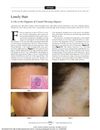
October 2011 in “Archives of Dermatology” Isolated long hairs at the original hairline can help diagnose Frontal Fibrosing Alopecia.
 14 citations
,
January 2006 in “Australasian journal of dermatology”
14 citations
,
January 2006 in “Australasian journal of dermatology” This case report describes an atypical presentation of alopecia areata in a 53-year-old postmenopausal woman, which may resemble frontal fibrosing alopecia and complicate diagnosis.