 1 citations
,
November 2023 in “Indian Journal of Science and Technology”
1 citations
,
November 2023 in “Indian Journal of Science and Technology” In this study, researchers identified several active metabolites in Eclipta alba, demonstrated strong interaction with Alzheimer's disease proteins, and found that 28 days of treatment improved memory without significant toxicity in rats, suggesting potential pathways for treating Alzheimer's.
 August 2025 in “International Journal of Research in Dermatology”
 This case report highlights an atypical presentation of acrodermatitis enteropathica in an 18-year-old male, exhibiting symptoms like erythrokeratoderma variabilis with a positive response to high-dose oral zinc, underscoring the importance of considering zinc deficiency in unusual skin conditions.
 4 citations
,
March 2002 in “International journal of toxicology”
4 citations
,
March 2002 in “International journal of toxicology” In this study on tolerant rats, maternal and developmental toxicity from levo-alpha-acetyhnethadol hydrochloride were observed at all doses, without specific fetal toxicity or teratogenic effects.
 13 citations
,
June 2024 in “Asian Pacific Journal of Cancer Prevention”
13 citations
,
June 2024 in “Asian Pacific Journal of Cancer Prevention” The researchers reported that the ethyl ester group in YH239-EE may enhance its ability to induce cell death, making the (+) enantiomer a potentially promising therapy for breast cancer reflected in MCF7 cell studies.
15 citations
,
January 1991 in “Mammalian Genome” In this laboratory study, researchers developed and tested two in vitro models to simulate atopic dermatitis using HaCaT cells, finding that azithromycin displayed epithelial-strengthening properties in one model, potentially offering insights for future research on skin disease interventions.
 July 2025 in “Journal of Investigative Dermatology”
 In this study, AMP-303 injections demonstrated a trend toward increasing non-vellus hair count in men with mild to moderate androgenetic alopecia, notably showing a 14.5% peak increase at 60 days compared to saline, with effects lasting up to five months.
 September 2022 in “bioRxiv (Cold Spring Harbor Laboratory)”
 This study found that the deletion of Med1 in dental epithelia causes a shift from dental to hair tissue development, suggesting the importance of Med1 in maintaining tissue-specific lineage.
 3 citations
,
September 2022 in “Journal of the American Academy of Dermatology”
3 citations
,
September 2022 in “Journal of the American Academy of Dermatology” In this study, baricitinib treatment for severe alopecia areata showed similar safety and led to hair regrowth improvements independent of atopic background, with 40.8% of patients with atopy achieving a significant response compared to 30.2% without atopy when using a 4 mg dose.
6 citations
,
October 2016 in “Pediatric Dermatology” This case report describes a unique instance of a 6-year-old girl developing angioedema after treatment with squaric acid dibutylester for alopecia areata.
18 citations
,
January 2013 in “Evidence-based Complementary and Alternative Medicine” In this study, ALR was found to enhance both the proliferation and osteogenic differentiation of mouse bone marrow mesenchymal stem cells, potentially through specific signaling pathways.
 November 2022 in “The journal of investigative dermatology/Journal of investigative dermatology”
 This study suggests that allergens like linalool found in personal care products may contribute to the pathobiology of frontal fibrosing alopecia by affecting immune responses and stem cell function in hair follicles.
June 2026 in “Mendeley Data” This dataset provides additional exposure data and comprehensive analyses for a study on the long-term effects of particulate matter on androgenetic alopecia, but it presents no new findings.
 April 2011 in “The FASEB Journal”
 In this study, aralia continentalis extract was observed to promote hair follicle development in mice through anagen progression, with the low dose being more effective than the high dose.
 39 citations
,
April 2019 in “Journal of Biomaterials Science, Polymer Edition”
39 citations
,
April 2019 in “Journal of Biomaterials Science, Polymer Edition” This review discusses recent research and applications of RADA16 and RADA16-based peptide scaffolds in biomedicine, including their roles in tissue repair and drug delivery, but reports no new clinical results.
9 citations
,
July 2022 in “Journal of Cosmetic Dermatology” In this study, an ammonia-free and PPD-free permanent hair dye was tested on 50 ethnically diverse females, showing no cases of contact dermatitis and significant improvements in hair shine, color, moisturization, porosity, and combability after two dyeing sessions.
January 2005 in “Di-san junyi daxue xuebao” This study found that treatment with aerosol bioelectricity accelerated wound healing in burned rats by enhancing the expression of EGF and β_1 integrin in skin basal and hair follicle cells.
44 citations
,
December 2005 in “Journal of Investigative Dermatology” This study found significant associations between certain MICA variants and haplotypes with alopecia areata, suggesting MICA as a potential candidate gene linked to the disease's susceptibility and severity.
15 citations
,
July 2015 in “Developmental Dynamics” This study highlights the role of Orai1 in ameloblast differentiation and maturation, showing that its down-regulation affects cell proliferation and enamel formation during tooth development.
July 2026 in “Journal of the American Academy of Dermatology” July 2024 in “Journal of Investigative Dermatology” This study found that in mice with alopecia areata, CD8+ T cells showed clonal expansion and specific regulatory networks, which might help identify new therapeutic targets for patients not responding to JAK inhibitors.
February 2026 in “The Plant Journal” This study found that in Arabidopsis, root hair-specific proteins ADF8 and ADF11 are crucial for responding to hormonal signals like auxin and ethylene, which in turn modulate actin filament dynamics and are key for root hair growth under various environmental conditions.
November 2023 in “Journal of Investigative Dermatology” This study used advanced single-cell RNA and chromatin sequencing to investigate differences in peripheral blood cells between mild and severe alopecia areata patients, uncovering shared transcription factor motifs that may explain disease severity and open avenues for future research on therapeutic targets.
 11 citations
,
September 2011 in “British Journal of Dermatology”
11 citations
,
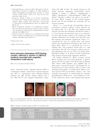
September 2011 in “British Journal of Dermatology” New ABCA12 gene mutations were linked to a skin condition with scaling and hair loss, and a treatment helped with hair loss in a related case.
 August 2016 in “Journal of Investigative Dermatology”
 This study found that the activity of CD73, an enzyme expressed in the hair follicle epithelium, may regulate human hair growth by modulating adenosine production.
 58 citations
,
April 1998 in “Journal of biological chemistry/The Journal of biological chemistry”
58 citations
,
April 1998 in “Journal of biological chemistry/The Journal of biological chemistry” This study identified that the enzyme CYP2B12 is skin-specific and likely plays a role in the metabolism of arachidonic acid, a key component in lipid signaling within sebaceous glands.
September 2025 in “OPAL (Open@LaTrobe) (La Trobe University)” This study observed that treating hair follicles with BM15766 and 7DHC led to structural damage, disrupted cellular organization, reduced expression of key genes and proteins, and increased apoptosis, in contrast to controls, indicating detrimental effects on hair follicle integrity.
114 citations
,
October 2006 in “Journal of the European Academy of Dermatology and Venereology” In this study, clobetasol propionate foam demonstrated effectiveness and good patient compliance as a safe topical treatment for moderate to severe alopecia areata, with significant hair regrowth compared to placebo.
![Influence of FHIT on Benzo[a]pyrene-Induced Tumors and Alopecia in Mice: Chemoprevention by Budesonide and N-Acetylcysteine](/images/assets/f8f56777-f891-4879-8c45-c87d6aa82563/small/35499.jpg) 24 citations
,
May 2006 in “Proceedings of the National Academy of Sciences of the United States of America”
24 citations
,
May 2006 in “Proceedings of the National Academy of Sciences of the United States of America” This study reported that heterozygosity for FHIT affects mice's susceptibility to spontaneous alopecia areata and to certain preneoplastic lesions induced by benzo[a]pyrene, but does not change how they respond to budesonide and N-acetyl-L-cysteine.
 23 citations
,
March 2001 in “Clinics in dermatology”
23 citations
,
March 2001 in “Clinics in dermatology” This study found that 363 genes were differentially expressed in alopecia areata skin compared to non-lesional skin, suggesting T-cell mediated immune responses and distinct gene profiles related to the disease's stage.