September 2023 in “Journal of the American Academy of Dermatology” CTP-543 is generally safe for treating alopecia areata.
42 citations
,
February 2019 in “Circulation” This study observed that DNA damage response (DDR) plays a key role in pressure overload-induced cardiomyocyte hypertrophy, with disruption of the ATM kinase pathway potentially modulating this hypertrophy in mice.
 October 2025 in “Proceedings of the National Academy of Sciences”
 This study identifies the PI4P-RHD4 module as a key regulator of GET pathway receptor dynamics in Arabidopsis, affecting TA protein insertion and root hair growth.
 December 2025 in “Naunyn-Schmiedeberg s Archives of Pharmacology”
 In this animal study, AGO (agomelatine) effectively alleviated testosterone-induced benign prostatic hyperplasia in rats by reducing oxidative stress and inflammation, indicating its potential as a therapeutic option for managing BPH through specific signaling pathways.
July 2022 in “Journal of Investigative Dermatology” This study reports that dermatologists account for only 23% of social media posts about AGA therapy but have the highest average follower count, suggesting they could significantly enhance education on these platforms.
April 2019 in “Journal of the Endocrine Society” This study found that in male mouse pancreatic islet β cells, testosterone enhances glucose-stimulated insulin secretion by being locally converted into dihydrotestosterone and estradiol.
48 citations
,
June 2000 in “Japanese Journal of Cancer Research” This study found that dimethylarsinic acid significantly accelerates skin tumor development in hair follicle-targeted K6/ODC transgenic mice.
 4 citations
,
July 2020 in “Biochemical and Biophysical Research Communications”
4 citations
,
July 2020 in “Biochemical and Biophysical Research Communications” This study suggests that EDA-A2 induces apoptosis in hair follicles by increasing DKK-1 expression, implicating EDA2R signaling as a potential therapeutic target for androgenetic alopecia.
35 citations
,
July 2010 in “The FEBS journal” In this study, researchers identified a highly reactive, isozyme-specific sequence for TGase 3, contributing to understanding its distinct functional role and activity distribution in the mouse epidermis.
 June 2024 in “Journal of medicinal chemistry”
 This study developed a method for designing peptide-based PROTAC drugs using advanced AI models, successfully identifying peptides that bind to specific receptors and incorporating them into a potential transdermal treatment for androgenetic alopecia.
In this multicenter Phase II trial, researchers found that topical GT20029 significantly increased hair regrowth in Chinese adult males with androgenetic alopecia compared to placebo, demonstrating good tolerability and suggesting the need for further studies to confirm its therapeutic potential.
 January 2023 in “Journal of surgery and research”
 This article discusses various treatments for androgenetic alopecia and reports no new clinical results, noting the condition's aesthetic and psychological impact.
 17 citations
,
August 1979 in “Journal of The American Academy of Dermatology”
17 citations
,
August 1979 in “Journal of The American Academy of Dermatology” This study found that a histochemical stain using 4-dimethyl-aminocinnamaldehyde effectively distinguishes between plucked anagen and telogen hairs by causing the root ends of anagen hairs to develop a red color.
1 citations
,
January 2013 in “PubMed” In this study, treating hair with thioglycolic acid was found to alter disulfide bond patterns in keratin-associated proteins, shifting them from an ellipsoidal to a near-spherical shape.
25 citations
,
March 2004 in “Regulatory Toxicology and Pharmacology” Using testosterone-stimulated weanling rats can effectively replace castrated rats for anti-androgen testing, reducing animal stress.
1 citations
,
January 2024 in “Pharmaceuticals” The researchers reported that dPGS-PCL as a carrier improved the penetration of tofacitinib in an ex-vivo human skin model compared to free tofacitinib, but did not show significant differences in inhibiting IL-6 and IL-8 during short incubation.
2 citations
,
July 2022 in “bioRxiv (Cold Spring Harbor Laboratory)” This study found that oral administration of Thauera sp. strain GDN1 reduced serum androgen levels in male mice by about 50%, suggesting its potential as a probiotic treatment for hyperandrogenism.
 14 citations
,
April 2006 in “Expert Review of Dermatology”
14 citations
,
April 2006 in “Expert Review of Dermatology” This review discusses therapeutic options for androgenetic alopecia, noting that while antiandrogen treatments prevent further hair loss and promote some regrowth, dramatic results are rare.
 19 citations
,
September 2011 in “Journal of Dermatological Science”
19 citations
,
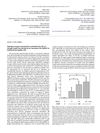
September 2011 in “Journal of Dermatological Science” TGF-β1 increases androgen receptor activity in hair loss, but Hic-5/ARA55 can counter this effect.
 August 2024 in “Quality in Sport”
 This review article examines the latest understanding of androgenetic alopecia's causes and treatment options, emphasizing current research on alternative treatments beyond the approved medications, finasteride and minoxidil, due to potential side effects and the psychological impact of the condition.
1 citations
,
January 2004 in “Wieś Jutra” This study suggests that finasteride may inhibit testosterone-induced expression of TGF-beta1 and type I procollagen, potentially explaining its role in preventing perifollicular fibrosis in androgenetic alopecia.
April 2024 in “Tạp chí Y học Thảm hoạ và Bỏng” This review discusses various treatment options for androgenetic alopecia, considering factors such as effectiveness, side effects, and cost, but reports no new clinical results.
 30 citations
,
November 2013 in “PLOS ONE”
30 citations
,
November 2013 in “PLOS ONE” This study found that androgen/androgen receptor signaling accelerates premature senescence in dermal papilla cells, highlighting a potential target for treating androgenetic alopecia.
 57 citations
,
January 1986 in “The Prostate”
57 citations
,
January 1986 in “The Prostate” This article discusses the role of dihydrotestosterone in human prostatic adenocarcinoma growth and suggests that 6-methyleneprogesterone could be used to inhibit DHT for treating hormone-responsive prostate cancer, without new clinical findings.
4 citations
,
May 2013 in “The Journal of Korean Medicine Ophthalmology and Otolaryngology and Dermatology” This study reported that Gagamchengyoung-tang may reduce scalp disorder and increase hair density in alopecia patients with a febrile tendency.
7 citations
,
March 2023 in “Lasers in Surgery and Medicine” This study found that a single ablative fractional laser treatment significantly reduced hedgehog pathway gene expression in microscopic murine basal cell carcinomas, nearly matching the effects of repeated topical vismodegib applications.
9 citations
,
October 2025 in “MedComm” This review discusses the development and clinical progression of PROTAC technology for targeted protein degradation, highlighting its potential to address previously "undruggable" targets but reports no new clinical results.
2 citations
,
July 2021 in “UNC Libraries” This study suggests that residues Val-889 and Arg-752 in the androgen receptor's steroid binding domain are crucial for NH2-/carboxyl-terminal interaction, affecting receptor stability and function.
 June 2026 in “International Journal of Molecular Sciences”
 This review synthesizes current evidence on the Warburg effect in anaplastic thyroid carcinoma and discusses potential therapeutic targets, but reports no new clinical results.
 54 citations
,
July 2002 in “Clinical and Experimental Dermatology”
54 citations
,
July 2002 in “Clinical and Experimental Dermatology” This article provides a critical overview of recent discoveries in the genetics and molecular processes involved in androgenetic alopecia, focusing on its polygenic basis and DHT dependency, but reports no new clinical results.