8 citations
,
July 2003 in “Annals of the Rheumatic Diseases” This case study describes the successful treatment of a 13-year-old girl with relapsing polychondritis and autoimmune symptoms using co-trimoxazole, highlighting its potential role in managing autoimmune diseases.
 4 citations
,
October 2022 in “Microbial Cell Factories”
4 citations
,
October 2022 in “Microbial Cell Factories” This study identified novel endophytic actinobacteria from the Citrullus colocynthis plant with antibacterial properties, suggesting potential for new antibiotic development against multi-drug-resistant bacteria.
 3 citations
,
January 2016 in “Annals of Dermatology”
3 citations
,
January 2016 in “Annals of Dermatology” This article discusses the multifactorial nature of acne, including its association with follicular hyperkeratosis, sebaceous lipids, Propionibacterium acnes, and perifollicular inflammation, but reports no new clinical findings.
 December 2024 in “World s Veterinary Journal”
 This case study from Ukraine describes a 5-year-old Akita dog diagnosed with sebaceous adenitis, presenting with pruritus, alopecia, and inflammation; treatment over 30 days led to complete restoration of affected areas, implicating potential heritability in Akitas.
 6 citations
,
February 2014 in “Actas Dermo-Sifiliográficas”
6 citations
,
February 2014 in “Actas Dermo-Sifiliográficas” This study found that acanthosis nigricans and skin tags in nondiabetic, obese patients were significantly associated with higher insulin levels, suggesting they may serve as clinical markers of hyperinsulinemia.
 3 citations
,
March 2019 in “Contact Dermatitis”
3 citations
,
March 2019 in “Contact Dermatitis” Using Indian marking nut sap for hair loss caused a skin rash on a woman's face.
October 2025 in “OPAL (Open@LaTrobe) (La Trobe University)” In this case study, a 10-month-old minority infant from Xinjiang, China, with acrodermatitis enteropathy caused by an SLC39A4 gene mutation showed clinical improvement and increased zinc levels following zinc supplementation, highlighting the importance of early genetic testing and customized treatment in managing the disorder.
 13 citations
,
June 2010 in “Journal of The American Academy of Dermatology”
13 citations
,
June 2010 in “Journal of The American Academy of Dermatology” This study reports previously unreported nail features in Cronkhite-Canada syndrome, specifically recurrent onychomadesis of all 20 nails linked to systemic illness.
1 citations
,
October 2019 This study found that skin-infiltrating neutrophils play a crucial role in triggering chronic itch in atopic dermatitis by promoting skin hyperinnervation and enhanced expression of itch signaling molecules in a mouse model.
February 2023 in “Al-Azhar International Medical Journal /Al-Azhar International Medical Journal” In this study, both intralesional and microneedling treatments with triamcinolone acetonide significantly reduced alopecia areata markers, but their clinical responses did not differ significantly, suggesting microneedling as a safe, cost-effective option with minimal complications.
 May 2019 in “Small Animal Dermatology”
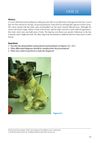
 This chapter discusses a case of sebaceous adenitis in a Japanese Akita, providing educational material for students and practitioners but reports no new research findings.
 August 2025 in “Current Botany”
 This study suggests that Acrotrema arnottianum, a herb used in traditional medicine, contains biologically active metabolites like squalene and α-Tocopherol. It showed antibacterial effects against Staphylococcus aureus and antifungal properties against Candida albicans, while demonstrating antioxidant activity.
8 citations
,
October 2021 in “European Journal of Dermatology” This study found that secondary wound healing in the anogenital/inguinal region after surgical intervention for hidradenitis suppurativa/acne inversa occurs significantly faster than in axillary wounds.
7 citations
,
March 2023 in “JEADV. Journal of the European Academy of Dermatology and Venereology/Journal of the European Academy of Dermatology and Venereology” This letter discusses the potential of the Janus kinase 1 inhibitor abrocitinib for treating oral lichen planus but provides no new research findings.
 September 2025 in “Tạp chí Da liễu học Việt Nam”
 This study found that both 2.5 mg/mL and 5 mg/mL concentrations of intralesional triamcinolone acetonide are effective for treating patchy alopecia areata, but the higher concentration promoted greater hair regrowth and density with more side effects.
1 citations
,
June 2011 in “Journal of Dermatological Case Reports” This case report describes a 38-year-old patient with trichomycosis axillaris, successfully treated with shaving, 3% erythromycin cream, and clotrimazole powder.
41 citations
,
May 2024 in “JDDG Journal der Deutschen Dermatologischen Gesellschaft” This guideline outlines therapies for hidradenitis suppurativa/acne inversa, noting that oral tetracyclines, clindamycin, and surgical options are important for treatment, with adalimumab, secukinumab, and bimekizumab also approved.
 August 2024 in “Archives of Dermatological Research”
 Acne severity is not related to the type or severity of androgenetic alopecia.
 5 citations
,
February 2013 in “Expert Review of Dermatology”
5 citations
,
February 2013 in “Expert Review of Dermatology” New acne treatments include combination creams, advanced retinoids, and light therapies, focusing on safety and patient adherence.
 1 citations
,
November 2013 in “Pediatrics in Review”
1 citations
,
November 2013 in “Pediatrics in Review” This article reviews the management and treatment of acne vulgaris, emphasizing patient education and adherence, but reports no new clinical results; the authors stress the need for individualized therapy.
 15 citations
,
October 2006 in “Journal of the American Academy of Dermatology”
15 citations
,
October 2006 in “Journal of the American Academy of Dermatology” This case report describes subcutaneous emphysema in a patient's forearm as a rare complication of liquid nitrogen spray used on hypertrophic actinic keratosis, resolving spontaneously within a day.
July 2025 in “International Journal of Pharmacognosy and Pharmaceutical Sciences” This review discusses acne's common triggers, challenges with conventional treatments, and the potential of alternative therapies to reduce side effects and enhance outcomes, highlighting an increasing interest in safer approaches due to the limitations of current topical options.
6 citations
,
September 2014 in “Cutaneous and ocular toxicology” This study reports a case of alopecia areata affecting the eyebrow and eyelash in a female patient after starting acitretin therapy for psoriasis.
 March 2014 in “Journal of The American Academy of Dermatology”
 TNF-a may not be as involved in certain types of hair loss as previously thought.
61 citations
,
June 2010 in “Journal of the European Academy of Dermatology and Venereology” This study highlights cases of alopecia areata that developed during anti-TNF-α therapy, suggesting a potential link or increased frequency, particularly among individuals with a personal or family history of autoimmune diseases.
 99 citations
,
December 2010 in “Journal of The European Academy of Dermatology and Venereology”
99 citations
,
December 2010 in “Journal of The European Academy of Dermatology and Venereology” This article discusses the association of acne with various systemic diseases, emphasizing the role of androgen steroids, insulin resistance, and inflammation in acne pathogenesis, but it reports no new clinical results.
3 citations
,
October 2013 in “International Journal of Rheumatic Diseases” This case report found that a patient with cutaneous polyarteritis nodosa experienced rare and severe manifestations, including digital gangrene and a breast ulcer, requiring aggressive treatment and resulting in below-knee amputation.
 February 2026 in “Indian Journal of Dermatology”
 This case report found that a 48-year-old woman with idiopathic twenty-nail dystrophy experienced significant improvement in nail appearance after six months of treatment with oral Upadacitinib.
40 citations
,
August 2005 in “JEADV. Journal of the European Academy of Dermatology and Venereology/Journal of the European Academy of Dermatology and Venereology” In this case report, a 3-year-old male with IFAP syndrome showed moderate improvement in skin symptoms and corneal erosions but no change in alopecia or photophobia after 6 months of acitretin therapy.
9 citations
,
July 1993 in “Archives of dermatology” This report describes ten cases of pityriasis amiantacea to raise awareness of this uncommon scalp condition, highlighting its negative test findings and its uncertain association with other skin diseases.