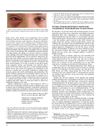
June 2022 in “Journal of Pakistan Association of Dermatologists” In this study, a 15-year-old male with alopecia areata universalis showed significant hair regrowth after an 8-month combination therapy, suggesting that comprehensive treatment, including antiviral, corticosteroid, and LED therapy, may be effective albeit long-term for managing this condition.
 16 citations
,
August 2011 in “Annals of Allergy Asthma & Immunology”
16 citations
,
August 2011 in “Annals of Allergy Asthma & Immunology” This report describes a case of a 19-year-old woman experiencing severe recurrent angioedema with airway issues, leading to multiple emergency visits and unsuccessful treatment with typical steroid-sparing agents.
12 citations
,
March 2021 in “Patient Preference and Adherence” This study found that patients, oncologists, and payers prioritize a significant improvement in efficacy to justify the added risks and costs when considering CDK4/6 inhibitors combined with endocrine therapy for early-stage breast cancer.

This review of SVF treatment for androgenetic alopecia found a significant increase in hair density across studies with no serious adverse events, but calls for standardized protocols and further research.
 21 citations
,
March 2015 in “Journal of The American Academy of Dermatology”
21 citations
,
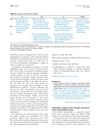
March 2015 in “Journal of The American Academy of Dermatology” In this study, five out of six patients treated with vemurafenib for metastatic melanoma experienced hair loss, which improved after topical steroid treatment.
April 2024 in “Institutional Repositories DataBase (IRDB)” This study identified 11 previously unreported ABCA12 variants associated with varying severities of autosomal recessive congenital ichthyoses and expanded the phenotype spectrum of ichthyosis linked to these variants.
 September 2004 in “Hair transplant forum international”
 This article summarizes a meeting of the American Board of Hair Restoration Surgery's Board of Directors to discuss future plans, but does not report new experimental results.
 June 2024 in “ESMO Gastrointestinal Oncology”
 The BAYONET trial is a phase II study designed to assess the efficacy and safety of combining encorafenib, binimetinib, and cetuximab for patients with BRAF V600E-mutant metastatic colorectal cancer that is resistant to encorafenib plus cetuximab; results are not yet reported.
76 citations
,
March 2005 in “Cancer Research” This study in ND-GFP transgenic mice found doxorubicin inhibited both tumor angiogenesis and growth, visualized through dual-color fluorescence imaging of nascent blood vessels and melanoma cell lines.
 March 2021 in “Indian Journal of Case Reports”
 This case report describes a young adult female with late-stage Vogt-Koyanagi-Harada disease featuring panuveitis, retinal detachment, hearing loss, alopecia, and vitiligo, who was successfully treated in a hospital.
January 2026 in “Open Science Framework” This scoping review aims to map current knowledge about treatment strategies for alopecia caused by VPA (valproic acid) across various patient groups, identifying reported management strategies, supporting evidence, observed outcomes, and areas needing further research, but results are not provided.
 August 2025 in “BMC Pregnancy and Childbirth”
 In this study, prenatal ultrasonography was found to be a valuable tool for screening ectodermal dysplasia during pregnancy, and a new EDA gene variant associated with X-linked hypohidrotic ectodermal dysplasia was identified, aiding in more accurate diagnoses and reproductive decision-making.
10 citations
,
January 2021 in “Annals of dermatology/Annals of Dermatology” This case report describes a rare instance of alopecia areata linked to nivolumab treatment in a patient with hepatocellular carcinoma.
July 2024 in “Reactions Weekly” April 2023 in “Journal of Investigative Dermatology” In this study, researchers developed a mouse model of scarring alopecia and observed significant reductions in CD200R expression in affected skin, potentially linking this signaling pathway to immune attacks on hair follicles and suggesting new treatment targets for scarring hair loss.
October 2024 in “Endocrinology Insights” In this study, researchers found that both the EU-TIRADS and Bethesda systems exhibited high specificity but suboptimal sensitivity for predicting thyroid nodule malignancy in patients who underwent surgery, with Bethesda system showing particularly high specificity in this postoperative population.
18 citations
,
January 2010 in “Dermatology Research and Practice” This case report describes a 30-year-old Brazilian male who developed vitiligo lesions following diphencyprone therapy for alopecia areata.
December 2025 in “Medical dosimetry” 1 citations
,
April 2022 in “F1000Research” This study found that pediatric cancer patients at Muhimbili National Hospital commonly experienced adverse drug reactions during chemotherapy, despite drug prescribing patterns aligning with essential medicine lists.
 34 citations
,
August 2002 in “British Journal of Dermatology”
34 citations
,
August 2002 in “British Journal of Dermatology” This study observed that two patients treated with interferon α-2b and ribavirin for chronic hepatitis C experienced complete and reversible straightening of their natural curly hair, which recurred with treatment resumption.
 5 citations
,
July 2020 in “Journal of Cosmetic Dermatology”
5 citations
,
July 2020 in “Journal of Cosmetic Dermatology” This study found that using a vibration anesthetic device during scalp mesotherapy significantly reduced pain in patients with androgenetic alopecia and alopecia areata compared to the non-vibration side.
 1 citations
,
November 2011 in “Journal of AIDS & Clinical Research”
1 citations
,
November 2011 in “Journal of AIDS & Clinical Research” Raltegravir may cause hair loss in some patients.
June 2022 in “Mayo Clinic Proceedings” This case report describes a 69-year-old man diagnosed with stage 3 acute kidney injury secondary to new IgG kappa light chain multiple myeloma, where treatment with bortezomib-based therapy showed potential for kidney function salvage.
November 2025 in “Clinical and Translational Allergy” This study developed a consensus document to guide danazol discontinuation in hereditary angioedema patients, enhancing the standardization and safety of treatment protocols.
1 citations
,
May 2017 in “Journal of Clinical Oncology” This study found that applying BPM 31543 twice daily was safe, well-tolerated, and showed signs of reducing chemotherapy-induced alopecia in women receiving taxane-based chemotherapy.
64 citations
,
August 1977 in “PubMed” This article describes the skin changes seen in acute and chronic graft-vs-host reactions after bone marrow transplantation, highlighting the potential for early recognition due to the visibility of these changes, but reports no new clinical results.
6 citations
,
June 2021 in “EClinicalMedicine” In this study, ALRV5XR significantly increased hair regrowth in women with androgenetic alopecia or telogen effluvium, with no adverse events reported.
 June 2021 in “Research Square (Research Square)”
 This study reports that a single injection of stromal vascular fraction (SVF) cells into the scalp of patients with androgenetic alopecia significantly increased hair density and thickness within 3 to 6 months, with no observed side effects.
 1 citations
,
November 2025 in “International Journal of Clinical Pharmacy”
1 citations
,
November 2025 in “International Journal of Clinical Pharmacy” This study confirms known risks of cladribine and reveals potential new safety concerns, emphasizing the need for careful monitoring for early acute toxicity.
 5 citations
,
June 2019 in “Open Forum Infectious Diseases”
5 citations
,
June 2019 in “Open Forum Infectious Diseases” This report describes six cases of hair loss in African American women after switching to tenofovir alafenamide, suggesting it as a possible adverse effect in this population.