14 citations
,
June 2022 in “British Journal of Dermatology” This study found that the Alopecia Areata Symptom Impact Scale (AASIS) is a better tool than the Alopecia Areata Quality of Life Index (AA-QLI) for assessing patient-reported outcomes in alopecia areata.
 September 2024 in “Skin Appendage Disorders”
 This case report describes a 21-year-old woman with circumscribed alopecia areata incognita, who experienced a sustained positive response to treatment with oral tofacitinib after conventional treatments frequently failed to provide lasting effects.
January 2015 in “Faculty of 1000 Research Ltd” Androgenetic alopecia may be irreversible due to the detachment of a muscle from hair follicles.
9 citations
,
March 1998 in “PubMed” This study describes a 4-year-old spayed female ferret diagnosed with adrenocortical carcinoma, where surgical removal of the mass resulted in complete hair regrowth and improvement of clinical symptoms within four weeks.
January 2017 in “Seoul National University Open Repository (Seoul National University)” This study found that the N-terminal fragment of AIMP1 enhances hair growth and proliferation of hair follicle stem cells in mice, suggesting its potential as a therapeutic peptide for hair loss treatment.
15 citations
,
April 2011 in “The journal of investigative dermatology/Journal of investigative dermatology” This study found that A(3)B(5) downregulates melanin production and suppresses melanoma cell growth by promoting proteasomal degradation of TRP-2.
69 citations
,
December 2006 in “Archives of dermatology” This entry contains no research abstract, so no scientific findings or conclusions are reported.
May 2026 in “International Journal of Dermatology” This study investigated a unique frontal fibrosing alopecia-like presentation of alopecia areata, finding that patients experienced an insidious, chronic course with limited scalp hair regrowth, and showed a lower response to systemic corticosteroids compared to patchy alopecia areata.
January 2023 in “The Egyptian Journal of Hospital Medicine” This study found that type A botulinum toxin treatment significantly increased hair thickness and reduced vellous hair count in patients with androgenetic alopecia, suggesting its potential as an effective therapy.
 2 citations
,
August 2021 in “Photodiagnosis and Photodynamic Therapy”
2 citations
,
August 2021 in “Photodiagnosis and Photodynamic Therapy” In this study, 5-aminolevulinic acid photodynamic therapy did not improve hair growth in patients with androgenetic alopecia but was safe and slightly reduced scalp sebum secretion.
 January 2024 in “Aesthetic Plastic Surgery”
 This study found that botulinum toxin type A inhibited apoptosis in dermal papillary cells induced by dihydrotestosterone through the circ_0135062/miR-506-3p/Bax axis.
January 2025 in “Dermatologic Therapy” In this study, AA patients and healthy controls showed no significant difference in carotid intima-media thickness, but AA patients had higher diastolic blood pressure and fasting blood glucose levels, indicating potential cardiovascular risks.
8 citations
,
January 2014 in “Indian Journal of Paediatric Dermatology” This case report describes a 4-year-old boy with congenital alopecia characterized by complete irreversible hair loss and papular lesions associated with keratin-filled cysts.
 June 2023 in “British journal of dermatology/British journal of dermatology, Supplement”
 This report highlights a case of a 35-year-old man developing alopecia universalis following alemtuzumab treatment for multiple sclerosis, suggesting potential links between this medication and drug-induced alopecia areata, though the genetic overlap of the conditions may also play a role.
 January 2023 in “Journal of surgery and research”
 This article discusses various treatments for androgenetic alopecia and reports no new clinical results, noting the condition's aesthetic and psychological impact.
6 citations
,
October 2016 in “Pediatric Dermatology” This case report describes a unique instance of a 6-year-old girl developing angioedema after treatment with squaric acid dibutylester for alopecia areata.
4 citations
,
May 2022 in “Genes & Diseases” 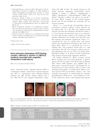 11 citations
,
September 2011 in “British Journal of Dermatology”
11 citations
,
September 2011 in “British Journal of Dermatology” New ABCA12 gene mutations were linked to a skin condition with scaling and hair loss, and a treatment helped with hair loss in a related case.
July 2024 in “Journal of Investigative Dermatology” The Fas/FasL pathway may play a role in alopecia areata.
 August 2023 in “Sabuncuoglu Serefeddin Health Sciences”
 This study investigated genetic markers for alopecia areata in the Turkish population, finding that the CT60 polymorphism might be linked to increased susceptibility, while no such association was found for the +49AG polymorphism; further studies are needed to confirm these findings.
 29 citations
,
January 2016 in “Annals of dermatology/Annals of Dermatology”
29 citations
,
January 2016 in “Annals of dermatology/Annals of Dermatology” This study found that arachidonic acid may promote hair growth by enhancing dermal papilla cell function and stimulating the anagen phase in C57BL/6 mice.
 19 citations
,
November 2018 in “Nutrients”
19 citations
,
November 2018 in “Nutrients” This study reports that polyphenols from Annurca apples may safely promote hair growth and protect against chemotherapy-induced alopecia without interfering with chemotherapy regimens.
21 citations
,
February 2024 in “JAMA Dermatology” This study identified multiple factors affecting the severity of alopecia areata, suggesting they could inform a tool for measuring disease impact and guide treatment selection.
 57 citations
,
July 2016 in “The Journal of Sexual Medicine”
57 citations
,
July 2016 in “The Journal of Sexual Medicine” This study concluded that 5α-reductase inhibitors were linked to increased sexual dysfunction in men with benign prostatic hyperplasia, but not in men with androgenetic alopecia.
 2 citations
,
February 2004 in “Biopolymers”
2 citations
,
February 2004 in “Biopolymers” This study found that 4-(4-Phenoxybenzoyl)benzoic acid derivatives may act as antioxidants by scavenging certain reactive oxygen species but exhibit prooxidant behavior under specific conditions.
September 2025 in “JID Innovations” This study suggests that macrophages, particularly CD206+ macrophages, play a crucial role in squaric acid dibutylester-induced hair growth in alopecia areata treatment.
This study concluded that the combination of all-trans-retinoic acid and tocopherol-α is not recommended for treating del(5q) myelodysplastic syndromes due to low efficacy and high incidence of adverse effects.
This study found that Avicennia marina extract and its active compound avicequinone C inhibit enzymes and receptors related to androgenic alopecia, potentially supporting hair growth in cultured dermal papilla cells.
This study found that a bioorthogonal microneedle patch delivering AAV-aFGF effectively improved hair follicle regeneration and sustained hair growth in murine alopecia models compared to other methods.
 April 2016 in “Journal of The American Academy of Dermatology”
 AGA patients have a lower quality of life than AA patients.