26 citations
,
June 1988 in “PubMed” This study found that 3 percent topical minoxidil solution was ineffective in treating severe chronic alopecia areata, as it did not produce cosmetically acceptable hair regrowth.
 19 citations
,
May 2017 in “Dermatologic Surgery”
19 citations
,
May 2017 in “Dermatologic Surgery” Combining platelet-rich plasma with 5% minoxidil solution improves hair regrowth in androgenetic alopecia patients.
 10 citations
,
May 2020 in “Journal of Dermatological Treatment”
10 citations
,
May 2020 in “Journal of Dermatological Treatment” This study found that combining microneedling with 5% minoxidil improved hair growth in Chinese men with androgenetic alopecia, possibly through activating the Wnt/β-catenin signaling pathway.
 21 citations
,
January 2017 in “Skin Pharmacology and Physiology”
21 citations
,
January 2017 in “Skin Pharmacology and Physiology” In this noninferiority study, researchers found that a 0.2% caffeine-based topical liquid was not less effective than 5% minoxidil solution in improving hair growth in men with androgenetic alopecia over six months.
 4 citations
,
January 2016 in “Acta dermatovenerologica Alpina, Pannonica et Adriatica (Tiskana izd.)”
4 citations
,
January 2016 in “Acta dermatovenerologica Alpina, Pannonica et Adriatica (Tiskana izd.)” This study evaluated the efficacy and safety of a 5% minoxidil topical foam without propylene glycol in men with androgenic alopecia.
 August 2019 in “Journal of The American Academy of Dermatology”
 This study found that a bleach bath treatment with 0.005% HOCI reduced the expression of certain serine proteases in cultured keratinocytes and lowered skin pH in atopic dermatitis patients, potentially improving symptoms by modulating the NF-kB pathway.
 44 citations
,
October 1989 in “International Journal of Pharmaceutics”
44 citations
,
October 1989 in “International Journal of Pharmaceutics” This study found that topical minoxidil solutions showed the highest skin permeation at 3-4% concentrations, with crystallization occurring at a 5% concentration due to vehicle component evaporation.
 115 citations
,
November 1999 in “Journal of The American Academy of Dermatology”
115 citations
,
November 1999 in “Journal of The American Academy of Dermatology” In this study, men using 2% and 5% minoxidil solutions experienced a significant increase in hair weight for 96 weeks compared to placebo, with effects diminishing after treatment cessation.
 14 citations
,
August 2019 in “Journal of Dermatological Treatment”
14 citations
,
August 2019 in “Journal of Dermatological Treatment” This study found that 5% topical minoxidil was moderately more effective at increasing hair regrowth than 10% minoxidil and placebo in men with androgenetic alopecia.
 7 citations
,
July 2022 in “Pharmaceuticals”
7 citations
,
July 2022 in “Pharmaceuticals” This study reports that pumpkin seed oil-loaded niosomes significantly decreased hair loss and increased hair growth indicators in vivo, suggesting potential as a natural anti-hair loss therapy.
 October 2024 in “Iraqi postgraduate medical journal”
 This study conducted at Baghdad Teaching Hospital found that topical applications of Ciprofloxacin and Clindamycin effectively reduced acne severity indices in patients with mild to moderate acne vulgaris over 12 weeks, with Ciprofloxacin showing a greater reduction in papules and pustules compared to Clindamycin.
 57 citations
,
August 2003 in “British Journal of Dermatology”
57 citations
,
August 2003 in “British Journal of Dermatology” This study found that daily use of 1% pyrithione zinc shampoo modestly improved hair growth over 26 weeks, although these effects were less than those of 5% minoxidil.
 March 2023 in “International Journal of Trichology”
 This study found that a combination of topical 5% minoxidil and 0.25% finasteride was more effective at improving hair density and satisfaction in men with androgenetic alopecia than either treatment alone over 24 weeks.
 3 citations
,
January 2017 in “Evidence-based complementary and alternative medicine”
3 citations
,
January 2017 in “Evidence-based complementary and alternative medicine” This study found that Galla chinensis solution significantly improved skin lesions and fungal eradication in dermatophytosis-infected dogs, showing over 85% efficacy in fungal removal after 14 days and outperforming the positive control treatment.
 53 citations
,
March 1987 in “Journal of The American Academy of Dermatology”
53 citations
,
March 1987 in “Journal of The American Academy of Dermatology” Minoxidil effectively regrows hair in male pattern baldness.
 September 2023 in “Cureus”
 This study reviewed early research on topical finasteride for androgenetic alopecia, finding it appears safe and promising, though further investigation is needed to determine optimal dosing, frequency, and potential applications for other types of alopecia.
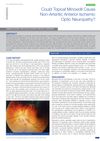 6 citations
,
January 2016 in “Journal of Clinical and Diagnostic Research”
6 citations
,
January 2016 in “Journal of Clinical and Diagnostic Research” This case report describes a non-arteritic anterior ischemic optic neuropathy that resolved after discontinuing topical 5% minoxidil treatment.
 January 2008 in “Dermatology Online Journal”
 This review explores potential treatments for female androgenetic alopecia, noting that anti-hormonal therapies may be beneficial for some women, but emphasizes the need for further research and effective solutions.
 67 citations
,
March 1987 in “Journal of The American Academy of Dermatology”
67 citations
,
March 1987 in “Journal of The American Academy of Dermatology” This study found that both 2% and 3% minoxidil resulted in a significant increase in hair counts for participants with androgenetic alopecia over 12 months.
 1 citations
,
July 2017 in “Global journal of pharmacy & pharmaceutical sciences”
1 citations
,
July 2017 in “Global journal of pharmacy & pharmaceutical sciences” The study explored niosome formulations containing minoxidil and tretinoin and found increased drug stability and controlled release, suggesting potential as an effective drug delivery system for treating hair loss.
 July 1988 in “Journal of The American Academy of Dermatology”
 This article reviews therapeutic advances published between December 1986 and December 1987 but reports no new research findings; readers are advised to consult the original articles before considering new therapies.
 370 citations
,
September 1999 in “The New England Journal of Medicine”
370 citations
,
September 1999 in “The New England Journal of Medicine” This article discusses the treatment of androgenetic alopecia and alopecia areata with finasteride and minoxidil but reports no new clinical results.
 142 citations
,
August 2007 in “Journal of The American Academy of Dermatology”
142 citations
,
August 2007 in “Journal of The American Academy of Dermatology” This study found that a new 5% minoxidil foam formulation significantly increased hair counts and improved hair loss condition in men with androgenetic alopecia over 16 weeks compared to placebo.
 269 citations
,
August 2002 in “Journal of The American Academy of Dermatology”
269 citations
,
August 2002 in “Journal of The American Academy of Dermatology” This study found that 5% topical minoxidil significantly increased hair regrowth and improved psychosocial perceptions of hair loss in men with androgenetic alopecia compared to 2% topical minoxidil and placebo over 48 weeks.
 41 citations
,
November 1993 in “Journal of The American Academy of Dermatology”
41 citations
,
November 1993 in “Journal of The American Academy of Dermatology” This study found that DPCP treatment led to cosmetically acceptable hair regrowth in 38% of patients with chronic severe alopecia areata, while adding 5% minoxidil showed no significant clinical benefit.
 26 citations
,
July 2003 in “Journal of Cutaneous Medicine and Surgery”
26 citations
,
July 2003 in “Journal of Cutaneous Medicine and Surgery” This study found that topical minoxidil solution is a safe treatment for androgenetic alopecia, with no increase in cardiovascular events or adverse pregnancy outcomes observed.
 13 citations
,
January 2016 in “Journal of the Egyptian Women's Dermatologic Society (Print)”
13 citations
,
January 2016 in “Journal of the Egyptian Women's Dermatologic Society (Print)” This abstract discusses platelet-rich plasma therapy for patterned hair loss but provides no new clinical results, suggesting further research is needed to determine its effectiveness.
 43 citations
,
July 2018 in “Journal of The European Academy of Dermatology and Venereology”
43 citations
,
July 2018 in “Journal of The European Academy of Dermatology and Venereology” This study found that a topical solution combining 0.25% finasteride with 3% minoxidil significantly improved hair growth, as measured by hair density, diameter, and global assessment, in men with androgenetic alopecia, compared to 3% minoxidil alone, over 24 weeks without systemic adverse effects reported.
 April 2024 in “Journal of dermatology research reviews & reports”
 This clinical trial found that combining 678 nm helmet-type low-level laser therapy with topical minoxidil 5% significantly increased hair density and patient satisfaction in men with androgenetic alopecia, compared to using minoxidil alone. Both treatments were well tolerated.
 July 2024 in “Forum Dermatologicum”
 This review evaluates various topical treatments for androgenetic alopecia but does not provide new clinical findings, emphasizing the need for selecting therapies with limited systemic side effects.