1 citations
,
October 2024 in “QJM” This study compared the long-term efficacy and safety of biologics targeting TNF alpha and IL-12/23 in moderate to severe psoriasis, finding that IL-12/23 inhibitors were more effective at achieving a PASI 75 response, while both treatments showed a similar risk of serious infection and malignancy.
This study found that in men with androgenetic alopecia, nitric oxide synthase protein expression was significantly higher at androgenetic sites compared to non-androgenetic sites or those of healthy controls, suggesting a possible role in hair follicle regulation.

This study found that sulfotransferase enzyme levels significantly impact the effectiveness of minoxidil in treating androgenetic alopecia, suggesting that testing for this enzyme could help identify potential responders before treatment.
4 citations
,
October 2020 in “The journal of investigative dermatology. Symposium proceedings/The Journal of investigative dermatology symposium proceedings” This study suggests that IL-4 and IL-13 may play a role in the immunopathogenesis of alopecia areata in some patients, indicating a possible Th2-driven pathway in this condition.
 11 citations
,
August 2007 in “Bioorganic & Medicinal Chemistry Letters”
11 citations
,
August 2007 in “Bioorganic & Medicinal Chemistry Letters” This study found that among the tested analogs, compound 4e was the most effective in inhibiting wax esters in vivo in the Golden Syrian hamster ear model.
 11 citations
,
December 1987 in “Aesthetic Plastic Surgery”
11 citations
,
December 1987 in “Aesthetic Plastic Surgery” This article discusses the role of suction-assisted lipectomy (SAL) and the hCG method in obesity management, highlighting the speculative benefits of hCG but reporting no new clinical findings.
 11 citations
,
March 2009 in “Bioorganic & Medicinal Chemistry Letters”
11 citations
,
March 2009 in “Bioorganic & Medicinal Chemistry Letters” This study reports that 4-(alkylthio)- and 4-(arylthio)-benzonitriles showed moderate sebum reduction as androgen receptor antagonists when applied topically in a validated animal model.
 2 citations
,
June 2022 in “Journal of Applied Pharmaceutical Science”
2 citations
,
June 2022 in “Journal of Applied Pharmaceutical Science” This review discusses the pharmacological properties of 4-0-methylhonokiol from Magnolia species and reports no new experimental results, highlighting potential areas for future research.
 November 2025 in “Y HOC TP HO CHI MINH”
 This study from Ho Chi Minh City Dermatology Hospital reported that patients with androgenetic alopecia had a significantly higher prevalence of metabolic syndrome (38.7%) compared to the general population (12.9%), with a longer duration or severity of hair loss increasing their risk.
 March 2024 in “The journal of sexual medicine”
 This case study observed that in four middle-aged men with ejaculation disorders, therapy with human chorionic gonadotropin (hCG) alone or combined with recombinant follicle-stimulating hormone (rFSH) improved sexual desire, semen volume, and various other symptoms, although some experienced elevated estradiol levels and hair loss.
 July 2003 in “Journal of Cutaneous Medicine and Surgery”
 High blood pressure drugs often cause skin lupus, stopping the drug usually helps. A vaccine helps prevent genital herpes and HPV-16. More frequent light therapy clears psoriasis faster. No link was found between low iron and chronic hair loss.
 74 citations
,
January 2006 in “The journal of investigative dermatology/Journal of investigative dermatology”
74 citations
,
January 2006 in “The journal of investigative dermatology/Journal of investigative dermatology” This study identified novel compound heterozygous mutations in the DSG4 gene in a Japanese patient with congenital hypotrichosis, suggesting overlap between localized autosomal recessive hypotrichosis and monilethrix.
 28 citations
,
October 2004 in “Differentiation”
28 citations
,
October 2004 in “Differentiation” This study identified a large deletion in the desmoglein 4 gene as the genetic basis of the Iffa Credo "hairless" rat's skin phenotype, linking it to lanceolate hair mutations.
 10 citations
,
December 2019 in “in Vivo”
10 citations
,
December 2019 in “in Vivo” This study found that administering testosterone to ovariectomized female rats decreased endometrial tight junction complexity and expression of specific proteins, potentially affecting embryo implantation.
 4 citations
,
January 1998 in “Heterocycles”
4 citations
,
January 1998 in “Heterocycles” Researchers made two new compounds that could be used for medicine.
 August 2024 in “Qucosa (Saxon State and University Library Dresden)”
 In this study on mice, researchers observed that dermal white adipose tissue (dWAT) plays a key role in regulating skin inflammation and tissue repair; however, reduced expression of certain cytokines in obese mice may hinder these processes, indicating potential metabolic disruptions in dWAT during inflammation.
 January 2019 in “Przegląd Dermatologiczny”
 This report presents a case of a 57-year-old woman with APS-4, generalized alopecia, and rheumatoid arthritis, emphasizing the need to screen for other autoimmune disorders in patients with a single organ-specific autoimmune disease.
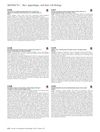 April 2018 in “Journal of Investigative Dermatology”
 The researchers reported that nicotinic acid normalized excessive sebaceous lipogenesis without affecting basal lipogenesis and suggested potential anti-acne benefits.
 111 citations
,
August 2002 in “Journal of Medicinal Chemistry”
111 citations
,
August 2002 in “Journal of Medicinal Chemistry” This study reports that 2-(1-Adamantyl)-4H-thiochromen-4-on-6-O-sulfamate is the most potent steroid sulfatase inhibitor identified so far, exhibiting 170-fold higher activity than the lead compound estrone sulfamate.
 52 citations
,
October 2010 in “Antiviral Therapy”
52 citations
,
October 2010 in “Antiviral Therapy” This review discusses recent advances in monophosphate prodrug strategies for HCV drug discovery, aiming to enhance oral absorption and stability, and reports no new clinical results.
 26 citations
,
May 2012 in “Cellular and Molecular Life Sciences”
26 citations
,
May 2012 in “Cellular and Molecular Life Sciences” This review discusses the structure, expression, regulation, and potential roles of NcoA4 in cancer and other pathologies, reporting no new experimental findings.
 22 citations
,
January 2017 in “Dermatology”
22 citations
,
January 2017 in “Dermatology” In this retrospective study, spironolactone improved acne in 86% of patients while showing minimal side effects, suggesting it as a safe treatment option for postadolescent acne with a low risk of short-term adverse effects like hyperkalemia.
 22 citations
,
February 2008 in “Journal of Neurochemistry”
22 citations
,
February 2008 in “Journal of Neurochemistry” This study found that minoxidil prevents long-term serotonergic toxicity induced by MDMA in rats, primarily by opening mitochondrial KATP channels and involving Akt and MAP kinases in its neuroprotective mechanism.
 19 citations
,
March 2017 in “Scientific Reports”
19 citations
,
March 2017 in “Scientific Reports” This study suggests that the protease HAT-L4 plays a significant role in maintaining epidermal barrier function to prevent body fluid loss, as its absence in mice led to increased fluid loss and higher mortality.
 17 citations
,
August 2015 in “Journal of steroid biochemistry and molecular biology/The Journal of steroid biochemistry and molecular biology”
17 citations
,
August 2015 in “Journal of steroid biochemistry and molecular biology/The Journal of steroid biochemistry and molecular biology” This study concluded that the best approach for detecting Androsta-1,4,6-triene-3,17-dione administration in horses is monitoring the metabolites M1b or M4 in urine, detectable up to 77 hours post-administration.
 10 citations
,
January 2008 in “Biological and Pharmaceutical Bulletin”
10 citations
,
January 2008 in “Biological and Pharmaceutical Bulletin” This study found that trans-3,4'-Dimethyl-3-hydroxyflavanone reduces active TGF-beta2 levels in human keratinocytes, suggesting it may enhance hair growth by suppressing the TGF-beta2 activation pathway.
![Discovery of 7-Methoxy-6-[4-(4-Methyl-1,3-Thiazol-2-yl)-1H-Imidazol-5-yl]-1,3-Benzothiazole (TASP0382088): A Potent and Selective Transforming Growth Factor-β Type I Receptor Inhibitor as a Topical Drug for Alopecia](/images/assets/9620bd26-3366-4f2a-bcac-f511697bbc41/small/35997.jpg) 6 citations
,
January 2013 in “Chemical & pharmaceutical bulletin/Chemical and pharmaceutical bulletin”
6 citations
,
January 2013 in “Chemical & pharmaceutical bulletin/Chemical and pharmaceutical bulletin” In this study, TASP0382088 showed potent selective inhibition of the ALK5 receptor, significantly reducing Smad2 phosphorylation in mouse skin following topical application.
 6 citations
,
July 2007 in “Organic Process Research & Development”
6 citations
,
July 2007 in “Organic Process Research & Development” This study optimized the reaction conditions for the stereoselective hydrogenation of a compound used in manufacturing finasteride and dutasteride, improving the selectivity for the desired isomer.
This study found that among female patients, those who consumed sweetened tea drinks more frequently had a higher risk of androgenetic alopecia, with the impact notably mediated by late bedtimes rather than by sugar intake from these drinks.
 March 2021 in “bioRxiv (Cold Spring Harbor Laboratory)”
 This study found that the absence of Hif-p4h-2 in specific mouse skin cells disrupted hair follicle development, leading to hair loss due to irregular keratin formation and pathway signaling.