January 2023 in “Faculty of 1000 Research Ltd” Aloe vera extract helps heal burn wounds faster in rats.
This study illustrates that low-dose oral minoxidil shows clinically notable hair regrowth, particularly at the crown in male patients, with differing efficacy from bitemporal sites; images document regrowth in a male and a female patient.
 October 2007 in “Journal of Investigative Dermatology”
 The meeting highlighted the genetic basis of female pattern hair loss and various skin health insights.
6 citations
,
July 2018 in “Steroids” This study found that testosterone significantly influenced the expression and function of certain ion transporters in the vas deferens, impacting fluid secretion and contributing to a suitable environment for male fertility.
January 2017 in “한국약용작물학회지” This study suggests that 70% ethanol extracts from certain medicinal plants may promote hair growth and be useful for developing hair care products.
24 citations
,
July 2015 in “International Journal of Molecular Sciences” In this study, fluoxetine was found to decrease proliferation and adipogenic differentiation of human adipose-derived stem cells, suggesting it may reduce fat accumulation by increasing autophagy-related gene expression.
 2 citations
,
April 2017 in “Molecular Medicine Reports”
2 citations
,
April 2017 in “Molecular Medicine Reports” In this study, blocking autophagy with 3-methyladenine significantly improved the survival of inner ear hair cells in a gentamicin-induced ototoxic mouse model.
November 2025 in “Transfusion Medicine and Hemotherapy” This study found that platelet-rich plasma therapy significantly promoted hair growth in androgenetic alopecia model mice by enhancing autophagy, with effects similar to rapamycin treatment.
 March 2025 in “Advanced Materials”
 This study developed a novel hydrogel dressing, QL@MAB, which facilitates accelerated healing of infected diabetic wounds in rats by offering prolonged drug release, water retention, and adaptive drug delivery in response to high glucose levels in the wound environment.
45 citations
,
November 2022 in “Acta Biomaterialia” This study developed a biomimetic 3-D co-culture system that enhances the hair-inductive properties of human dermal papilla cell aggregates, potentially improving hair follicle tissue engineering.
 4 citations
,
January 1998 in “Heterocycles”
4 citations
,
January 1998 in “Heterocycles” Researchers made two new compounds that could be used for medicine.
 February 2025 in “Clinical Cosmetic and Investigational Dermatology”
 This study used Mendelian randomization to explore associations between 1400 blood metabolites and female-pattern hair loss, finding 23 metabolites and 4 metabolic ratios linked to the condition, while identifying fructose/mannose metabolism as a significant pathway.
 130 citations
,
November 2017 in “Frontiers in Immunology”
130 citations
,
November 2017 in “Frontiers in Immunology” This review explores recent findings on regulatory T cells, focusing on their unique functions in non-lymphoid tissues and new mechanisms of action, but presents no original clinical results.
23 citations
,
July 2020 in “Aging Cell” In this study, researchers found that glycan profiles in epidermal stem cells differed between young and old mice, suggesting these changes may serve as molecular markers for aging.
 October 2025 in “Scientific Reports”
 This study found that the extracts of Serenoa repens, when evaluated through chemical, biological, and in silico methods, demonstrated anti-inflammatory, pro-apoptotic, and anti-androgenic activities against prostate cancer cell lines, suggesting potential therapeutic benefits and directing future pharmaceutical development.
 77 citations
,
June 2006 in “Best Practice & Research Clinical Endocrinology & Metabolism”
77 citations
,
June 2006 in “Best Practice & Research Clinical Endocrinology & Metabolism” This review discusses the importance of androgen production and metabolism in hyperandrogenism, the use of specific serum markers for diagnosis, and the need for improved assays for clinical testing, but reports no new results.
 13 citations
,
September 2021 in “Current Issues in Molecular Biology”
13 citations
,
September 2021 in “Current Issues in Molecular Biology” This study suggests that D-panthenol may promote hair growth by enhancing cell viability, suppressing apoptosis markers, and elongating the anagen phase in human hair follicle cells.
 6 citations
,
August 2015 in “Journal of Molecular Histology”
6 citations
,
August 2015 in “Journal of Molecular Histology” Caspase-7 has functions in skin and hair that are not related to cell death.
 4 citations
,
December 2023 in “Advanced science”
4 citations
,
December 2023 in “Advanced science” This study found that injectable gelatin/metal/tea polyphenol double nanonetworks significantly accelerated wound healing in diabetic wounds by enhancing cell migration and providing anti-inflammatory and antioxidant properties, without detectable cytotoxicity in tests.
 December 2023 in “Indian Journal of Canine Practice”
 In this case report, a 3-year-old beagle with recurrent skin lesions and alopecia due to a methicillin-resistant Staphylococcus aureus infection showed significant improvement within 10 days and complete resolution after a 28-day treatment with oral linezolid, alongside fungal infection management.
60 citations
,
December 1988 in “Journal of Biochemical Toxicology” In this study, TCDD administered to male rats down-regulated EGF receptor in liver plasma membranes and increased protein kinase activity, suggesting EGF receptor–mediated toxicological effects.
56 citations
,
November 2012 in “Endocrinology” This study found that the absence of vitamin D receptor signaling in mice impairs the inflammatory response to skin injury, particularly affecting macrophage recruitment and granulation tissue formation.
38 citations
,
September 1997 in “The journal of investigative dermatology/Journal of investigative dermatology” This study identified histologic lesions and a defect in adhesion molecules causing hair loss in mice with the bal mutation, linked to a mutation in the desmoglein 3 gene.
31 citations
,
August 2001 in “PubMed” This review discusses the role of androgen metabolism in hair follicles and its potential impact on future treatments for androgenetic alopecia, but reports no clinical results.
22 citations
,
November 2008 in “The journal of investigative dermatology/Journal of investigative dermatology” This study observed that cathepsin L and transglutaminase 3 colocalize in the human hair bulb and nail matrix, suggesting their involvement in terminal differentiation within these epidermal appendages.
19 citations
,
February 2022 in “Journal of Investigative Dermatology” Mechanical stretching can improve or hinder skin regeneration depending on duration.
 19 citations
,
February 2017 in “Journal of radiation research”
19 citations
,
February 2017 in “Journal of radiation research” This study found that high-dose radiation can induce accelerated cellular senescence, inflammation, and loss of epithelial stem cells in mouse and human skin, contributing to radiation dermatitis.
13 citations
,
June 2014 in “Molecular therapy” This study found that a lentiviral array of reporters can identify lineage-specific promoters and pathways in mesenchymal stem cell differentiation, aiding in the prediction of signaling pathway effects.
6 citations
,
July 2020 in “The Kaohsiung Journal of Medical Sciences” This study observed that radiation exposure in male rats activated hepatic stellate cells and the PI3K/Akt signaling pathway, mediated by TGF-β1, contributing to liver injury, while the use of a signaling pathway inhibitor reduced these effects.
 6 citations
,
July 2007 in “Organic Process Research & Development”
6 citations
,
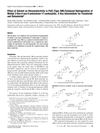
July 2007 in “Organic Process Research & Development” This study optimized the reaction conditions for the stereoselective hydrogenation of a compound used in manufacturing finasteride and dutasteride, improving the selectivity for the desired isomer.