33 citations
,
May 2017 in “Journal of Clinical Oncology” This phase I study reported that ETC-159, targeting Wnt signalling, showed tolerable safety profiles at doses that inhibit its pathway, though bone turnover markers increased, warranting early and regular monitoring. No tumor responses were observed, but two patients achieved stable disease for several cycles.
 28 citations
,
May 2018 in “Scientific reports”
28 citations
,
May 2018 in “Scientific reports” This study found that exercise decreases the expression of 5αR1, thereby enhancing the PI3K/AKT signaling pathway in PCOS rats.
 22 citations
,
August 2011 in “Journal of Supercritical Fluids”
22 citations
,
August 2011 in “Journal of Supercritical Fluids” In this study, fraction No. 3 of Oryza sativa bran extract demonstrated high unsaturated fatty acid content and significant 5α-reductase inhibition, suggesting potential for developing anti-androgenic alopecia products.
 18 citations
,
October 2017 in “Drug Design Development and Therapy”
18 citations
,
October 2017 in “Drug Design Development and Therapy” The study found that finasteride increased endoplasmic reticulum stress and reduced fertility in rats, effects that were alleviated by the administration of DA-9401.
 11 citations
,
March 2010 in “International Journal of Andrology”
11 citations
,
March 2010 in “International Journal of Andrology” This article reviews multiple entries on the Androlog blog regarding finasteride use, concluding that a 1-mg dose does not adversely affect spermatogenesis or pose a risk during conception or pregnancy.
 6 citations
,
April 2004 in “Dermatologic Surgery”
6 citations
,
April 2004 in “Dermatologic Surgery” This study found that 32% of men continued finasteride use for 1 to 3 years, with many reporting poor hair growth results.
5 citations
,
August 1999 in “Archives of Dermatology” 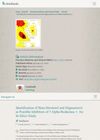 3 citations
,
January 2022 in “Precision medicine and clinical omics”
3 citations
,
January 2022 in “Precision medicine and clinical omics” This study reports that using molecular docking methods, beta-sitosterol and stigmasterol from Serenoa repens were identified as potential natural inhibitors of the 5AR1 enzyme, which could serve as novel treatments for androgenetic alopecia based on their inhibitory action observed in a laboratory setting.
3 citations
,
January 2022 in “Journal of The American Academy of Dermatology” This study found that 1 mg/day low-dose oral minoxidil significantly increased hair count compared to 0.25 mg/day over 24 weeks in women with female pattern hair loss, though no differences were observed in hair-shedding and quality-of-life scores between the two doses.
 2 citations
,
January 2021 in “Case reports in endocrinology”
2 citations
,
January 2021 in “Case reports in endocrinology” In this case report, a girl with autoimmune polyglandular syndrome type 1 experienced stabilized disease and reversal of alopecia universalis after treatment with glucocorticoids and methotrexate.
1 citations
,
December 2025 in “International Journal of Molecular Sciences” This study reported that atelocollagen enhances collagen synthesis and reduces oxidative stress in aged skin by increasing glycine uptake through GlyT1, resulting in improved skin elasticity and collagen density in aged mice, with effects superior to glycine alone.
 1 citations
,
August 2023 in “Biomolecules & therapeutics”
1 citations
,
August 2023 in “Biomolecules & therapeutics” In this study, researchers found that recombinant human HAPLN1 promoted hair growth in mice and human hair matrix cells by activating specific signaling pathways, suggesting it may offer a potential hair loss treatment with fewer side effects than existing medications.
June 2026 in “The Journal of Sexual Medicine” This study determined that men taking finasteride 1 mg/day exhibited significantly reduced sperm production and morphology compared to controls, although there were no notable changes in hormonal, sexual, or psychological function.
April 2026 in “The Journal of Urology” This study found that men taking 1 mg/day of finasteride had significantly reduced sperm production and morphology but similar hormonal, sexual, and psychological profiles compared to controls, suggesting finasteride affects semen quality without altering other physiological functions.
February 2026 in “European Urology” February 2026 in “Journal of Dermatological Treatment” This research describes CG2001's promising safety profile and reduced systemic exposure as an alternative to finasteride, supporting its further development for androgenic alopecia treatment in future trials.
 December 2024 in “European Journal of Dermatology”
 In this study, oral minoxidil treatment at 2.5 mg/day significantly increased nail growth speed by 50.7% and hair growth speed by 35.9% in healthy adult men, while also increasing heart rate but not affecting blood pressure.
September 2024 in “Clinical Case Reports” This case report highlights a rare presentation of APS-1 in a 28-year-old Pakistani male with cardiovascular and pulmonary symptoms, illustrating the importance of early recognition and multidisciplinary management for improved patient outcomes.
October 2017 in “DOAJ (DOAJ: Directory of Open Access Journals)” This study found that finasteride induced infertility and increased endoplasmic reticulum stress in rats, but these effects were mitigated by DA-9401 administration.
January 2017 in “Faculty of 1000 Research Ltd” Oral minoxidil effectively reduces hair shedding in women with chronic telogen effluvium.
January 2017 in “Faculty of 1000 Research Ltd” Oral minoxidil significantly reduces hair shedding in women with chronic telogen effluvium.
December 2015 in “OPAL (Open@LaTrobe) (La Trobe University)” This study found that minoxidil sulfate enhanced hair growth in CRF-OE mice, with increased hair growth scores observed at 2 and 4 weeks after treatment.
 March 2014 in “Journal of The American Academy of Dermatology”
 The new topical product combined with finasteride significantly increased hair thickness without side effects.
 May 2004 in “Dermatologic Surgery”
 In this study, 32% of men continued taking finasteride for androgenetic alopecia after 1 to 3 years, but only a small percentage reported hair growth.
 June 2018 in “The Journal of Sexual Medicine”
 In this study, finasteride was found to significantly reduce DHT levels and affect spermatogenic markers in rats, while DA-9401 co-treatment indicated potential ameliorative effects.
 19 citations
,
September 2016 in “Pharmacotherapy”
19 citations
,
September 2016 in “Pharmacotherapy” This study found that the risk of persistent sexual dysfunction was higher in men who stopped using finasteride 1 mg compared to omeprazole users.
 3 citations
,
January 2015 in “Journal of drug assessment”
3 citations
,
January 2015 in “Journal of drug assessment” This study found that five 0.1 mg dutasteride capsules are bioequivalent to one 0.5 mg dutasteride capsule in healthy adult males under fasting conditions, and both were well tolerated.
 January 2017 in “Scripta Scientifica Vox Studentium”
 This review discusses the sexual side effects of long-term finasteride usage in men, noting varied reports of sexual dysfunction which typically improve over time; it presents no new experimental data.
May 2016 in “Hair transplant forum international” This article discusses a critique of a lecture on post-Finasteride syndrome from the ISHRS 2015 World Congress and does not report new research findings.
 44 citations
,
July 2011 in “Dermatologic Therapy”
44 citations
,
July 2011 in “Dermatologic Therapy” This study found that finasteride 1 mg was effective in improving androgenetic alopecia over 10 years in men, particularly those older than 30, with some reporting beneficial results even after 5 years.