January 2011 in “Zhonghua zhongyiyao xuekan” This study found that Yiqi Huayu Chinese medicine may inhibit benign prostatic hyperplasia in rats by reducing MMP-2 levels and vessel renewal, with effects comparable to finasteride.
 17 citations
,
January 2019 in “Journal of cancer”
17 citations
,
January 2019 in “Journal of cancer” This study found that the medicinal formula YH0618 may reduce toxicity from the chemotherapy drug doxorubicin, improving side effects like hair loss and organ damage, while maintaining its anti-cancer effects.
 4 citations
,
April 2021 in “Experimental Dermatology”
4 citations
,
April 2021 in “Experimental Dermatology” This study shares preliminary findings that roxithromycin treatment tendentially increased hair shaft production and altered the hair follicle microbiota in human hair ex vivo, with substantial inter-individual differences observed.
August 2025 in “Nanomaterials” This study found that tea polyphenol–zinc significantly improved intestinal barrier function and reduced liver inflammation and oxidative stress in mice with diquat-induced damage.
This study found that Xiaochuang Drink significantly reduced the sebaceous gland and hair follicle diameter in a rabbit ear acne model and was determined to be safe at clinical doses.
 1 citations
,
October 2018 in “Infectious diseases in clinical practice”
1 citations
,
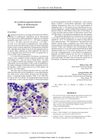
October 2018 in “Infectious diseases in clinical practice” This case report documents what may be the second reported instance of azithromycin-induced agranulocytosis, highlighted by a sudden drop to zero in absolute neutrophil count in a 67-year-old man.
2 citations
,
March 2013 in “BMJ Case Reports” In this case study, zinc deficiency persisted despite supplementation in a patient with severe malnutrition and empyema, potentially due to nutrient absorption competition and proton pump inhibitor use.
 May 2026 in “Frontiers in Medicine”
 This study concluded that combining the Shumin treatment instrument with oral doxycycline provides better clinical outcomes for rosacea than combining red light therapy with doxycycline, while both regimens improved quality-of-life scores and reduced Demodex counts.
![Patent Evaluation: Hexahydrobenzo[f]quinolines as 5α-Reductase Inhibitors](/images/assets/1634373b-f615-46c7-a157-21394e3366be/small/21095.jpg) June 1993 in “Current opinion in therapeutic patents”
June 1993 in “Current opinion in therapeutic patents” This study reports that novel hexahydrobenzoquinolin compounds fully inhibited 5α-reductase activity in human genital skin fibroblasts, suggesting their potential for treating conditions like benign prostatic hyperplasia and male pattern baldness.
 8 citations
,
September 2022 in “Biointerface Research in Applied Chemistry”
8 citations
,
September 2022 in “Biointerface Research in Applied Chemistry” This review examines the pharmacological potential of quinoline alkaloids from Cinchona bark for developing new drugs and cosmetics but reports no new findings.
 9 citations
,
August 2014 in “Journal of The Korean Society of Food Science and Nutrition”
9 citations
,
August 2014 in “Journal of The Korean Society of Food Science and Nutrition” This study found that Zizyphus jujuba, especially when fermented with Saccharomyces cerevisiae, showed strong antioxidative activity and effectively promoted hair regrowth and prevented hair loss in a mouse model.
December 2024 in “Applied Functional Materials” This study reported that a scalp serum containing Zanthoxylum ailanthoides extract effectively reduced inflammation and increased melanin production in cell assays, while demonstrating stable formulation and microbial safety, suggesting its potential to address scalp issues and enhance scalp health.
 44 citations
,
March 2016 in “Frontiers in cellular neuroscience”
44 citations
,
March 2016 in “Frontiers in cellular neuroscience” In this study using zebrafish, four bisbenzylisoquinoline derivatives were found to protect hair cells from aminoglycoside-induced damage without reducing antibiotic efficacy, potentially leading to therapies for patients undergoing such treatments.
This study identified ISX9 as a novel agonist of the Wnt/β‐catenin pathway, which promoted hair regrowth in mice and may offer a therapeutic approach for alopecia.
17 citations
,
May 2019 in “Journal of International Medical Research” In this study, the use of Xiaoaiping alongside routine chemotherapy improved side effects such as alopecia, nausea and vomiting, diarrhea, and enhanced quality of life in breast cancer patients compared to chemotherapy alone.
January 2026 in “Advanced Science” This study found that gastrodin promotes the XIAP-DDRGK1 pathway in noise-exposed mice, reducing hearing loss by enhancing ER-phagy and cochlear cell survival.
May 2018 in “Digital ProScholar Media eBooks” This study evaluated the antimicrobial activity of a newly synthesized fluoroquinolone against Staphylococcus, Streptococcus, and Escherichia coli strains. The researchers compared results from the microdilution technique and agar disk diffusion method to EUCAST's recommended breakpoint values, building on promising in silico molecular docking tests.
January 2013 in “Acta Universitatis Traditionis Medicalis Sinensis Pharmacologiaeque Shanghai” This study found that Huoxue Bushen Mixture was effective in treating female pattern hair loss by improving symptom scores and altering serum hormone levels.
15 citations
,
July 2010 in “Journal of Allergy and Clinical Immunology” This study found that in mouse models, the novel NF-κB inhibitor DHMEQ improved symptoms of atopic dermatitis as effectively as tacrolimus or betamethasone.
![Benzo[c]quinolizin-3-ones: A Novel Class of Potent and Selective Nonsteroidal Inhibitors of Human Steroid 5α-Reductase 1](/images/assets/ff6e6cbe-cb9c-4d11-87ef-671d28ffd4fa/small/15506.jpg) 28 citations
,
September 2000 in “Journal of Medicinal Chemistry”
28 citations
,
September 2000 in “Journal of Medicinal Chemistry” This study identified novel compounds as selective inhibitors of the type 1 isoenzyme of 5α-reductase, displaying promising potential for treating DHT-dependent disorders such as acne and androgenic alopecia.
 11 citations
,
November 2020 in “bioRxiv (Cold Spring Harbor Laboratory)”
11 citations
,
November 2020 in “bioRxiv (Cold Spring Harbor Laboratory)” This study observed that early treatment with azithromycin and either nitazoxanide, ivermectin, or hydroxychloroquine in COVID-19 patients may reduce viral shedding, symptom duration, and respiratory complications compared to untreated patients.
 18 citations
,
August 2011 in “Clinical Drug Investigation”
18 citations
,
August 2011 in “Clinical Drug Investigation” This study found that a combination of low-dose isotretinoin and oral azithromycin pulse effectively treats severe acne with an acceptable side effect profile and relatively low relapse rates.
 1 citations
,
June 2023 in “Ethnobotany research and applications”
1 citations
,
June 2023 in “Ethnobotany research and applications” This review examined the medicinal properties of the Ziziphus plant species, highlighting their traditional use in treating various conditions and their bioactive compounds with potential anticancer, antimicrobial, and anti-diabetic effects. The authors concluded that Ziziphus species, particularly jujube, have promising pharmacological activities warranting further investigation.
6 citations
,
March 2023 in “Journal of Ethnopharmacology” In this mouse study, researchers found that the Jieduquyuziyin prescription may lessen lupus-like symptoms and atherosclerosis by inhibiting TLR9/MyD88 signaling and promoting cholesterol efflux.
November 2020 in “Food Science and Technology” Ziziphus jujube Mill extract can naturally protect corn from fungi.
 16 citations
,
November 2020 in “Research Square (Research Square)”
16 citations
,
November 2020 in “Research Square (Research Square)” In this study, early treatment with nitazoxanide, ivermectin, or hydroxychloroquine, combined with azithromycin, was associated with reduced hospitalizations, respiratory complications, and deaths in early-stage COVID-19 patients compared to untreated controls.
This paper introduces the clinical efficacy of a modified Renshen Yangrong Tang formula for treating viral hepatitis, insomnia, hair loss, and prolonged menstrual periods, emphasizing its application for qi and blood deficiency.
June 2025 in “Healthy-Mu Journal” The optimized Cinchonine gel effectively fights acne bacteria and is safe for twice-daily use.
 June 2026 in “Digital Commons - PCOM (Philadelphia College of Osteopathic Medicine)”
 This study observed that a 24-hour pre-treatment with MitoQ significantly protected H9c2 myoblasts from doxorubicin-induced damage while enhancing doxorubicin's effectiveness in prostate cancer cells, outperforming dexrazoxane's effects without compromising the anti-cancer efficacy.
9 citations
,
February 2021 in “Evidence-based Complementary and Alternative Medicine” This study reported that Longdan Xiegan decoction is more effective than conventional western medicine alone in treating eczema, but the evidence quality was generally low, highlighting the need for further studies.