September 2002 in “Oncology Times” This study presented at the ASCO Annual Meeting reported that the epidermal growth factor receptor antibody ABX-EGF showed preliminary efficacy in renal cell cancer patients, with tolerable side effects, while bortezomib demonstrated clinical benefit in a significant proportion of multiple myeloma patients.
 14 citations
,
August 2016 in “Journal of nanomedicine research”
14 citations
,
August 2016 in “Journal of nanomedicine research” This animal study found that biscuits fortified with zinc oxide nanoparticles improved growth, appetite, and hair growth in zinc-deficient rats more effectively than traditional zinc forms, without apparent toxicity.
This study found that PIXE microanalysis effectively detected and quantified trace element changes in hair shafts, revealing a marked decrease in copper after treatment for green hair syndrome.
November 2025 in “OPAL (Open@LaTrobe) (La Trobe University)” This study developed a new method using ultrahigh-power sonication and mass spectrometry to improve protein extraction from hair shafts, identifying 239 differentially expressed proteins related to fetal growth restriction, which were validated as potential noninvasive biomarkers for perinatal diagnostics.
 1 citations
,
August 2023 in “Composites Part B: Engineering”
1 citations
,
August 2023 in “Composites Part B: Engineering” In this study, researchers developed a composite electrospun wound dressing containing strontium zinc silicon bioceramics, which significantly activated hair follicle stem cells and promoted hair follicle and capillary regeneration in deep burn wounds, suggesting a promising approach for burn wound healing.
2 citations
,
June 2021 in “Bezmialem Science” This study found that using a centrifugation speed of 1800 rpm for 10 minutes is optimal for preparing platelet-rich plasma with PRPBAG®, yielding an eightfold increase in platelet concentration.
This study identified seven novel CYP17A1 inhibitor scaffolds as potential leads for treating polycystic ovary syndrome through an in silico approach, demonstrating favorable interactions, drug-like properties, and predicted bioactivities warranting further experimental validation.
 March 2026 in “Indian journal of veterinary and animal sciences research.”
 In this study, a five-year-old Labrador with pemphigus, characterized by erythematous lesions and confirmed through cytology, was successfully treated with a six-week regimen of oral immunosuppressive azathioprine and supportive medications, resulting in total recovery.
2 citations
,
May 2024 in “Nanomaterials” This study reports the synthesis of a hectorite/phenanthroline nanomaterial which acts as a potential fluorescent sensor for detecting Zn ions in water, offering a solution to the low solubility issue of traditional metal ion-detecting molecules.
This study found that the Piezo1 ion channel reduces the efficiency of keratinocyte migration, and its inhibition in mice accelerates wound healing.
 January 2016 in “대한피부과학회지”
 This case report describes two patients experiencing a bortezomib-induced skin eruption as multiple plaques on the trunk, with the lesions resolving spontaneously in about a week.
 September 2011 in “Hair transplant forum international”
 This article discusses the importance of design elements in zone planning for successful hair restoration, but does not present any new study findings.
 April 2026 in “Open MIND”
 This review article discusses the aesthetic impacts of GLP-1 medications like Ozempic (semaglutide), including "Ozempic Face," skin sagging, and loss of lean mass, and explores potential recovery methods such as biostimulators, HIFU, endolaser, and PRP.
 84 citations
,
December 2018 in “Genetics in Medicine”
84 citations
,
December 2018 in “Genetics in Medicine” This article reviews evidence- and consensus-based recommendations for using pegvaliase in adults with PKU and reports no new clinical results.
 April 2016 in “The journal of investigative dermatology/Journal of investigative dermatology”
 This study found that topical bortezomib increased cell proliferation in hair follicles and sebaceous glands in mice and may activate hair keratin gene expression through GATA-3 transcription factors.
October 2006 in “Urology” Combination therapy with Finasteride is more effective than alpha-blocker alone for BPH symptoms in small prostate volume.
 December 2008 in “Dermatologic Surgery”
 This study found that the novel powered FUE (P-FUE) technique reduced harvesting time and graft transection rates in hair restoration compared to manual FUE, with broader patient applicability.
9 citations
,
September 2010 in “Dermatologic therapy” This study found that combined therapy with cetirizine and topical steroids stabilized inflammation in most patients with lichen planus pilaris, though one patient experienced cardiac arrhythmia.
 138 citations
,
November 2015 in “Journal of Pharmacology and Experimental Therapeutics”
138 citations
,
November 2015 in “Journal of Pharmacology and Experimental Therapeutics” This review discusses the mechanisms associated with protoporphyrin IX in living cells and reports no clinical results; the authors emphasize its potential in cancer diagnosis and the risks of toxicity.
August 2016 in “Journal of Investigative Dermatology” In this ex vivo study, inhibiting Ezh2 with a small molecule slowed human hair growth by decreasing proliferation and increasing apoptosis in the outer root sheath.
 19 citations
,
February 2018 in “Nutrients”
19 citations
,
February 2018 in “Nutrients” This review discusses the relationship between zinc deficiency and skin disorders, emphasizing zinc transporters' roles, but it reports no new clinical results; the authors highlight potential benefits of regulating zinc levels via transporters.
 January 2023 in “Theranostics”
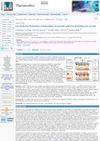
 This study reported that a curcumin-zinc microneedle patch improved hair regrowth and wound healing in animal models, suggesting potential as a versatile treatment for hair loss.

This review examines the potential of Parquetina nigrescens for managing Polyendocrine Metabolic Ovarian Syndrome, emphasizing its pharmacological activities and highlighting its promise as an affordable complementary therapy.

In this case study, a 51-year-old woman with acquired acrodermatitis enteropathica linked to nutritional zinc deficiency showed significant improvement in skin and hair symptoms one week after receiving zinc gluconate, topical applications, and supportive TPN therapy, highlighting the importance of early recognition and treatment.
October 2024 in “Developmental Dynamics” This paper highlights advances in Developmental Dynamics, noting how epoa-deficient zebrafish can model Diamond-Blackfan anemia like disorders for drug screening, Alx4 mouse models offer insights into craniofacial development, and mTORC1 signaling is crucial for retinal development.
October 2023 in “Research Square (Research Square)” This study developed a composite product from decellularized human placental connective tissue matrix and placental extract, finding that the combination showed improved biochemical and mechanical properties compared to each component alone, suggesting its potential use for treating chronic and deeper wounds.
May 1966 in “Zhurnal Tekhnicheskoi Fiziki (U.S.S.R.) For English translation see Sov. Phys. - Tech. Phys. (Engl. Transl.)” In this study, researchers found that progesterone promotes breast tumor growth in mice through its metabolite 5αP, which can be blocked by the 5α-reductase inhibitor finasteride.
 January 2025 in “The World Journal of Men s Health”
 In this study, autologous intratesticular PRP injection was found to be a feasible and well-tolerated procedure with low complication rates and quick recovery, but the authors indicated that current evidence is insufficient to confirm its effectiveness for mTESE.
 March 2024 in “Journal of cosmetic dermatology”
 This study found that platelet-rich plasma may be more effective and satisfactory than topical clobetasol for treating lichen planopilaris over six months.
May 1962 in “Zhurnal Fizicheskoi Khimii (U.S.S.R.) For English translation see Russ. J. Phys. Chem. (Engl. Transl.)” This review discusses the complex pathophysiology of polycystic ovary syndrome and reports no clinical trial results, emphasizing the need for better understanding to improve treatment options.