19 citations
,
April 2017 in “Synapse” This study suggests that the neurosteroid allopregnanolone contributes to stress resistance in mice, and the ALLO mimetic drug alfaxalone may offer anxiolytic benefits without muscle-relaxant effects.
2 citations
,
October 2025 in “Frontiers in Medicine” This study found that deuruxolitinib may effectively improve hair regrowth and patient satisfaction in moderate to severe alopecia areata, but careful monitoring is needed due to manageable side effects and concerns about long-term safety.
 2 citations
,
July 2017 in “Deleted Journal”
2 citations
,
July 2017 in “Deleted Journal” This review discusses the memory enhancing activity of the ethanolic extract of Eclipta alba and reports no new clinical results.
December 2015 in “PLOS ONE” This content contains no study findings or new results, instead referring only to statistical methods and figure captions.
3 citations
,
December 2018 in “Biomedical and pharmacology journal/Biomedical & pharmacology journal” This study found that compound 3 derived from aza-bicyclo-carboxylic acid may exert a cardioprotective effect by reducing infarction area in myocardial ischemia-reperfusion injury, potentially involving A1-adenosine receptor activation and changes in cAMP levels.
 1 citations
,
November 2023 in “BMC chemistry”
1 citations
,
November 2023 in “BMC chemistry” In this study, researchers used computational modeling and virtual screening to identify two FDA-approved drugs, Tadalafil and Finasteride, that may effectively inhibit key proteins involved in melanoma progression, suggesting potential for new therapeutic strategies against aggressive melanoma.
 16 citations
,
March 2009 in “Skin Pharmacology and Physiology”
16 citations
,
March 2009 in “Skin Pharmacology and Physiology” This study found that the penetration enhancer SEPA™ significantly increased both the speed and amount of hair growth from minoxidil in balding stumptail macaques compared to Rogaine®.
 June 2025 in “Deleted Journal”
 In this case report, two Persian cats with Lynxacarus radovskyi fur mites and symptoms like mild alopecia and pruritus fully recovered after receiving selamectin spot-on treatment monthly for three months.
 12 citations
,
June 2022 in “FARMACIA”
12 citations
,
June 2022 in “FARMACIA” This study found that a topical transethosomal system may enhance the skin penetration and deposition of naftifine compared to a marketed cream, potentially overcoming the stratum corneum barrier.
3 citations
,
November 2024 in “Viruses” This study found that cepharanthine significantly inhibits EqHV-8 infection in vitro and improves lung tissue pathology in infected mice by reducing oxidative stress through specific signaling pathways, suggesting its potential as a treatment for equid herpesvirus type 8.
 December 2022 in “Research Square (Research Square)”
 In this study, the researchers developed a quantum algorithm, QuantAnts machines, which identified complexes of CD9, CD34, and CD74 as potential targets for certain cancers involving the RAS pathway.

This research investigated the role of EphA1 in embryonic and adult tissues, generating mouse models suggesting potential links to skin and colon cancer, sepsis, and post-traumatic injury.
 25 citations
,
April 2014 in “Journal of Scientific and Innovative Research”
25 citations
,
April 2014 in “Journal of Scientific and Innovative Research” This study evaluated Tridax procumbens extracts for their in-vitro alpha amylase inhibitory activity compared to standard antidiabetic agents, suggesting potential benefits for diabetes management.
 13 citations
,
February 2007 in “British Journal of Dermatology”
13 citations
,
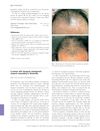
February 2007 in “British Journal of Dermatology” EF and PXE not closely related.
9 citations
,
June 2017 in “Pharmacological Reports” This study found that ATP-sensitive potassium channels may play a role in chloroquine-induced itching in mice, as channel openers reduced scratching behavior while a blocker reversed these effects.
 34 citations
,
February 1993 in “Journal of steroid biochemistry and molecular biology/The Journal of steroid biochemistry and molecular biology”
34 citations
,
February 1993 in “Journal of steroid biochemistry and molecular biology/The Journal of steroid biochemistry and molecular biology” This study found that 4-MA is a potent inhibitor of testosterone 5α-reductase in human tissues, promising potential for treating androgen-dependent skin conditions like male pattern baldness.
 January 2023 in “IntechOpen eBooks”
 This chapter reviews various synthetic methods for creating pharmacologically active diazines, particularly focusing on pyrimidines, and discusses their potential in clinical applications. It also examines novel synthetic strategies that improve the drug-like qualities and safety profiles of these compounds.
1 citations
,
January 2025 in “Regenerative Biomaterials” In this study, researchers found that exosomes derived from Pinctada martensii mucus can effectively inhibit melanin production in melanoma cells and zebrafish without adverse effects, potentially offering a promising therapeutic strategy for treating pigmentary disorders by modulating the NF-κB signaling pathway.

Flubendazole in a nanoemulsion can potentially treat lung cancer and cryptococcal meningitis effectively and safely.
2 citations
,
May 2023 in “The Journal of Immunology” This animal study observed that treatment with the S1PR modulator NXC736 significantly reduced lesion area and CD8+ T cell infiltration in mice with alopecia areata, suggesting its potential as a promising therapy for the condition.
25 citations
,
July 2022 in “Pharmaceutics” This study optimized efinaconazole spanlastic nanovesicles using risk management and multivariate analysis for potential transungual delivery to treat onychomycosis, achieving improved drug permeability and dissolution efficiency.
August 2024 in “British Journal of Dermatology” The trial is ongoing, but researchers are evaluating the efficacy and safety of REZPEG, a potential new therapy for severe alopecia areata, which selectively expands regulatory T cells.
 13 citations
,
June 2024 in “Asian Pacific Journal of Cancer Prevention”
13 citations
,
June 2024 in “Asian Pacific Journal of Cancer Prevention” The researchers reported that the ethyl ester group in YH239-EE may enhance its ability to induce cell death, making the (+) enantiomer a potentially promising therapy for breast cancer reflected in MCF7 cell studies.
 14 citations
,
May 2008 in “Journal of proteome research”
14 citations
,
May 2008 in “Journal of proteome research” This study found that dutasteride reduced β-amyloid plaque load in a cerebral amyloidosis model, seemingly linked to mitochondrial apoptosis and autophagy processes.
3 citations
,
January 1990 in “Cancer chemotherapy and pharmacology” Topical thiols may prevent hair loss caused by certain chemotherapy drugs.
 October 2021 in “Journal of Investigative Dermatology”
 This study found no significant difference in SARS-CoV2 IgG seroconversion rates between patients with immune-mediated inflammatory diseases treated with targeted immune-modulating therapies and those on conventional systemic treatments.
This study suggests that ethyl acetate extract of Equisetum debile may be effective for functional food and nutraceutical use due to its strong 5α-reductase, IL-6 inhibition, and lipid peroxidation activities without cytotoxic effects.
45 citations
,
July 2025 in “Journal of Medicinal Chemistry” This article discusses the development and clinical progress of PROTAC technology, particularly focusing on the New Drug Application for vepdegestrant, an estrogen receptor-targeting PROTAC, marking significant advancements in targeted protein degradation therapies.
This study found that niosomal aminexil was more clinically effective for hair growth than conventional aminexil solutions, and that niosomes facilitated aminexil penetration through rat skin without propylene glycol.
 April 2023 in “Journal of Investigative Dermatology”
 This study found that PX-12 inhibited the NLRP3 inflammasome and reduced psoriasis-like symptoms in a mouse model, suggesting its potential as a treatment for psoriasis.