May 2025 in “Experimental Dermatology” In this study, researchers developed a novel genetic tool using Wif1-CreER knock-in mice for precise labeling and manipulation of dermal papilla cells, which could enhance understanding of hair biology and aid in developing targeted therapies for hair-related disorders.
 May 2025 in “Clinical Cosmetic and Investigational Dermatology”
 In this clinical study, the researchers found that a standardized wheat polar lipid complex, in both oil and powder form, significantly reduced hair shedding and improved hair growth in 99 women with acute telogen effluvium over 56 to 84 days.
10 citations
,
September 2021 in “American Journal of Medical Genetics Part A” This study on Qatari patients with Woodhouse-Sakati syndrome highlights the high incidence and diverse clinical presentation due to a specific genetic variant, emphasizing early diagnosis for effective management.
 April 2010 in “The Journal of Urology”
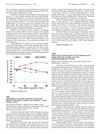
 Human prostate cells produce more WISP1/CCN4 when there's not enough oxygen.
June 2017 in “Yakakoeji/Yaghag hoeji” This study found that Wheat Sprout MeOH extract increased cell proliferation in human hair dermal papilla cells through the activation of ERK and Akt signaling pathways.
 80 citations
,
April 2011 in “Plant physiology”
80 citations
,
April 2011 in “Plant physiology” This study suggests that the GPX-PDE1 and GPX-PDE2 genes in white lupin enhance root hair development and contribute to Pi limitation acclimation by facilitating glycerophosphodiester degradation.
1 citations
,
November 2023 in “International Journal of Molecular Sciences” This study observed that SOX18 promotes the proliferation of dermal papilla cells in Hu sheep by activating the Wnt/β-Catenin signaling pathway, suggesting its key role in wool growth.
March 2026 in “Journal of Investigative Dermatology” This quality improvement initiative at Children’s Hospital of Orange County seeks to increase awareness and use of nonprofit pediatric wig programs by at least 50% over three months through educational interventions.
37 citations
,
January 2010 in “Journal of Clinical Investigation” In this study, N-WASP deficiency in mouse skin was found to cause severe alopecia and disrupt hair follicle cycling by 5 months, highlighting its critical role in skin function and Wnt signaling.
December 2010 in “대한미용학회지” This study found that Polygoni multiflori Radix water extracts stimulated hair growth and hair follicle development in mice, suggesting it may be safer than minoxidil.
 8 citations
,
August 2018 in “Anais Brasileiros De Dermatologia”
8 citations
,
August 2018 in “Anais Brasileiros De Dermatologia” Researchers translated and validated the WAA-QoL questionnaire into Brazilian Portuguese, finding it to be a reliable tool for assessing quality of life in women with female pattern hair loss.
January 2010 in “대한미용학회지” This study observed that Polygoni mulitiflori Radix water extracts accelerated hair regrowth in mice by enhancing enzyme activities and increasing IGF-1 gene expression related to hair growth.
1 citations
,
September 2021 in “Frontiers in genetics” This case report identifies a previously undocumented nonsense mutation in DCAF17 in a Chinese patient with Woodhouse-Sakati syndrome, inherited from consanguineous parents.
 July 2021 in “Scholars Journal of Medical Case Reports”
 In this report, a 16-year-old Saudi girl with Woodhouse-Sakati Syndrome exhibited unique findings, including hepatic hemangioma and low growth hormone, suggesting the importance of considering WSS in similar clinical presentations.
 2 citations
,
January 2008 in “Journal of Society of Cosmetic Chemists of Japan”
2 citations
,
January 2008 in “Journal of Society of Cosmetic Chemists of Japan” PMS nanoparticles improve damaged hair by protecting and restoring its surface and color.
 March 2026 in “International Journal of Science Strategic Management and Technology”
 This research introduces WomenCare, a web-based system using a machine learning model to predict PCOD risk by evaluating factors like age, BMI, and lifestyle habits; it aims to help women monitor their health but is not a substitute for a professional diagnosis.
June 2023 in “Clinical Cosmetic and Investigational Dermatology” This report describes a 60-year-old female with pretibial pruritic papular dermatitis who showed significant improvement of skin lesions after one month of treatment with oral pentoxifylline. The authors highlight the unique clinical and histological features of PPPD and propose pentoxifylline as a potential therapy.
 November 2025 in “Communications Materials”
 This research demonstrated that transforming pomelo peel into expanded sponges and carbonized aerogels can accelerate hemostasis and enhance healing in diabetic wounds while eradicating bacterial biofilms, offering an eco-friendly solution for wound care from agricultural waste.
April 2021 in “Journal of Investigative Dermatology” Blocking DPP4 can help prevent fat loss and skin fibrosis.
 November 2025 in “Clinical Cosmetic and Investigational Dermatology”
 LIPH mutations cause woolly hair in some Chinese people.
 15 citations
,
July 2016 in “Biochemical Journal”
15 citations
,
July 2016 in “Biochemical Journal” This study found that Wnt ligands from CD133-positive dermal papilla cells are essential for maintaining hair growth by supporting cell signaling between different hair follicle structures.
2 citations
,
January 2025 in “Veterinary Dermatology” This study found that Pomeranian dogs with a woolly coat type and male dogs had a higher risk of developing Alopecia X in the Netherlands and Belgian regions studied.
2 citations
,
September 2022 in “World Rabbit Science” This study found that the WIF1 gene may play a crucial role in hair follicle growth and development in Angora rabbits by regulating specific genes and proteins.
11 citations
,
April 2012 in “Journal of Investigative Dermatology” A specific mutation in PA-PLA1α causes abnormal hair growth.
 August 2016 in “Journal of Investigative Dermatology”
 This case report identifies a novel LIPH gene mutation linked to autosomal recessive woolly hair/hypotrichosis in a Japanese boy, expanding the spectrum of known mutations associated with this condition.
1 citations
,
December 2010 in “Daehan miyong hakoeji” This study found that Polygoni multiflori Radix water extracts accelerated hair regrowth and hair follicle development in mice, showing a safer profile compared to minoxidil.
 October 2021 in “Journal of Investigative Dermatology”
 This study found that inhibiting DPP4 during a critical period post-wounding increases hair follicle regeneration and Wnt signaling in large skin wounds.
 September 2023 in “Journal of microbiology and biotechnology”
 This study found that low molecular weight collagen peptide from fish may promote hair growth in both human cells and mice by activating the Wnt/β-catenin signaling pathway.
November 2022 in “Skin appendage disorders” In this study, the authors successfully translated, culturally adapted, and validated the Women's Androgenetic Alopecia Quality of Life questionnaire into Spanish, demonstrating it as a reliable tool for assessing female pattern hair loss.
4 citations
,
December 2021 in “Journal of clinical laboratory analysis” This study identified a splicing-site deletion in the DCAF17 gene associated with Woodhouse-Sakati syndrome in a large consanguineous pedigree, leading to typical phenotypic features.