 11 citations
,
August 2007 in “Bioorganic & Medicinal Chemistry Letters”
11 citations
,
August 2007 in “Bioorganic & Medicinal Chemistry Letters” This study found that among the tested analogs, compound 4e was the most effective in inhibiting wax esters in vivo in the Golden Syrian hamster ear model.
March 2023 in “Reactions Weekly”  June 2026 in “Pathology & Oncology Research”
 In this study, the Orbis PAXMAN® scalp cooling system showed effectiveness and good tolerability in preventing chemotherapy-induced hair loss in breast cancer patients, particularly those receiving anthracycline-free chemotherapy, though the presence of comorbidities was linked to a higher risk of severe alopecia.
 December 2025 in “Scientific Reports”
 This study found that preconditioning human hair follicle-derived stem cells with valproic acid enhanced their survival and migration in ischemic-like conditions by activating autophagy and inhibiting the AKT/mTOR pathway, suggesting this approach could improve stem cell therapies for ischemic stroke.
28 citations
,
March 2013 in “Journal of Investigative Dermatology” Kv1.3 blockers may help treat alopecia areata and promote hair regrowth.
 87 citations
,
March 2005 in “Journal of Dermatological Science”
87 citations
,
March 2005 in “Journal of Dermatological Science” This study found that the extract of Asiasari radix may promote hair growth in mice by enhancing protein synthesis, cell proliferation, and growth factor expression.
April 2025 in “Digital Commons - East Tennessee State University (East Tennessee State University)” In a mice model of atopic dermatitis, this study reported that a formulated cromolyn sodium oleate gel significantly reduced scab size and provided better healing than dexamethasone, with fewer adverse effects.
 February 2024 in “Journal of Molecular Structure”
 In this study, researchers developed a supramolecular hydrogel combining minoxidil and salicylic acid, finding that it accelerates hair growth and enhances hair follicle regeneration in vivo, suggesting its potential as an effective treatment for alopecia.
 July 2026 in “Zenodo (CERN European Organization for Nuclear Research)”
 In this study, in silico analysis identified Saponin Re and Emodin as promising candidates for topical treatment of androgenetic alopecia, with Biochanin A having the most favorable safety profile among the tested compounds.
 1 citations
,
July 2018 in “Journal of dermatology & cosmetology”
1 citations
,
July 2018 in “Journal of dermatology & cosmetology” This case report describes a treatment approach for frontal and temporal alopecia using oral dutasteride, minoxidil lotion, and triamcinolone injections, with hyaluronic acid successfully treating injection site atrophy.
85 citations
,
January 1996 in “International Journal of Cancer” In this study, AS101 combined with chemotherapy significantly reduced the severity of chemotherapy-induced alopecia in non-small-cell-lung-cancer patients and may involve immune mechanisms related to IL-1 and PGE2.
 11 citations
,
May 1990 in “Journal of Dermatological Science”
11 citations
,
May 1990 in “Journal of Dermatological Science” In this animal study, topical diazoxide treatment led to increased hair thickness and follicle growth in bald stumptailed macaques without causing notable systemic side effects.
April 2023 in “Journal of Investigative Dermatology” CD206+ macrophages are crucial for hair growth in alopecia areata treatment.
 24 citations
,
May 2010 in “Veterinary dermatology”
24 citations
,
May 2010 in “Veterinary dermatology” This study found that both ciclosporin A and topical therapy were effective in reducing alopecia and scaling in dogs with idiopathic sebaceous adenitis, with evidence suggesting improved outcomes when both treatments are combined.
2 citations
,
August 2002 in “British Journal of Ophthalmology” This article discusses the potential of intralesional cidofovir as a treatment for SCC and reports no systemic toxicity, but highlights surgical excision as the most reliable curative option.
 May 2026 in “Zenodo (CERN European Organization for Nuclear Research)”
 This study identified Saponin Re and Emodin as top candidates for treating androgenetic alopecia, suggesting future research in dermal papilla cell cultures and scalp organoids despite safety concerns.
 January 2005 in “Nihon Yasei Doubutsu Igakkaishi/Japanese journal of zoo and wildlife medicine”
 This study observed that Aloe vera gel applied topically to mange-affected camels led to the rapid disappearance of skin lesions and mites.
This study found that Avicennia marina extract significantly increased hair growth in androgenic alopecia patients, suggesting its potential effectiveness by inhibiting 5 alpha-reductase and regulating relevant growth factors.
32 citations
,
September 2010 in “Stress” This study found that suppressing allopregnanolone production in late gestation fetal sheep altered CNS activity and behavioral responses to transient asphyxia, effects mitigated by an analog co-infusion.
24 citations
,
January 2017 in “International Journal of Trichology” 7 citations
,
June 2000 in “Journal of the American Academy of Dermatology” This study found that betamethasone valerate in a foam vehicle has comparable total coverage to traditional topical corticosteroid vehicles, despite less coverage per unit of foam.
13 citations
,
November 2005 in “Epilepsia” This study suggests that the anticonvulsant effects of deoxycorticosterone in young rats may be mediated by its metabolites and interactions with multiple receptors, including mineralocorticoid and progesterone receptors.
 March 2026 in “Frontiers in Veterinary Science”
 This study found that all-trans retinoic acid (ATRA) inhibits proliferation and promotes apoptosis in secondary hair follicle-derived dermal papilla cells from cashmere goats, likely via the TGF-β2/Smad2/3 signaling pathway.
August 2025 in “JOURNAL OF EXPERIMENTAL ZOOLOGY INDIA” This study reported that a spray containing Origanum marjoram essential oil significantly improved hair regrowth, dermal thickness, weight, and lymphocyte levels in rabbits with cyclophosphamide-induced alopecia, suggesting its potential as a natural alternative for hair loss treatment.
November 2025 in “JOURNAL OF EXPERIMENTAL ZOOLOGY INDIA” This study observed that thymol from Origanum marjoram essential oil significantly promoted hair regrowth and reduced inflammation in cyclophosphamide-induced alopecia in rabbits, with effects that were comparable to or exceeded those of betamethasone, highlighting its potential as a safer treatment alternative.
 May 2026 in “Open Science Framework”
 This study conducted an in silico evaluation of Korean herbal compounds against key targets involved in androgenetic alopecia, finding Biochanin A, Saponin Re, and Emodin as promising candidates for topical treatments, but highlighting safety and topical formulation challenges.
4 citations
,
October 2013 in “Botanics Targets and Therapy” In this animal study, a herbal preparation demonstrated moderate anti-inflammatory and immunomodulating properties, suggesting its potential usefulness for preventing and treating alopecia.
12 citations
,
July 2016 in “Journal of dermatology” This study found that intramuscular triamcinolone acetonide may be an effective and safe treatment option for managing refractory alopecia areata, showing a 63% response rate in patients and hair regrowth negatively correlated with initial scalp involvement.
 14 citations
,
November 2007 in “Journal of Dermatological Science”
14 citations
,
November 2007 in “Journal of Dermatological Science” This review discusses the roles of epithelial-mesenchymal interactions and dermal papilla in hair follicle growth and cycling, but it reports no new clinical results.
 1 citations
,
March 2024 in “Skin health and disease”
1 citations
,
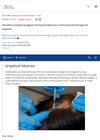
March 2024 in “Skin health and disease” This study found that vibration assisted analgesia reduced pain during intralesional corticosteroid therapy for hair loss, enabling treatment in a broader range of patients, including those with needle phobia.