October 2017 in “Institutional Repositories DataBase (IRDB)” Polyacetylene compounds from Panax ginseng may slow hair growth.
46 citations
,
April 1987 in “Brain Research” This study suggests that hair-follicle afferent axons can be presynaptically inhibited by boutons containing the enzyme glutamic acid decarboxylase, which is linked to the synthesis of γ-aminobutyric acid.
October 2025 in “Transplantation” This study developed dutasteride-loaded microneedle systems using a specific polymer to enhance transdermal delivery, demonstrating efficient drug release and increased accumulation in hair follicles, thus supporting their potential for treating androgenic alopecia.
 14 citations
,
May 2021 in “Marine Drugs”
14 citations
,
May 2021 in “Marine Drugs” This review discusses the therapeutic properties of polydeoxyribonucleotides derived from marine organisms for wound healing and inflammation, but it reports no new clinical results.
 6 citations
,
June 2008 in “Journal of the European Academy of Dermatology and Venereology”
6 citations
,
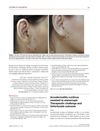
June 2008 in “Journal of the European Academy of Dermatology and Venereology” This paper discusses a case of acrodermatitis continua that was resistant to treatment with etanercept, highlighting the therapeutic challenges faced, but reports no new research results.
 May 2025 in “Journal of Nanobiotechnology”
 This study reported that an ATRA-loaded nanostructured lipid carrier gel (ATRA-NLC-Gel) improved symptoms of alopecia areata in mice by enhancing transdermal drug delivery, reducing skin irritation, and promoting hair regrowth through targeted follicle enrichment and pathway activation.
 8 citations
,
July 2018 in “European Journal of Dermatology”
8 citations
,
July 2018 in “European Journal of Dermatology” A medication may help with hair growth in psoriasis, and a skin condition might be linked to a specific bacteria.
 August 2018 in “Journal of Investigative Dermatology”
 This study found that the application of polyunsaturated fatty acids, particularly arachidonic acid, promoted hair growth and anagen induction in both human dermal papilla cells and mouse models.
May 2026 in “Therapeutic Delivery” This study found that applying a dutasteride-loaded liposome formulation to damp rat skin nearly doubled the drug's follicular accumulation compared to dry skin, suggesting scalp hydration status may significantly impact the drug's topical delivery, especially in follicle-rich areas.
January 2025 in “International Journal of Pharmaceutics” In this study, gelatin-coated transferosomes were developed to deliver tofacitinib specifically to hair follicles, resulting in 80% hair regrowth in alopecia areata patients with recalcitrant lesions after 12 weeks of treatment.
 6 citations
,
February 2010 in “Journal of The American Academy of Dermatology”
6 citations
,
February 2010 in “Journal of The American Academy of Dermatology” This case report details a 31-year-old woman with a subcutaneous nodule on her hand characterized by necrosis and lymphocytic infiltrate.
14 citations
,
March 2025 in “Nano Today” The hydrogel dressing speeds up and improves diabetic wound healing.
45 citations
,
January 2021 in “Drug Delivery” In this study, researchers developed a biomimetic anti-inflammatory nanosystem (MM-CEP/NLCs) that significantly reduced the severity of acute lung injury in vivo by targeting and accumulating in lung inflammation sites, showcasing its potential for treating inflammation.
78 citations
,
May 2019 in “Frontiers in Cellular and Infection Microbiology” This study found that the antimicrobial peptide DPK-060 effectively reduced bacterial counts of Staphylococcus aureus and was safe for topical use in preclinical models, although nanocarrier encapsulation did not enhance its efficacy.
 October 2025 in “Advanced Healthcare Materials”
 In a study on wound healing, researchers described injectable POEGMA‐DA hydrogels as a promising non-toxic alternative to traditional wound closure methods, showing effective tissue adhesion and enhanced regeneration of skin structures in a mouse model without significant inflammation.
 6 citations
,
February 2019 in “JAAD case reports”
6 citations
,
February 2019 in “JAAD case reports” This case report suggests acitretin as a potential treatment for pseudoainhum, following the successful resolution of the condition in a patient with palmoplantar keratoderma and congenital alopecia.
1 citations
,
June 2015 in “Journal of anatomy” This study reported that novel kainate derivatives, especially ZCZ90, maintained potency in affecting proprioceptive sensory organ firing, aiding future receptor studies for potential treatment innovations.
 February 2010 in “Journal of The American Academy of Dermatology”
 NB-002 is a promising new topical treatment for fungal nail infections, showing better results than a non-medicated option.
October 2013 in “한국생물공학회 학술대회” Poly-γ-glutamic acid may help reduce hair loss.
 April 2026 in “Biomolecules”
 In this study, researchers synthesized biomedical polyurethanes incorporating curcumin and varying PEG content to enhance water solubility and control curcumin release, finding that higher PEG content improved hydrophilicity, swelling, and degradation, while maintaining excellent antioxidant and antibacterial activities, suggesting promise for biomedical applications.
1 citations
,
February 2023 in “Tropical Journal of Pharmaceutical Research” This study found that polysulfonic acid mucopolysaccharide may reduce skin scarring in rats by influencing the TGF-β1/Smad signaling pathway.
1 citations
,
June 2006 in “Experimental dermatology” In this study, researchers identified similar presence of various nicotinic and muscarinic AChRs in lesional and normal epidermis, suggesting that tobacco-delivered nicotine may exacerbate acne inversa by interacting with endogenously produced acetylcholine.
 69 citations
,
December 2015 in “Journal of Controlled Release”
69 citations
,
December 2015 in “Journal of Controlled Release” This study found that nanocapsules formulated as a dispersion and applied with massage may enhance follicular uptake of clobetasol propionate while minimizing its skin penetration, offering a potential improvement over conventional treatments for scalp diseases.
 83 citations
,
June 2020 in “Materials & Design”
83 citations
,
June 2020 in “Materials & Design” In this study, ACF sponges with 10% fucoidan significantly promoted wound healing and hair follicle regeneration in rats, showing improved hemostatic and antibacterial performance compared to other formulations.
 42 citations
,
January 2009 in “Colloids and Surfaces B: Biointerfaces”
42 citations
,
January 2009 in “Colloids and Surfaces B: Biointerfaces” This study found that dimethylpabamidopropyl laurdimonium tosylate, a quaternary ammonium surfactant, adsorbs onto human scalp hair with kinetic and isotherm behaviors fitting specific models, changing hair fiber wettability from hydrophobic to hydrophilic.
 118 citations
,
May 2015 in “European journal of pharmaceutics and biopharmaceutics”
118 citations
,
May 2015 in “European journal of pharmaceutics and biopharmaceutics” This study found that the pH-sensitive hydrogel HECHA13, containing isoliquiritigenin, effectively inhibited the growth of Propionibacterium acnes and showed promise for transdermal delivery in acne treatment.
 3 citations
,
March 2023 in “JAAD case reports”
3 citations
,
March 2023 in “JAAD case reports” This study describes three cases where patients with recalcitrant alopecia areata achieved complete hair regrowth on the scalp after treatment with upadacitinib, suggesting it may be beneficial for similar cases, especially those with comorbid atopic dermatitis.
13 citations
,
March 1999 in “Biochemical Journal” In this study, transgenic mice overexpressing the SSAT gene were highly sensitive to polyamine analogues, leading to severe liver changes and high mortality rates after treatment.
January 2013 in “프로그램북(구 초록집)” 2 citations
,
April 2024 in “Journal of International Medical Research” This case report describes a female patient with ankylosing spondylitis who developed generalized pustular psoriasis after adalimumab therapy, and whose condition improved following treatment with secukinumab and acitretin.