 April 2026 in “Dermatology and Therapy”
 The device improved hair growth and thickness in men without side effects.
July 1997 in “JEADV. Journal of the European Academy of Dermatology and Venereology/Journal of the European Academy of Dermatology and Venereology”  3 citations
,
January 2017 in “Evidence-based complementary and alternative medicine”
3 citations
,
January 2017 in “Evidence-based complementary and alternative medicine” This study found that Galla chinensis solution significantly improved skin lesions and fungal eradication in dermatophytosis-infected dogs, showing over 85% efficacy in fungal removal after 14 days and outperforming the positive control treatment.

This study found that γδ T cells play a role in regulating stromal behavior, influencing the composition and vascularity of fibrotic tissues during the foreign body response.
1 citations
,
October 2025 in “International Journal of Molecular Sciences” This study found that zebrafish with a mutation in the GDP-fucose biosynthesis gene exhibited enhanced and faster regeneration of mechanosensory hair cells, implicating the importance of this gene and Notch signalling regulation in hair cell regeneration mechanisms.
 April 2023 in “Dermatologic surgery”
 This study found that using histidine-tryptophan-ketoglutarate solution with adenosine triphosphate and deferoxamine for hair graft preservation significantly reduced postsurgical shedding compared to Ringer solution, enhancing patient satisfaction.
 February 2026 in “Frontiers in Medicine”
 In this case report, a three-generation family with Gorlin-Goltz syndrome showed a heterozygous PTCH1 splice-donor variant associated with the disease, and two affected relatives benefited from individualized, side-effect-guided dosing of the drug sonidegib, experiencing regression of basal cell carcinoma lesions.
 7 citations
,
February 2015 in “Journal of comparative pathology”
7 citations
,
February 2015 in “Journal of comparative pathology” This study observed that NSG-hu-BLT mice developed graft-versus-host disease characterized by CD8+ T lymphocyte-related cell death in the skin and liver, which may affect their utility in other research areas.
 1 citations
,
July 2021 in “Anais Brasileiros de Dermatologia”
1 citations
,
July 2021 in “Anais Brasileiros de Dermatologia” This study suggests that observing the acute telogen effluvium triad—frontal fringe, temporal recess, and occipital fringe—can aid in diagnosing telogen effluvium during resolution phases, despite challenges like negative pull tests.
October 2025 in “Journal of Investigative Dermatology” Hair follicle dermal stem cells help control hair growth timing by regulating signals at the hair germ–dermal papilla interface.
 February 2024 in “ACS Omega”
 This study found that the topical Shen Bai hair growing decoction may improve androgenetic alopecia in mice by suppressing TNF-α and IL-6 levels, enhancing follicle density, and reducing apoptosis.
 13 citations
,
August 2020 in “Frontiers in Immunology”
13 citations
,
August 2020 in “Frontiers in Immunology” This review explores the expression of Perforin by gamma delta T cells in human skin and its role in cytotoxicity but reports no new experimental results.
 1 citations
,
April 2022 in “Indian Journal of Plastic Surgery”
1 citations
,
April 2022 in “Indian Journal of Plastic Surgery” This document provides protocols for gender-affirming hormone therapy in India, highlighting the need for research on outcomes and adverse events in adults receiving such therapy; it reports no new results.
1 citations
,
May 2025 in “The Journal of Dermatology” In this study, increased Treg cell activity indicated by IL-10 and IL-15 was identified as a feature of ADTA, distinguishing it from AA and potentially explaining ADTA's more favorable prognosis.
2 citations
,
September 1971 in “Metabolism, clinical and experimental” In this study, patients with testicular feminization syndrome showed limited anabolic responsiveness to dihydrotestosterone, potentially due to reduced affinity of nuclear receptor sites for androgenic steroids rather than defective testosterone conversion.
 January 2020 in “Przegla̧d dermatologiczny”
 A 5-year-old boy was diagnosed with congenital triangular alopecia, a type of hair loss without skin changes, usually starting between ages 2-5, with no specific treatment.
 29 citations
,
January 2021 in “Translational Psychiatry”
29 citations
,
January 2021 in “Translational Psychiatry” This study found that certain gene sets, including those involved in ligand-gated ion channel signaling and cell adhesion, are associated with Tourette syndrome, suggesting a potential neurobiological basis for the disorder.
2 citations
,
November 1996 in “Transplantation” This study found that intrathymic injection of recipient-type splenocytes into donor rats, combined with antilymphocyte antiserum, effectively prevented graft-versus-host disease for up to 300 days.
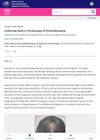 January 2026 in “Indian Journal of Dermatopathology and Diagnostic Dermatology”
 This report highlights a case where dermoscopic observation of corkscrew hairs in a young woman led to the diagnosis of trichotillomania, emphasizing its role in distinguishing this psychiatric disorder from other forms of non-scarring alopecia and highlighting the importance of timely intervention.
54 citations
,
December 2011 in “American Journal Of Pathology” This study found that immune-mediated destruction of bulge stem cells is a key factor in the alopecia observed in AE mice, suggesting it as a model for studying primary cicatricial alopecias, particularly lichen planopilaris.
 8 citations
,
August 2018 in “Drug testing and analysis”
8 citations
,
August 2018 in “Drug testing and analysis” This study observed that ethyl glucuronide (EtG) concentrations in hair decreased significantly during an abstinent period, suggesting possible wash-out effects or other factors affecting EtG levels.
 8 citations
,
October 2023 in “JMIR dermatology”
8 citations
,
October 2023 in “JMIR dermatology” ChatGPT can be a helpful dermatology resource but should not replace professional consultations.
 October 2022 in “The American journal of gastroenterology”
 This case report details a patient with myasthenia gravis and a malignant thymoma whose rising liver function tests, initially thought to be related to antibiotic use, were ultimately attributed to thymoma-associated multiorgan autoimmunity.
 February 2016 in “The journal of allergy and clinical immunology/Journal of allergy and clinical immunology/The journal of allergy and clinical immunology”
 This study reports a novel mutation in the TP63 gene associated with T and B cell lymphopenia in an EEC patient, suggesting that EEC diagnosis should include TREC assay and evaluation for immunodeficiency.
12 citations
,
January 1994 in “Dermatology” This study found that a patient with giant axonal degeneration had unique hair abnormalities such as trichorrhexis nodosa and altered S:N ratios, unlike her relatives but comparable to unrelated controls.
April 2023 in “Dohuk medical journal” This review discusses the use of trichoscopy for diagnosing alopecia and reports no new clinical results, emphasizing its role in identifying vascular and follicular features.
September 2025 in “Journal of lasers in medical sciences” This study found that thulium laser therapy significantly improved hair regrowth and patient satisfaction in individuals with androgenic alopecia, demonstrating safety and effectiveness with no reported adverse events during short-term evaluation.
27 citations
,
January 2018 in “Drug Delivery” In this study, researchers investigated a new local drug delivery system using glycol chitosan hydrogel and doxorubicin (GC10/DOX) for thyroid cancer in mice, finding it produced a stronger antitumor effect compared to conventional treatment methods.
62 citations
,
December 1941 in “Experimental biology and medicine” In this study, phenylthiocarbamide intake was associated with hair graying in rats, while switching to tap water led some rats to regain their original fur color, suggesting dietary factors influence pigmentation.
November 2025 in “PROGRESS IN BIOCHEMISTRY AND BIOPHYSICS” This study found that taurine significantly mitigated DHT-induced androgenetic alopecia in male C57BL/6 mice by promoting hair regrowth, enhancing hair follicle cycle progression, reducing apoptosis, and downregulating key androgen-related signaling pathways, highlighting its potential as a therapeutic candidate for hair loss management.