July 2025 in “Dermatology Practical & Conceptual” In this study, researchers found that hair alterations such as frontal-occipital inversion in males and a high occipital hairline may aid in diagnosing the uncommon condition TRPS.
 9 citations
,
January 2018 in “BioMed Research International”
9 citations
,
January 2018 in “BioMed Research International” This study found that topical application of TSG from Polygonum multiflorum promoted hair regrowth in depilated mice, potentially through the inhibition of apoptosis-related proteins.
 4 citations
,
February 2020 in “Journal of Cosmetic Dermatology”
4 citations
,
February 2020 in “Journal of Cosmetic Dermatology” This study found that androgenetic alopecia was the most common cause of frontal hairline recession in Egyptian female patients, supporting the use of trichoscopy as a noninvasive diagnostic tool.
October 2025 in “Annals of Medicine and Surgery” This study discusses the potential of topical retinoids, vitamin A derivatives, to improve treatment outcomes for androgenetic alopecia by promoting hair growth through extending the anagen phase and stimulating follicular activity, offering a promising approach when combined with existing therapies.
July 2025 in “Clinical Case Reports” In this case report, a 17-year-old male with a specific TRPS1 gene mutation presented with sparse, soft hair, short thumbs and toes, misaligned teeth, and distinctive bone abnormalities in the fingers and toes as observed through X-ray analysis.
 March 2026 in “Zenodo (CERN European Organization for Nuclear Research)”
 This study aims to create and evaluate a novel trio pack of polyherbal hair care products, that includes a shampoo, conditioner, and serum, leveraging diverse botanical extracts known for promoting hair growth and scalp health, while reducing side effects typical of chemical-based cosmetics.
January 2022 in “Clinical Cases in Dermatology” This review discusses the characteristics, potential genetic components, and treatment options for trichotillomania, a psychiatric condition that involves compulsive hair pulling, without reporting new clinical results.
 1 citations
,
February 2022 in “Clinical, Cosmetic and Investigational Dermatology”
1 citations
,
February 2022 in “Clinical, Cosmetic and Investigational Dermatology” In this study, researchers found that the thyroxine receptor agonist TDM10842 accelerated the onset of anagen, a hair growth phase, in C3H mice, potentially through activation of the Wnt/beta-catenin and Hedgehog pathways, with Pclaf playing a key role in this process.
This study found that a polyherbal formulation of Trigonella foenum-graecum seeds and Butea monosperma flowers significantly promoted hair growth and reduced dihydrotestosterone levels in a chemotherapy-induced alopecia model.
January 2024 in “Revista del Centro Dermatológico Pascua” In this case report, a 24-year-old male with acquired distal trichorrhexis nodosa showed significant improvement after avoiding harmful hair treatments and using a repair shampoo alongside biotin and zinc supplements.
January 2026 in “OSF Preprints (OSF Preprints)” In this study, researchers presented a novel therapeutic approach for androgenetic alopecia combining AR-PROTAC degradation with regenerative strategies and evaluated the potential of GT20029 as a topical treatment, proposing a three-phase protocol and future research hypotheses.
November 2011 in “Journal of Investigative Dermatology” TRH in hair follicles can influence hair color by increasing melanin.
 January 2026 in “Forum Dermatologicum”
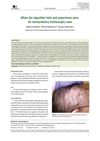
 This case study examined a 72-year-old woman with unique hair shaft constrictions consistent with monilethrix, despite features atypical for this condition, ultimately reaching a diagnosis that led to successful improvement using oral minoxidil and reduced hair trauma.
 April 2017 in “Journal of Investigative Dermatology”
 This study found that a single dose of TRP significantly reduced the number of UV-B-induced actinic keratosis lesions in a mouse model and was associated with improved skin histology and minimal side effects.
 16 citations
,
June 2009 in “Dermatologic Surgery”
16 citations
,
June 2009 in “Dermatologic Surgery” This abstract does not contain research results or findings.
January 2026 in “Journal of Clinical Case Studies” This article discusses the potential of copper tripeptide (GHK-Cu) to support collagen synthesis and antioxidant activity in the context of androgenetic alopecia but reports no clinical results.
14 citations
,
January 2010 in “Dermatology” This study reports five cases of congenital triangular alopecia featuring a central island of short terminal hair, with the cause remaining unknown.
July 2025 in “Clinical Medicine” In this institution-based randomized trial, oral betamethasone mini-pulse therapy for alopecia areata showed a faster therapeutic response compared to oral tofacitinib, as measured by trichoscopic changes and achievement of 50% hair regrowth.
27 citations
,
February 2006 in “International Journal of Dermatology” This study concluded that isolated trichotillomania of the eyebrows and eyelashes, identified by specific hair characteristics, may be linked to underlying obsessive-compulsive disorders in affected patients.
May 2022 in “European Journal of Dermatology” In this study, increased treatment duration with vismodegib was associated with a decreased risk of relapse in patients with advanced or multiple basal cell carcinoma.

This case study reports that a 14-year-old female with loose anagen hair syndrome and trichotillomania initially improved with topical minoxidil and counseling, but relapsed after a year, highlighting treatment challenges.
 7 citations
,
January 1998 in “PubMed”
7 citations
,
January 1998 in “PubMed” Hair loss can cause scalp discomfort.
 26 citations
,
December 2015 in “International Journal of Dermatology”
26 citations
,
December 2015 in “International Journal of Dermatology” This abstract reviews the symptom of trichodynia, a painful scalp sensation linked to hair loss, and highlights its potential connection to inflammation but reports no new research findings.
August 2019 in “Pharmacoscript” This study found that a 3:2 combination of pandanus and sansevieria leaf extracts showed the best hair growth activity compared to using each extract alone.
December 2025 in “eTheses of Maulana Malik Ibrahim State Islamic University (Maulana Malik Ibrahim State Islamic University)” This study found that the highest antioxidant-activity formulation of the RENTT herbal combination effectively stimulated hair growth in mice and may serve as a natural therapy for chemotherapy-induced alopecia.
9 citations
,
September 1977 in “Journal of Small Animal Practice” In this study, gamma benzene hexachloride washes successfully resolved skin disease in guinea pigs affected by Trixacarus caviae, after confirmation via skin scrapings.
June 2023 in “Biological & clinical sciences research journal” This randomized controlled trial found that methotrexate, particularly when combined with low-dose prednisone, was effective in promoting hair regrowth in patients with alopecia areata totalis, with the combination treatment showing higher efficacy and faster results.
4 citations
,
May 2013 in “The Journal of Korean Medicine Ophthalmology and Otolaryngology and Dermatology” This study reported that Gagamchengyoung-tang may reduce scalp disorder and increase hair density in alopecia patients with a febrile tendency.

This study observed that a combination of sinapic acid and glabridin from Zhimo herbal extract improved hair growth and reduced oxidative stress in a DHT-induced model of androgenetic alopecia in mice by preventing ferroptosis and stabilizing β-Catenin, offering potential application for AGA treatment.
 January 2020 in “Journal of Cosmetics, Dermatological Sciences and Applications”
 This study concluded that TrichoxidilTM positively affected hair growth by increasing growth factor expression and fibroblast proliferation, suggesting it may be a promising treatment for androgenetic alopecia.