March 2026 in “The Aging Male” This retrospective pharmacovigilance study reviewed adverse event reports from 2004 to 2025 for drugs treating benign prostatic hyperplasia, identifying distinct safety signals for α1-blockers, 5ARIs, and PDE5I, including some potential new adverse events that require further investigation.
 July 2024 in “Biological and Clinical Sciences Research Journal”
 This review reports that transgender individuals undergoing hormonal therapy for gender transition face increased risks of cardiovascular disorders, brain tumors, changes in bone density, metabolic disorders, and other health issues, while highlighting the necessity of this therapy for gender transformation.
 October 2023 in “Paediatrics & child health”
 This document serves as a resource for pediatricians and primary care providers to guide gender-affirming health care for transgender and gender-diverse youth, including potential medical transition options.
 January 2016 in “Springer eBooks”
 A 19-year-old male with delayed puberty was successfully treated for a condition that prevents normal hormone production.
 February 2014 in “Revista Argentina de Cardiología”
 In this study, testosterone was found to increase the risk of arrhythmias in a rat heart model, while finasteride reduced this arrhythmogenic effect.
 January 2004 in “Online Publication Service of Würzburg University (Würzburg University)”
 This study found that women with PCOS displayed significantly higher activity of 5alpha-reductase, suggesting an additional role for liver and peripheral tissues in their androgen excess.
 January 2004 in “Online Publication Service of Würzburg University (Würzburg University)”
 This study found that women with PCOS have higher activity of the enzyme 5alpha-reductase, which may contribute to their elevated androgen levels.
January 2026 in “International Journal of Molecular Sciences” This narrative review highlights that declining testosterone levels are a complex public health issue potentially influenced by modifiable lifestyle factors and environmental stressors, suggesting integrated strategies may be needed to address the trend's impacts on health.

This study found that olive leaves extract significantly decreased prostate index, serum PSA, testosterone, and DHT levels in male rats with testosterone-induced benign prostatic hyperplasia, and showed potential as a therapeutic option due to its positive effects on prostate histology and antioxidant activity.
 January 2025 in “Biomedicines”
 In this study, female rats given high doses of testosterone showed decreased endometrial thickness and lower mRNA levels of components in the LIF signalling pathway, indicating that excessive testosterone may negatively impact endometrial receptivity and potentially affect fertility.
 June 2024 in “Frontiers in pharmacology”
 This study found that a 2-deoxy-D-ribose gel stimulated hair follicle growth in mice with androgenic alopecia, showing effects similar to minoxidil without additional benefits from combining the two treatments.
 May 2024 in “KIU journal of health science”
 In this study, kolaviron and quercetin were found to reverse elevated biomarkers associated with testosterone-induced benign prostatic hyperplasia in Wistar rats, with both treatments effectively increasing HDL-c levels, though quercetin did not significantly affect triglyceride levels.
 January 2024 in “Journal of Applied Pharmaceutical Science”
 This study identified procyanidin B2 and leucopelargonidin from Saraca asoca as potential inhibitors in PCOS by showing high binding energy scores against key enzymes involved in estrogen and testosterone biosynthesis.
 September 2023 in “Fides et Ratio”
 This paper reviews the current lack of evidence on the safety and effectiveness of gender-affirming therapies in minors with gender dysphoria, highlighting ethical and legal concerns, including possible long-term consequences such as infertility.
 May 2019 in “bioRxiv (Cold Spring Harbor Laboratory)”
 This study observed that circulating testosterone affects baseline sex differences in voiding function in C57BL/6J mice, with prostate lobe mass having a lesser impact.
 September 2016 in “Princeton University Press eBooks”
 The document concludes that understanding health requires considering evolutionary perspectives on reproductive fitness, and recognizing the complexity of factors like diet, testosterone, and sexual orientation.
Hormonal treatments can help with hair loss, acne, and excess hair growth, but it takes 3-6 months to see results and patients should know the possible side effects.
 June 2013 in “Expert Review of Dermatology”
 The article concludes that hormonal therapy is an effective long-term acne treatment, even for those without hormonal imbalances.
 December 2005 in “Endocrine-related cancer”
 This case report describes a 57-year-old woman's virilizing adrenal tumor effectively treated with the antiandrogen cyproterone acetate, which led to symptom reversal and tumor resolution.
 19 citations
,
October 2017 in “The FASEB Journal”
19 citations
,
October 2017 in “The FASEB Journal” This study established an androgen-responsive human organ culture model using hair follicles, demonstrating that women's intermediate facial follicles grow more hair in response to men's higher androgen levels.
Different drugs are used to manage breeding, prevent or end pregnancy, and treat reproductive issues in dogs and cats.
 63 citations
,
August 2008 in “Journal of Cosmetic Dermatology”
63 citations
,
August 2008 in “Journal of Cosmetic Dermatology” The researchers reported that the petroleum ether extract of Cuscuta reflexa may promote hair growth in testosterone-induced alopecia in mice by inhibiting the enzyme 5α-reductase.
 11 citations
,
December 2011 in “Revista Brasileira de Farmacognosia”
11 citations
,
December 2011 in “Revista Brasileira de Farmacognosia” In this animal study, petroleum ether and ethanolic extracts of Abrus precatorius seeds appeared to reverse androgen-induced alopecia in male albino rats by inhibiting the 5α-reductase enzyme, similar to finasteride.
 7 citations
,
September 2014 in “Beni-Suef University Journal of Basic and Applied Sciences”
7 citations
,
September 2014 in “Beni-Suef University Journal of Basic and Applied Sciences” This study found that ethanolic and petroleum ether extracts of Cuscuta reflexa, as well as an isolate from these extracts, improved hair growth and follicle characteristics in androgen-induced alopecia in rats.
 December 2023 in “International journal of drug delivery technology”
 In this study, researchers developed a polyherbal serum using extracts from various herbs and tested it on rats with testosterone-induced alopecia, observing it potentially promotes hair growth and decreases androgen-induced hair loss, with results compared to a positive control using finasteride.
 3 citations
,
January 2016 in “Elsevier eBooks”
3 citations
,
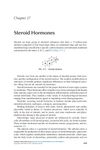
January 2016 in “Elsevier eBooks” This article discusses the various roles of steroids in vertebrate organ systems and notes several glucocorticoids that were among the Top 200 Drugs by sales in the 2010s, but it reports no new clinical findings.
 196 citations
,
May 2001 in “The journal of investigative dermatology/Journal of investigative dermatology”
196 citations
,
May 2001 in “The journal of investigative dermatology/Journal of investigative dermatology” This study found that SZ95 sebocytes and HaCaT keratinocytes exhibit distinct enzyme expressions and activities, implicating their different roles in androgen metabolism and homeostasis in vitro.
 165 citations
,
February 2014 in “Phytotherapy Research”
165 citations
,
February 2014 in “Phytotherapy Research” Myrtle has various health benefits and potential for medicine development.
 134 citations
,
April 2020 in “Journal of Cosmetic Dermatology”
134 citations
,
April 2020 in “Journal of Cosmetic Dermatology” Male pattern hair loss could hint at androgens affecting COVID-19 severity.
 118 citations
,
May 2003 in “Toxicological Sciences”
118 citations
,
May 2003 in “Toxicological Sciences” This study found that prenatal exposure to finasteride in rats led to permanent changes in developmental endpoints like anogenital distance and nipple retention, which were predictive of further reproductive tract malformations.