 39 citations
,
November 2013 in “European journal of pharmaceutics and biopharmaceutics”
39 citations
,
November 2013 in “European journal of pharmaceutics and biopharmaceutics” This study found that massaging the skin significantly increases follicular penetration of liposomes in an ex vivo setting, while occlusion only enhanced penetration for rigid liposomes.
205 citations
,
January 2005 in “Skin pharmacology and physiology” This review discusses how liposomes and niosomes can enhance drug penetration in topical delivery systems and emphasizes the importance of their specific composition, size, and type, but it reports no new results.
 158 citations
,
July 1993 in “The Journal of Pediatrics”
158 citations
,
July 1993 in “The Journal of Pediatrics” This study observed that omeprazole was highly effective in reducing symptoms and esophagitis in children with severe esophagitis unresponsive to other treatments, though its long-term safety regarding elevated gastrin levels remains uncertain.
 1 citations
,
April 2009 in “Expert Review of Dermatology”
1 citations
,
April 2009 in “Expert Review of Dermatology” This study found that the once-daily gel combining calcipotriene and betamethasone dipropionate was more effective and faster in treating scalp psoriasis compared to individual treatments, with a similar safety profile.
161 citations
,
April 2006 in “Journal of Investigative Dermatology” Liposomes with certain properties can effectively deliver drugs deep into hair follicles.
 30 citations
,
December 1972 in “Archives of dermatology”
30 citations
,
December 1972 in “Archives of dermatology” This report examines efforts to enhance the efficacy of topical steroids for alopecia areata using penetration-enhancing vehicles and exceptionally high concentrations, noting systemic steroids often lead to relapses and toxicity.
 58 citations
,
December 2012 in “Aaps Pharmscitech”
58 citations
,
December 2012 in “Aaps Pharmscitech” This study suggests that finasteride-loaded liquid crystalline nanoparticles could be a viable alternative to oral administration for treating androgenetic alopecia due to their controlled release and skin permeation properties.
 April 2023 in “Journal of Investigative Dermatology”
 This study found that the oral IRAK4-inhibitors BAY 1834845 and BAY 1830839 reduced skin inflammation and systemic inflammatory responses in healthy volunteers, showing similar pharmacodynamic effects to prednisolone when challenged with topical imiquimod and intravenous LPS.
 January 2018 in “Springer eBooks”
 PDE inhibitors, especially PDE4 inhibitors like apremilast, are effective for certain inflammatory skin conditions but have side effects and can be costly.
 22 citations
,
January 2001 in “Chemical & Pharmaceutical Bulletin”
22 citations
,
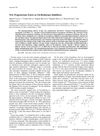
January 2001 in “Chemical & Pharmaceutical Bulletin” This study found that two new progesterone derivatives showed higher antiandrogenic effects and 5α-reductase inhibition than finasteride in hamsters, particularly reducing seminal vesicle weight and flank organ size.
11 citations
,
October 2003 in “Contraception” 2 citations
,
February 2012 in “PubMed” This study found that Gp₄G increased hair length, papilla cell numbers, and versican deposition in treated animals, potentially through alterations in hair follicle phases and nucleotide concentrations.
21 citations
,
January 1998 in “Urologia internationalis” This study found that combining dibenyline and finasteride for symptomatic BPH treatment offered modest improvements with fewer additional side effects compared to each drug alone.
 February 2013 in “Journal of The American Academy of Dermatology”
 Finasteride solution helps treat hair loss.

The best mix of propylene glycol and sorbitol was found for a cream to prevent hair loss using saw palmetto extract.
2 citations
,
May 2023 in “Biology” This study developed and characterized new mouse models of Pemphigus that mimic different forms of the disease, but treatment with Methyl-Prednisolone showed only partial effectiveness.
October 2015 in “Journal of the East Asian Society of Dietary Life” This study found that oral administration of Curcuma longa L. extract in castrated rats with benign prostate hyperplasia reduced pro-inflammatory cytokine expression, suggesting a potential anti-inflammatory effect.
33 citations
,
June 2022 in “Materials Today Bio” This paper reviews recent advances in the design and use of injectable biomaterials for spinal degeneration treatment, highlighting the types of biomaterials like hydrogels and bone cements, and discussing key challenges and opportunities for clinical translation.
 72 citations
,
December 2012 in “Expert Opinion on Drug Delivery”
72 citations
,
December 2012 in “Expert Opinion on Drug Delivery” This review discusses niosomes' increasing popularity in dermatology for topical drug delivery due to their ability to enhance drug penetration, provide sustained release, and carry various drugs, while reporting no new clinical findings.
April 2022 in “Reactions Weekly”  June 2022 in “Farmacevtičnij časopis”
 This study developed a technology for a combined gel named "Biosedum Plus" intended for treating and preventing radiation skin damage, detailing its formulation and critical processing parameters.
 July 2023 in “Biodiversitas”
 In this study, researchers found that Sundanese mothers in a rural village in West Java frequently used 25 medicinal plant species, primarily from the Zingiberaceae family, during pregnancy, childbirth, and postpartum, with popular preparations including decoctions and cooking.
8 citations
,
August 2019 in “Journal of Drug Delivery and Therapeutics” This study aimed to formulate and evaluate a herbal gel containing Allium cepa extract for its physical properties, such as appearance, viscosity, and spreadability, but it does not report specific results or effectiveness in preventing hair loss.
 January 2024 in “Wiadomości Lekarskie”
 This study found that administering steroids alongside cochlear implantation using Skarżyński's six-step method helped preserve residual hearing in patients, with a higher hearing preservation rate observed in those receiving steroids compared to those without.
 January 2014 in “Progress of Digestive Endoscopy”
 This case report describes a 60-year-old woman with Cronkhite-Canada syndrome whose symptoms and polyposis improved following prednisolone therapy, but emphasizes the need for periodic digestive tract screening due to associated cancer risks.
 December 2024 in “PubMed”
 This study reports a case where cyclosporine effectively treated a 51-year-old woman with idiopathic follicular mucinosis resistant to other therapies, suggesting its potential as an option for refractory cases.
 19 citations
,
November 2011
19 citations
,
November 2011 This review discusses the topical use of systemic drugs for cutaneous disorders and reports a lack of strong evidence from randomized controlled trials, highlighting the need for larger comparative effectiveness studies.
9 citations
,
January 2013 in “BioMed research international” This article suggests targeting the water activity within pilosebaceous follicles using biocompatible solutes like xylose and sucrose as a new potential topical treatment for acne.
 April 2019 in “International research journal of pharmacy”
 This study found that a 50% ethanolic extract of Adiantum capillus had significant analgesic and anti-inflammatory effects in animals, particularly at the highest tested dose of 300 mg/kg.
This study observed that adherence to finasteride treatment in patients with benign prostatic hyperplasia at a clinic in Tepic Nayarit had not been previously evaluated in Mexico.