 7 citations
,
July 2018 in “Biological & Pharmaceutical Bulletin”
7 citations
,
July 2018 in “Biological & Pharmaceutical Bulletin” This study found that Phyllanthus urinaria extract displayed significant anti-alopecia properties in a mouse model, showing potential as an anti-5α-reductase agent for androgenic hair loss.
 August 2025 in “International Journal of Research Publication and Reviews”
 In this review, researchers compiled and analyzed existing data on the traditional uses, chemical components, and biological activities of the plant Eclipta alba, commonly utilized in Ayurvedic and Unani medicine for treating various ailments including liver disorders, hair loss, and skin conditions.
 May 2022 in “International Journal for Research in Applied Science and Engineering Technology”
 This study reported that Eclipta prostrata contains active phytochemicals and demonstrated antibacterial properties in methanolic extracts, suggesting potential antibiotic uses.
12 citations
,
November 2024 in “Plants” This study found that the phytosterols β-sitosterol, stigmasterol, and campesterol have low-to-negligible inhibitory activity against steroidal 5α-reductase type 2 compared to the synthetic inhibitor dutasteride, with β-sitosterol showing the highest activity among the tested phytosterols.
 3 citations
,
May 2024 in “Journal of Drug Delivery and Therapeutics”
3 citations
,
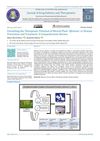
May 2024 in “Journal of Drug Delivery and Therapeutics” This review examines the therapeutic potential of Aftimoon (Cuscuta reflexa), focusing on its pharmacological properties and traditional uses in Unani medicine for various ailments, and highlighting its range of biological activities, including antioxidant and anti-inflammatory effects.
 1 citations
,
June 2023 in “International Journal of Pharmaceutical Sciences and Medicine”
1 citations
,
June 2023 in “International Journal of Pharmaceutical Sciences and Medicine” This review found that Sansevieria trifasciata contains numerous chemical compounds and has been traditionally used to treat various ailments, with prior studies confirming its pharmacological activities such as anti-ulcer, antibacterial, antioxidant, antidiabetic, and anticancer effects, among others.
 17 citations
,
April 2021 in “Clinical Phytoscience”
17 citations
,
April 2021 in “Clinical Phytoscience” This review discusses the ethnobotanical uses and phytochemistry of Plumbago zeylanica L., highlighting its potential pharmacological benefits for conditions such as diabetes and cardiovascular disorders, but reports no new experimental findings.
110 citations
,
September 2017 in “Molecules” This review discusses the phytochemistry, pharmacology, pharmacokinetics, and standardization of Forsythiae Fructus, detailing both unripe and ripe forms, but reports no new clinical results.

This review concluded that the efficacy of cosmeceutical hair serums for addressing hair loss lies in their use of bioactive peptides and plant compounds, like flavonoids and sterols, that target eight key contributing factors identified in hair loss conditions.
 January 2024 in “Biochemistry Research International”
 This study found that compounds from Ziziphus spina-christi roots exhibited promising antibacterial and antioxidant activities, supporting its traditional medicinal use.
 49 citations
,
October 2014 in “International Scholarly Research Notices”
49 citations
,
October 2014 in “International Scholarly Research Notices” This review explores the medicinal properties of Eclipta alba and its phytoconstituents and reports their potential for developing new drugs, but presents no new research results.
 32 citations
,
January 2021 in “Molecules”
32 citations
,
January 2021 in “Molecules” This review compiles studies on the antidiabetic potential of plants from the Middle East, particularly from the Asteraceae and Lamiaceae families, but reports no clinical results.
49 citations
,
May 2021 in “Bulletin of the National Research Centre/Bulletin of the National Research Center” This review highlights that while scientific validation supports the traditional use of Musa paradisiaca (plantain) primarily for physiological conditions, data on its antiviral and in vivo antimicrobial efficacy is limited, yet its constituent compounds indicate potential for further drug development research.
3 citations
,
November 2024 in “Current Research in Microbial Sciences” This study found that extracts from the medicinal plants *Echinops echinatus* and *Tridax procumbens* displayed antimicrobial activity against several bacteria, including *Escherichia coli* and *Staphylococcus aureus*, and identified various compounds like flavonoids and terpenoids potentially responsible for these effects.
30 citations
,
August 2021 in “Journal of Ethnopharmacology” This review examines the phytochemistry, biological activities, and potential applications of Akebia species in medicine and cosmetology, highlighting the differences in chemical composition between A. quinata and A. trifoliata.
 19 citations
,
January 2009 in “Journal of Young Pharmacists”
19 citations
,
January 2009 in “Journal of Young Pharmacists” This study found that the alcoholic extract of Eclipta alba exhibited dose-dependent antianaphylactic effects in animal models, possibly due to membrane stabilization and reduced histamine release.
 January 2000 in “Time to knit”
 This article describes the extraction and characterization method for wedelolactone from Eclipta alba but presents no new clinical results.
 2 citations
,
July 2017 in “Deleted Journal”
2 citations
,
July 2017 in “Deleted Journal” This review discusses the memory enhancing activity of the ethanolic extract of Eclipta alba and reports no new clinical results.
 1 citations
,
January 2020 in “International journal of research in pharmacy and chemistry”
1 citations
,
January 2020 in “International journal of research in pharmacy and chemistry” This review provides an overview of the ethnomedicinal uses, chemical composition, and pharmacological profile of Eclipta alba Hassk and presents no new clinical findings.

This chapter reviews the uses and evidence for saw palmetto in treating lower urinary tract symptoms in men with benign prostate hyperplasia, but finds no strong support for its effect on hair loss.
This study reviews the pharmacological potential of Bacopa monniera, highlighting its extensive therapeutic effects such as antioxidant, anti-inflammatory, and memory enhancement properties, which are primarily attributed to its diverse bioactive compounds.
 January 2024 in “International Journal For Multidisciplinary Research”
 This review examines existing studies on Eclipta prostrata, highlighting its diverse bioactive compounds and potential therapeutic benefits in traditional medicine, and underscores the need for further research to fully develop its medicinal promise.
 75 citations
,
November 2016 in “Medicines”
75 citations
,
November 2016 in “Medicines” This review discusses the properties and therapeutic potentials of beta-sitosterol, highlighting a need for more detailed studies on its mechanisms and long-term effects in humans; it reports no new results.
 67 citations
,
February 2015 in “Life Sciences”
67 citations
,
February 2015 in “Life Sciences” This review discusses phytotherapy options for managing benign prostatic hyperplasia, noting some herbal agents show promise in trials for mild-moderate symptoms but more evidence is needed for others.
 2 citations
,
January 2020 in “Journal of Pharmacognosy and Phytochemistry”
2 citations
,
January 2020 in “Journal of Pharmacognosy and Phytochemistry” This article reviews the medicinal significance of the Eclipta alba plant in India and its therapeutic properties, but reports no new clinical results.
 1 citations
,
January 2019 in “International Journal of ChemTech Research”
1 citations
,
January 2019 in “International Journal of ChemTech Research” This study reviews the pharmacological properties of the plant Eclipta prostrata, highlighting its potential in treating various conditions including wound healing, diabetes, liver protection, alopecia, gum disease, cancer prevention, bone health, and antimicrobial effects, alongside its traditional use in tropical regions.
 64 citations
,
June 2020 in “PLoS ONE”
64 citations
,
June 2020 in “PLoS ONE” This study found that red light exposure significantly enhanced the growth, phytochemical content, and therapeutic potential of Eclipta alba callus cultures compared to other multispectral light exposures.
 17 citations
,
April 2015 in “Tropical Journal of Pharmaceutical Research”
17 citations
,
April 2015 in “Tropical Journal of Pharmaceutical Research” This review highlights the traditional use and potential therapeutic activities of Asiasari Radix in drug discovery, but it reports no new clinical results.
 September 2025 in “International Journal of Environmental Sciences”
 This study explored the stem of Moullava spicata and found it to be rich in secondary metabolites and natural antioxidants, showing significant concentration-dependent antioxidant activity, which supports its ethnomedicinal use and provides a basis for further pharmacological research.

This article discusses the broad traditional uses and potential pharmaceutical applications of burdock, recommending the development of new products but reporting no experimental findings.