1 citations
,
October 2024 in “JCEM Case Reports” In this case report, a patient with pseudovaginal perineoscrotal hypospadias due to 5α-reductase deficiency presented gender dysphoria, and after genomic sequencing confirmation, injectable testosterone undecanoate treatment successfully developed desired male secondary sexual characteristics.
 1 citations
,
September 2023 in “Clinical, cosmetic and investigational dermatology”
1 citations
,
September 2023 in “Clinical, cosmetic and investigational dermatology” This genome-wide association study identified several genetic markers, including specific SNPs and HLA genotypes, associated with alopecia areata susceptibility in the Taiwanese population, highlighting key pathways involved in immune response and offering insights into the genetic origins of this autoimmune condition.
1 citations
,
February 2023 in “Plants” This study reported that rice bran oil from the Thai rice variety BB4CMU showed potential in promoting melanin production and inhibiting steroid 5α-reductase, suggesting a natural option for hair revitalization.
 1 citations
,
April 2022 in “AACE clinical case reports”
1 citations
,
April 2022 in “AACE clinical case reports” This case report describes a 36-year-old Pakistani phenotypic female diagnosed with 46,XY 5-alpha-reductase deficiency, highlighting that such disorders of sexual development can manifest with symptoms like obesity, hirsutism, and amenorrhea later in life due to unique circumstances.
1 citations
,
January 2017 in “Journal of Dermatology and Venereology” This study found that both a botanical extract and minoxidil significantly downregulated IL-1α gene expression in HaCaT cells, with the botanical extract causing a greater decrease.

This review discusses genetic and epigenetic studies of PCOS, highlighting Genome-Wide Association Studies that found genetic variants related to gonadotrophin secretion influencing PCOS susceptibility, but it reports no new findings.
1 citations
,
January 2010 in “uO Research (University of Ottawa)” This research found that the widely used herbicide atrazine may alter Northern leopard frog development, affecting metamorphosis success, sex ratio, and hormone-related gene expression.
 September 2022 in “Research Square (Research Square)”
 In this study, the DIET-AI model, developed from a large dataset of over 200,000 images, demonstrated diagnostic performance for 31 skin diseases comparable to dermatologists of varying experience levels in 15 hospitals across China, supporting its potential effectiveness in clinical settings.
 January 2022 in “Bio web of conferences/BIO web of conferences”
 This study concluded that the elemental composition of tail brush hair in newborn calves can indicate trace element supply to the fetus during the last months of pregnancy.
 January 2017 in “Indian journal of drugs in dermatology”
 This article reviews the use of saw palmetto extract from a dermatologist's perspective, discussing its traditional role in treating androgenic alopecia and other androgen-related dermatological conditions, but it does not report specific research findings or results.
March 2026 in “Materials Today Chemistry” Smart microneedles improve hair loss treatment by delivering drugs precisely with fewer side effects.
August 2024 in “Latin American Journal of Development” In this review, the authors highlight the involvement of the 5α-reductase enzyme family in androgen-dependent disorders, noting the discovery of a novel isoform, SRD5A3, which is overexpressed in cancers with poor prognosis.
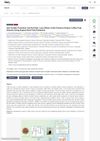
In this study, the SFE-4 extract from coffee pulp demonstrated potential effects for treating androgenetic alopecia by enhancing cell proliferation and gene expression related to hair growth pathways in vitro, using human hair follicle dermal papilla and prostate cancer cells.
July 2026 in “Journal of Dermatological Treatment” In this randomized trial of Iranian men with moderate to severe androgenetic alopecia, researchers found that both finasteride and dutasteride improved hair density over 24 weeks, with dutasteride showing stronger PSA reduction but similar safety to finasteride.
 July 2026 in “Advanced Healthcare Materials”
 This study developed ultrasound-responsive sutures that generate reactive oxygen species to kill bacteria without antibiotics, showing over 80% bacterial reduction and promoting healing in a rat model, though more validation is needed.
July 2026 in “Journal of Craniofacial Surgery” This study found that silencing SRD5A2 and applying melatonin significantly boosted proliferation and migration of human hair follicle stem cells without causing differentiation, while increasing MT1 expression and reducing 5-alpha-reductase levels.
July 2026 in “Journal of Dermatologic Science and Cosmetic Technology” This study found that extracts from Terminalia bellirica enhanced dermal papilla cell viability, inhibited androgen-related pathways, and stimulated hair regrowth in a mouse model, suggesting potential for treating androgenetic alopecia through multi-target mechanisms.
 June 2026 in “International Journal of Ayurvedic Medicine (Hyderabad)”
 This study found that Asthimajjapachak Churna provided significantly more therapeutic relief from hair fall than Shwadamshtradi Rasayana Churna in young females over 30 days.
 June 2026 in “Current Issues in Molecular Biology”
 In this study, a botanical extract and minoxidil showed similar effects in vitro by reducing pro-inflammatory cytokines and 5α-reductase expression while increasing growth factors VEGF and KGF in human keratinocyte cells, suggesting potential for further in vivo research.
 June 2026 in “Journal of Ayurveda and Integrated Medical Sciences”
 In this case study, a 42-year-old woman with alopecia areata, associated with Indralupta in Ayurveda, experienced significant hair regrowth and reduced symptoms after treatment with a combined Ayurvedic regimen involving internal medications and local applications, suggesting potential effectiveness in managing the condition.
May 2026 in “RECIMA21 - Revista Científica Multidisciplinar - ISSN 2675-6218” This study reviewed recent scientific evidence on the neuroendocrine and metabolic impacts of chronic use of 5-alpha reductase inhibitors, detailing its association with sexual dysfunction, mood disorders, insulin resistance, and other metabolic disorders, suggesting persistent biopsycho-social risks beyond transient side effects in users.
May 2026 in “ACS Catalysis” In this study, researchers using QM/MM simulations identified key molecular motions and residue interactions in the enzyme SRD5A2 that significantly influence its catalytic efficiency, demonstrating that specific residues play critical roles in stabilizing transition states and reducing activation barriers.
 May 2026 in “Frontiers in Pharmacology”
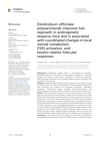
 In this study, DOP treatment improved hair regrowth in androgenetic alopecia by altering local steroid metabolism and follicular morphology.
 May 2026 in “Journal of the Egyptian Womenʼs Dermatologic Society”
 This study found that post-COVID-19 telogen effluvium is strongly associated with elevated oxidative stress marker sRAGE and reduced antioxidant marker HO-1, suggesting potential biomarkers for early diagnosis and monitoring.
 April 2026 in “Communications Biology”
 In this study of Danioninae species, researchers reported that the presence of breeding tubercles on the pectoral fins is conserved in certain species and linked to local androgen conversion, with steroid 5-α-reductase playing a crucial role in their development.
January 2026 in “Dove Medical Press (Taylor and Francis Group)” In this study, researchers observed that patients with alopecia areata reported a high number of personally and familiarly strainful life events before the disease onset, suggesting these events may contribute to the condition's development.
In these aquatic laboratory studies, researchers found that Finasteride reduced dihydrotestosterone levels in fathead minnows and increased gene expression related to androgen pathways in both minnows and medaka, indicating potential conservation of pharmaceutical effects on androgen biosynthesis across different species.
 November 2025 in “Frontiers in Pharmacology”
 In this study, XZYFD, a Traditional Chinese Medicine formulation, was found to improve androgenetic alopecia in a testosterone-induced mouse model by promoting hair regrowth, restoring follicular morphology, and modulating androgen metabolism, MAPK signaling, and lipid metabolism pathways, suggesting potential benefits for patients with metabolic dysfunction.
This study mapped potential targets and pathways for baicalin's action in androgenic alopecia, suggesting it may inhibit 5α-reductase and serve as an effective treatment ingredient.
September 2025 in “Blood Advances” This study found that targeting androgen receptors with prostate cancer drugs ARN509 and finasteride induced remission and increased survival in a leukemia mouse model, suggesting a potential new treatment approach for acute myeloid leukemia.