85 citations
,
October 2007 in “International Journal of Dermatology” In this study, researchers found that the curliness of human hair is associated with an asymmetric structure at the cellular level, particularly in the differentiation of the precortex.
29 citations
,
May 2025 in “Polymers” This study systematically examines how smart biomaterials used with DLP technology can enhance bioprinting in tissue engineering and regenerative medicine, while also identifying current challenges and future research needs.
 101 citations
,
July 2021 in “Nature Communications”
101 citations
,
July 2021 in “Nature Communications” This study reported that 4D-printed, aliphatic polycarbonate-based scaffolds supported adipose tissue engineering by allowing adipocyte infiltration and neovascularization in vivo, indicating potential for effective adipose tissue repair.
 December 2025 in “Journal of Pharma Insights and Research.”
 This paper reviews the state of knowledge on injectable cryogels, highlighting their unique properties such as shape-memory and mechanical integrity, which allow for minimally invasive delivery via needles and potential applications in oncology and regenerative medicine.
 January 2026 in “Nano-Micro Letters”
 This review discusses the principles, materials, and applications of melt electrowriting-based 4D printing for creating biomimetic scaffolds, but reports no new clinical results; it highlights recent advancements and remaining challenges in the field.
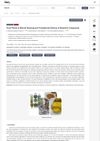
This review highlights the potential of plant-derived natural compounds as biocompatible and biodegradable materials in dermal and transdermal delivery systems, emphasizing their unexplored benefits and detailing recent advances in isolation techniques and drug delivery technologies.
 9 citations
,
February 2016 in “Cambridge University Press eBooks”
9 citations
,
February 2016 in “Cambridge University Press eBooks” This chapter reviews the role of self in disorders related to the OCD spectrum, such as hoarding disorder, body dysmorphic disorder, and trichotillomania, and reports no new findings.
8 citations
,
October 2022 in “Frontiers in Bioengineering and Biotechnology” This study found that HFV70 cryogels, made from Flammulina velutipes extract and hydroxyethyl cellulose, effectively promoted rapid hemostasis and tissue regeneration in full-thickness skin defects in rats, demonstrating improved hemocompatibility, cytocompatibility, antimicrobial, and antioxidant properties.
 15 citations
,
January 2023 in “Biomaterials Research”
15 citations
,
January 2023 in “Biomaterials Research” This review explores the application and implications of 3D bioprinting in plastic surgery but reports no new clinical results, emphasizing its potential benefits and challenges for future research.
 22 citations
,
January 2017 in “Advanced Healthcare Materials”
22 citations
,
January 2017 in “Advanced Healthcare Materials” This study found that thermoresponsive hydrogels can maintain mechanical memory in fibroblasts, enhancing wound healing compared to traditional trypsinized methods.
 1 citations
,
January 2018 in “Stem cell biology and regenerative medicine”
1 citations
,
January 2018 in “Stem cell biology and regenerative medicine” This review discusses the roles of DNA methylation in skin development and regeneration, highlighting its impact on embryonic skin lineage, homeostasis, and potential therapeutic targets, but reports no new clinical results.
 12 citations
,
May 2019 in “Stem cell reviews”
12 citations
,
May 2019 in “Stem cell reviews” In this study, fetal stem cells were identified in adult human hair follicles long after childbirth, indicating potential for autologous therapies due to their pluripotent characteristics.
 4 citations
,
July 2025 in “International Journal of Nanomedicine”
4 citations
,
July 2025 in “International Journal of Nanomedicine” This review explores nano-quercetin formulations to enhance the solubility, stability, and targeted delivery of quercetin, highlighting its potential efficacy in treating cancer, inflammation, metabolic diseases, and tissue regeneration, though challenges in biocompatibility, toxicity, and production remain, per this source.
 November 2025 in “Frontiers in Immunology”
 This study introduces stem cell activity as a key factor influencing the effects of IFN-γ and TGF-β1 on autoimmune disease dynamics, showing that varying cytokine levels can modulate stem cell activity and immune privilege, impacting tissue regeneration and disease flares.
 May 2020 in “International Journal of Engineering Applied Sciences and Technology”
 This study explored the antimicrobial potential of natural bioactive materials such as Citrus lemon, Garlic, Baeckea frutescens, Neem, and Eclipta Alba, highlighting their eco-friendly and non-toxic properties for combating harmful bacteria.
 2 citations
,
July 2020 in “Behavioural Brain Research”
2 citations
,
July 2020 in “Behavioural Brain Research” This study found that neonatal administration of finasteride affected adult learning and memory in rats, enhancing object recognition but impairing aversive learning, with no effect on anxiety-like behavior.
 January 2012 in “heiDOK (Heidelberg University)”
 In this study, researchers observed that dormant TRP-2+ melanoma cells in bone marrow can interact with CD8+ T cells in tumor-bearing ret transgenic mice, potentially influencing immune responses.
 1 citations
,
November 2023 in “Indian Journal of Science and Technology”
1 citations
,
November 2023 in “Indian Journal of Science and Technology” In this study, researchers identified several active metabolites in Eclipta alba, demonstrated strong interaction with Alzheimer's disease proteins, and found that 28 days of treatment improved memory without significant toxicity in rats, suggesting potential pathways for treating Alzheimer's.
 62 citations
,
January 2004 in “The journal of investigative dermatology/Journal of investigative dermatology”
62 citations
,
January 2004 in “The journal of investigative dermatology/Journal of investigative dermatology” This study identified 16 novel high sulfur KAP genes and two KAP pseudogenes on chromosome 21q23, showing expression in a specific region of the hair fiber cuticle.
 1 citations
,
December 2025 in “Scientific Reports”
1 citations
,
December 2025 in “Scientific Reports” In this study, researchers developed a predictive model for the onset of alopecia areata by analyzing six datasets to identify key feature genes and employing various machine learning algorithms, ultimately finding the XGBoost model most effective for clinical application.
 9 citations
,
September 2015 in “Medical Clinics of North America”
9 citations
,
September 2015 in “Medical Clinics of North America” This article reviews common dermatologic procedures, focusing on skin biopsy techniques, with no new clinical results reported.
 January 2024 in “Journal of Ayurveda Campus”
 In this review, researchers reported that Psoralea corylifolia, extensively used in Ayurveda and Traditional Chinese Medicine, exhibits various pharmacological activities, including antioxidant and antidiabetic effects, and is primarily used for treating skin diseases. The authors suggest further clinical trials to explore its therapeutic potential.
 27 citations
,
September 2018 in “Nanomedicine: Nanotechnology, Biology and Medicine”
27 citations
,
September 2018 in “Nanomedicine: Nanotechnology, Biology and Medicine” This review discusses recent advances in hair regeneration therapies, highlighting the potential of nanotechnology and pluripotent stem cells, and reports no new results, emphasizing the need for further research.
9 citations
,
February 2025 in “Journal of Nanobiotechnology” In this study, researchers found that using bioinspired nanovesicles derived from inflammation memory-activated epidermal stem cells effectively promoted healing in diabetic wounds by reprogramming neutrophils to an anti-inflammatory phenotype in both laboratory and animal models.
2 citations
,
November 2025 in “International Journal of Molecular Sciences” This review reports that chitosan, a versatile polysaccharide, shows potential for various therapeutic applications due to its chemical modifications, notably in treating non-communicable diseases and wound healing, though further clinical study is needed to confirm these benefits.
61 citations
,
April 2023 in “Bioactive Materials” This review article highlights recent advances in microneedle technology for wound healing and tissue regeneration, discussing various cargo types, structural designs, and fabrication methods, and suggesting guidelines for designing microneedle systems tailored to specific applications.
 February 2023 in “Frontiers in Endocrinology”
 In this study, prenatal androgen exposure was linked to altered sexual behaviors in both male and female mice, with specific effects on mounting and lordosis behaviors.
4 citations
,
January 2026 in “Micro” This review introduces a framework to integrate bioinspired conductive materials and advanced 3D/4D printing in regenerative medicine for dynamic, responsive tissue regeneration, emphasizing the potential of smart scaffolds to adapt to physiological cues.
 February 2025 in “International Journal of Cosmetic Science”
 This study found that treating hair with ATS, formed from fumaric acid and cysteamine, effectively improved hair quality by increasing moisture content and altering the internal structure of strong curls.
13 citations
,
February 2021 in “Brain Sciences” This study found that in adolescent male rats, androgens enhance inhibitory avoidance memory, possibly by interacting with androgen receptors in the amygdala and hippocampus.