September 2023 in “Journal of the American Academy of Dermatology” This study suggests that using the International Psoriasis Council's classification, which includes body surface area, special areas, and treatment history, may identify more candidates for systemic therapy than by body surface area alone.
 January 2014 in “Revue des Maladies Respiratoires”
 This study confirmed significant and dramatic ophthalmic and mucocutaneous sequelae from Stevens-Johnson and Lyell syndromes in Morocco, affecting the social and professional integration of mostly young patients.
21 citations
,
October 2007 in “Journal of Investigative Dermatology” Fetuin-A helps wounds heal without scars by promoting cell movement.
9 citations
,
February 2018 in “Journal of Patient-Reported Outcomes” This study developed two comprehensive patient-reported outcome measures for systemic lupus erythematosus to assess symptom fluctuations and impacts, following FDA guidelines, which may aid in clinical studies and practice.
32 citations
,
July 2017 in “Oncotarget” This study found that intermittent treatment with FTI lonafarnib and sulforaphane may be a promising therapeutic approach for children with Hutchinson-Gilford progeria syndrome, as it improved the cellular phenotype.
 September 2024 in “BMJ Case Reports”
 This case report highlights an atypical presentation of favus in an immunocompetent adult, where a psoriasiform plaque over the 'bindi' area was successfully treated with systemic itraconazole, achieving complete resolution without relapse. Simple stains proved essential for diagnosis in this resource-limited setting.
January 2025 in “Dermatologic Therapy” This study found that ablative fractional carbon dioxide laser treatment improved skin fibrosis, reduced skin hardening, and enhanced hair follicle growth in localized scleroderma patients, with significant improvements across several clinical measures and no severe adverse effects observed.
108 citations
,
April 2004 in “Medicinal Research Reviews” This review discusses the medicinal chemistry of steroid sulfatase inhibitors for estrogen- and androgen-dependent disorders but reports no new clinical results.
September 2025 in “PeerJ” This study found that the genes FCER1A and RGS1 are promising biomarkers for diagnosing systemic lupus erythematosus, with FCER1A downregulated and RGS1 upregulated in patients.
 55 citations
,
June 2007 in “Journal of Statistical Planning and Inference”
55 citations
,
June 2007 in “Journal of Statistical Planning and Inference” This study introduces an extended approach to the Bonferroni procedure that accounts for correlations among endpoints, aiming to improve test power while maintaining strong control of the family-wise type I error rate in clinical trials.
 6 citations
,
February 2015 in “Anais Brasileiros de Dermatologia”
6 citations
,
February 2015 in “Anais Brasileiros de Dermatologia” This study found that patients with mycosis fungoides have higher levels of cardiovascular risk markers, suggesting an increased cardiovascular risk in this group compared to healthy controls.
January 2015 in “Pathology” A 64-year-old man had a rare skin cancer near his ear, unresponsive to antibiotics, with specific skin and hair follicle changes.
 April 2017 in “Journal of Investigative Dermatology”
 In this study, the novel isoprenylcysteine analog SIG-1451 was shown to inhibit pro-inflammatory cytokine release in various cell-based assays relevant to allergic dermatitis, acting on targets such as IL-4 and IL-6 with potential anti-inflammatory benefits.
July 2026 in “Journal of the American Academy of Dermatology” 3 citations
,
July 2017 in “Journal of Investigative Dermatology” This study found that SSEA-4 is a marker that distinguishes eccrine from apocrine ductal cells in human sweat glands, suggesting its potential use in diagnostic applications.

This section presents 70 multiple choice questions designed for haematology specialist trainees, covering complex clinical cases and their likely diagnoses, adverse events, and management advice.
 February 2026 in “Zenodo (CERN European Organization for Nuclear Research)”
 This theoretical paper proposes that a subset of Post-Finasteride Syndrome cases may be driven by a gut-derived toxic process involving hydrogen sulphide-producing bacteria, suggesting that the small intestinal microbiome could be a potential target for treating this condition.

This case report details a child with a specific TNFAIP3 mutation manifesting as a severe SLE/SS phenotype, expanding the known phenotype for this genetic variant.
1 citations
,
February 1938 in “Archives of Dermatology” This piece presents a case study of a woman with diffuse alopecia, suggesting a potential link to a chronic focus of infection rather than acute fever.
 April 2017 in “Journal of Investigative Dermatology”
 Psoriasis patients experience moderate functional impairment related to disease severity and less satisfaction.
September 2023 in “JEADV Clinical Practice” This study identified key dermoscopic features in folliculotropic mycosis fungoides patients, showing that dilation of follicular openings and spiky follicular keratosis are specific indicators of follicular involvement, potentially aiding in diagnosis, classification, and treatment decisions.
 23 citations
,
January 2017 in “Current Rheumatology Reports”
23 citations
,
January 2017 in “Current Rheumatology Reports” This study found that adipocytes in the interfacial white adipose tissue adjacent to fibrotic lesions in systemic sclerosis show unique phenotypes and contribute to the condition's pathogenesis.
 56 citations
,
September 2013 in “Experimental Dermatology”
56 citations
,
September 2013 in “Experimental Dermatology” This guide reviews the biology of sebaceous glands and their evaluation methods, emphasizing their roles beyond lipid production in skin health and disease, and reports no new research results.
10 citations
,
July 2016 in “Clinical and translational science” In this study, sorafenib's common adverse events, like a hand-foot syndrome and diarrhea, were observed in distinct temporal and tissue distribution patterns, revealing new relationships among effects.
March 2024 in “SVU- International Journal of Veterinary Sciences” This study suggests that fecal microbiota transplantation was effective in reducing symptoms of feline hyperesthesia syndrome, with most cats showing clinical remission or improvement and no observed side effects.
5 citations
,
October 2020 in “Veterinary record case reports” In this case report, a 15-year-old golden retriever with calcinosis cutis showed accelerated improvement in FLE-treated skin infections compared to untreated areas, highlighting FLE's potential as a treatment adjunct.
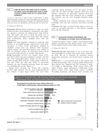
This study suggests that fatigue, joint pain, and light sensitivity are significant impacts for systemic lupus erythematosus patients, highlighting areas of unmet need in current treatment options.
4 citations
,
December 2017 in “Journal of zoo and wildlife medicine” This study proposes that seasonal alopecia and reproductive changes in six female fossas at the San Diego Zoo may be linked to hormonal changes associated with reproductive activity.
 451 citations
,
March 2005 in “Endocrine Reviews”
451 citations
,
March 2005 in “Endocrine Reviews” This paper discusses the role of steroid sulfatase in hormone-dependent tumors and highlights the development of potent inhibitors, noting the commencement of a phase I trial for one inhibitor in postmenopausal breast cancer patients.
January 2026 in “International Journal of Molecular Sciences” In this study, researchers identified S100a4 as a critical regulator of secondary hair follicle stem cells in cashmere goats, linking its expression to follicle regeneration and differentiation pathways, which may have implications for enhancing cashmere fiber production.