35 citations
,
December 2008 in “PubMed” In this study, researchers reported that specific immunoreactivity patterns observed in hair follicle stem cell markers suggest different origins for trichilemmoma, basal cell carcinoma, and squamous cell carcinoma in human skin tissues.
59 citations
,
September 2021 in “Journal of Allergy and Clinical Immunology” This study found IL-17/IL-36 signaling to be predominant in both endotypes of Netherton syndrome, with distinct molecular profiles between NS-ILC and NS-SE lesions, offering potential therapeutic targets.
 March 2026 in “Scientific Journal”
 This case study reported a 15-year-old girl with a nevus sebaceus of Jadassohn, where a secondary neoplasm potentially developed into either pigmented trichoblastoma or pigmented basal cell carcinoma, highlighting the importance of early recognition and evaluation of such lesions for effective management.
February 2019 in “American Journal of Dermatopathology” This study presents the first reported case of a collision tumor consisting of basal cell carcinoma and cutaneous leiomyosarcoma, emphasizing the need for pathologists to recognize such combinations.
January 2014 in “Journal of Jilin University” This study found that Th22 cells and their cytokine IL-22 may play an important role in the pathogenesis of systemic lupus erythematosus and could serve as bioindicators for monitoring disease severity.
 148 citations
,
April 2009 in “Molecular Pharmaceutics”
148 citations
,
April 2009 in “Molecular Pharmaceutics” This study reports that three synthesized PSMA-targeted radioimaging agents demonstrated high affinity and specific localization to prostate cancer tumors in a mouse model, highlighting their potential for cancer detection and monitoring.
June 2023 in “Dermatopathology” In this case report, researchers described a unique skin lesion in a 55-year-old woman, identifying it as folliculosebaceous cystic hamartoma with an unusual combination of spindle cell lipomatous and neural components, which had not been previously documented in such cases.
October 1991 in “Archives of Dermatology” This case report describes a 59-year-old woman with cicatricial alopecia and multiple skin lesions, including nodules and plaques, with biopsy results showing a lymphocytic infiltrate and collagen replacement.
 July 2025 in “Archives of Toxicology”
 The study introduced an advanced skin model, ImmuSkin-MT, which effectively distinguished between different strengths of skin sensitizers by mimicking the interaction of immune cells in skin tissue.
 March 2026 in “SKIN The Journal of Cutaneous Medicine”
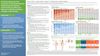
 This study demonstrated that litifilimab significantly reduced disease activity in cutaneous lupus erythematosus by Week 16, with improvements most notable in sunlight-exposed skin areas.
 May 2026 in “Zenodo (CERN European Organization for Nuclear Research)”
 This study constructed a consensus single-cell atlas for hidradenitis suppurativa tunnels, identifying distinct fibro-inflammatory microenvironments with potential drug targets, suggesting TNF blockade alone may not be effective for all lesion types.
5 citations
,
August 2000 in “Archives of Pathology & Laboratory Medicine” This case report describes an 89-year-old woman with a recurrent benign proliferating trichilemmal tumor on her back, highlighting its misdiagnosis as a sebaceous cyst and successful excision with free margins.
May 2025 in “Oral Sciences Reports” This case study reports that a 45-year-old woman developed a painless nodule in the lower lip four weeks after receiving hyaluronic acid filler, which required surgical removal, highlighting the potential for delayed complications from lip augmentation procedures.
 October 2023 in “Pediatric blood & cancer”
 This report discusses a potentially underdiagnosed form of multisystem Langerhans cell histiocytosis in infants, demonstrating the use of thymic sonography for staging, highlighting a case where thymic and cutaneous involvement was confirmed, and suggesting thymic ultrasound may aid in better diagnosis and management of LCH.
19 citations
,
September 2010 in “Journal of the European Academy of Dermatology and Venereology” This study found that while the CLASI is generally useful for assessing disease activity and damage in cutaneous lupus erythematosus, it may not accurately reflect all subtypes, indicating a need for revision.
 May 2026 in “Zenodo (CERN European Organization for Nuclear Research)”
 This study's new single-cell atlas of hidradenitis suppurativa tunnels identifies distinct fibro-inflammatory microenvironments, suggesting that TNF blockade may not address the primary pathway in many lesions.
 October 2010 in “International Journal of Dermatology”
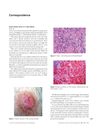
 An 86-year-old man with prostate cancer was diagnosed with a rare, low-grade breast cancer and underwent surgery but declined additional hormone therapy.
12 citations
,
April 2004 in “PubMed” This study reports the first known case of multiple type nevus lipomatosus cutaneous superficialis in a 10-month-old girl, with the unique feature of perifollicular fibrosis.
 44 citations
,
September 2019 in “The EMBO Journal”
44 citations
,
September 2019 in “The EMBO Journal” This study found that lymphatic vessels in mice are important for hair follicle development and organization, as their depletion blocks hair growth.
2 citations
,
January 2022 in “Indian dermatology online journal” This case report details the dermoscopic features of bilateral cutaneous larva migrans in an adult male, noting similarities with lymphangioma circumscriptum but highlights that typical dermoscopy magnification may be insufficient for diagnosis.
 April 2018 in “Journal of Investigative Dermatology”
 This study found that no patients with moderately dysplastic nevi with positive margins developed melanoma at the biopsy site, but those with a history of multiple nevi may have a higher risk of melanoma elsewhere.
 13 citations
,
November 2014 in “Clinics in Plastic Surgery”
13 citations
,
November 2014 in “Clinics in Plastic Surgery” This article reviews the use of the transtemporal approach for midface and lower eyelid-cheek junction rejuvenation, detailing surgical techniques, post-operative care, and potential complications, but reports no new clinical results.
 September 2022 in “Research Square (Research Square)”
 This study reports that hydrocolloid wound dressings emit energy capable of delaying evaporation in a potassium ferricyanide solution surrounding a hair follicle.
 3 citations
,
August 2021 in “Uro”
3 citations
,
August 2021 in “Uro” This review concludes that global literature supports the lipidosterolic extract of Serenoa repens as efficacious and safe for treating lower urinary tract symptoms, with some studies showing equivalence to common pharmacologic agents.
 37 citations
,
September 2008 in “The American journal of surgical pathology”
37 citations
,
September 2008 in “The American journal of surgical pathology” This study concluded that hair follicle hyperplasia found in pseudolymphomatous folliculitis can also occur in genuine cutaneous lymphomas, potentially as a coincidental result of underlying pathological processes.
3 citations
,
March 2019 in “American Journal of Dermatopathology” This case report presents the first documented instance of basal cell carcinoma and cutaneous leiomyosarcoma occurring as a collision neoplasm in the same biopsy specimen.
 9 citations
,
May 1989 in “Journal of the Royal Society of Medicine”
9 citations
,
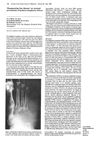
May 1989 in “Journal of the Royal Society of Medicine” An elderly woman's swollen, painful foot was found to be caused by a rare type of bone lymphoma, which improved with radiation treatment.
 13 citations
,
October 2020 in “Journal of Neural Transmission”
13 citations
,
October 2020 in “Journal of Neural Transmission” In this study, CD34-positive progenitor cells in irradiated salivary glands were observed to potentially aid in blood vessel formation and remodeling, suggesting their role in tissue healing after radiotherapy.
January 2015 in “OpenBU/Boston University Institutional Repository (Boston University)” This study reported that NRP2 expression in melanocytes and melanocyte stem cells is linked to migration inhibition and potentially melanoma progression, suggesting its role as a target for understanding melanoma and hair follicle biology.
1 citations
,
January 2021 in “Journal of the American Academy of Dermatology” This study found that bullous lupus erythematosus lesions in cutaneous lupus erythematosus showed distinctive histopathology with neutrophilic predominance and were associated with severe disease and higher extracutaneous involvement.