1 citations
,
July 2021 in “Acta dermatovenerologica Croatica” This case report describes regression of hidradenitis suppurativa lesions in two patients after 16 weeks of adalimumab treatment.
4 citations
,
January 2017 in “Acta dermato-venereologica” A new EDA gene mutation was found in a Chinese family with a specific skin disorder.
1 citations
,
April 2007 in “The FASEB Journal” In this study, D6D knockout mice showed severe deficiency in AA and DHA, leading to unexpected effects on skin health, fertility, and immune cell development.

This study explores the expression and function of 11β-HSD1 in human hair follicles and its potential regulation of glucocorticoid effects on dermal papilla cells, but reports no definitive findings on 11β-HSD1's role.
January 2004 in “DOAJ (DOAJ: Directory of Open Access Journals)” This study found no elevation of serum DHEA-S levels in men with androgenetic alopecia and observed no correlation between DHEA-S levels and the clinical stage of the condition.
 2 citations
,
July 2015 in “Archives of Dermatological Research”
2 citations
,
July 2015 in “Archives of Dermatological Research” This study reports the first familial case of alopecia linked to a novel homozygous variant in the DSP gene, which did not coincide with heart abnormalities despite prior associations.
 22 citations
,
January 2015 in “The Cochrane library”
22 citations
,
January 2015 in “The Cochrane library” This review found no evidence that DHEA improves quality of life or decreases menopausal symptoms in peri- and postmenopausal women, but it may slightly enhance sexual function compared to placebo.
2 citations
,
January 1975 in “Archives of Dermatological Research” Certain enzymes react strongly with some hormones in rat skin during hair growth, mainly in sebaceous glands and hair sheaths.
35 citations
,
June 2011 in “British Journal of Dermatology” This study found that in an Italian population, the HLA-DQB1*03 allele was associated with increased susceptibility to alopecia areata, particularly in cases with more than 50% hair loss.
September 2025 in “JCEM Case Reports” In this case report, a 46-year-old woman initially diagnosed with 21-hydroxylase deficiency congenital adrenal hyperplasia was later identified as having 3β-HSD2 deficiency after further investigation, highlighting the need for awareness of rarer CAH forms to prevent delayed diagnosis and insufficient treatment.
In a case report, this study identified a new genetic variant in a six-year-old girl from Saudi Arabia with hypotrichosis and juvenile macular dystrophy, expanding the understanding of the genetic spectrum of this rare condition in the region.
 36 citations
,
January 2019 in “Nature communications”
36 citations
,
January 2019 in “Nature communications” This study found that Ldh activity in hair follicle stem cell-mediated squamous cell carcinoma is not necessary for tumorigenesis, as its modulation did not affect the cancer's development or characteristics.
 December 2025 in “Molecules”
 This study found that the 15-PGDH inhibitor DPP improved endothelial function in hair-related cells exposed to DHT by reducing oxidative stress and enhancing angiogenic capacity.
May 2026 in “European Cells and Materials” In this study, researchers developed a novel delivery system using hyaluronic acid gels to encapsulate Huperzine A for Alzheimer's treatment, achieving extended release over 20 days and significantly improving pathology and behavior in mice, including enhanced memory and reduced neuroinflammation.
1 citations
,
April 2016 in “Journal of Investigative Dermatology” Patients with Focal Dermal Hypoplasia often experience skin, nail, hair, and bone issues, and may benefit from calcium and vitamin D supplements.
50 citations
,
February 2004 in “Genomics” This study identified a missense mutation in the rat Desmoglein 4 gene, causing abnormal hair shaft development in lanceolate hair mutant rats by disrupting a critical calcium binding site.
11 citations
,
December 2013 in “Clinical and experimental dermatology” This study reports a case of a child with congenital skin fragility, alopecia, and cardiomyopathy due to compound heterozygous mutations in the DSP gene causing desmoplakin deficiency.
April 2017 in “Plastic & Reconstructive Surgery Global Open” This study suggests that while hyaluronan production by Has2 is not necessary for reepithelization, it plays a crucial role in collagen matrix reorganization during wound healing.
 September 2017 in “Journal of Investigative Dermatology”
 This study found that hyaluronic acid increased the size and cell proliferation of mixed aggregates in a 3D culture model, indicating its role in human hair follicle germ-like structure formation without enhancing dermal papilla cell markers.
3 citations
,
December 2020 in “Skin Appendage Disorders” This case report highlights a family member with a confirmed diagnosis of hypotrichosis with juvenile macular dystrophy due to a CDH3 gene mutation, emphasizing the importance of genetic testing for accurate counseling.
 30 citations
,
June 2016 in “Journal of Human Genetics”
30 citations
,
June 2016 in “Journal of Human Genetics” This study found pathogenic mutations in genes EDA, EDA1R, and EDARADD in 101 out of 124 hypohidrotic ectodermal dysplasia patients, revealing 23 novel mutations and indicating genetic variability.
February 2023 in “Archives of Dermatological Research” This study found that despite challenges, a combination of oral antibiotics, anti-androgens, oral retinoids, biologics, and surgery were important in managing hidradenitis suppurativa in patients with intellectual and developmental disabilities.
 9 citations
,
March 2018 in “Actas Dermo-Sifiliográficas”
9 citations
,
March 2018 in “Actas Dermo-Sifiliográficas” This study found that the Spanish version of the Hair Specific Skindex 29 (HSS29) is a reliable and valid tool for assessing the quality of life impact of female androgenetic alopecia.
 43 citations
,
August 2010 in “Expert Opinion on Investigational Drugs”
43 citations
,
August 2010 in “Expert Opinion on Investigational Drugs” This review explores the potential of selective 11β-HSD1 inhibitors to improve insulin sensitivity in type 2 diabetes, emphasizing the need for more clinical research and reports no new clinical results.
April 2023 in “Journal of Investigative Dermatology” CD206+ macrophages are crucial for hair growth in alopecia areata treatment.
 24 citations
,
September 2018 in “Journal of Materials Science: Materials in Medicine”
24 citations
,
September 2018 in “Journal of Materials Science: Materials in Medicine” In this study using rabbits, HA2 hydrogels made from cross-linked hyaluronic acid and polysaccharide promoted wound healing better than other treatments, reducing inflammation and scar formation.
 May 2025 in “The Journal of Rheumatology”
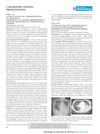
 This case report highlights a rare instance of diffuse alveolar hemorrhage in a patient with catastrophic antiphospholipid syndrome, emphasizing the importance of early recognition and multidisciplinary management.
 January 2023 in “Journal of The American Academy of Dermatology”
 This letter discusses the emergence of the dermatology hospitalist model and reports no new clinical outcomes; single institution studies suggest these services may enhance diagnostic accuracy and decrease readmissions.
 April 2012 in “Journal of IMAB”
 This study found no correlation between clinical stages of androgenetic alopecia and serum DHEA-S levels in men, contrasting with previous studies suggesting elevated levels.

This study showed that exosomes from hyaluronic acid-primed induced mesenchymal stem cells promote hair growth by enhancing proliferation and migration of hair follicle dermal papilla cells and modulating key growth factors and signaling pathways, potentially counteracting the effects of DHT-induced hair loss.