 21 citations
,
January 2013 in “Clinical Endoscopy”
21 citations
,
January 2013 in “Clinical Endoscopy” This study reports the first case in South Korea of Cronkhite-Canada syndrome associated with malignant colon polyp and serrated adenoma.
 7 citations
,
January 2015 in “Case reports in genetics”
7 citations
,
January 2015 in “Case reports in genetics” This case report illustrates how SNP array testing helped identify a DCAF17 mutation linked to Woodhouse-Sakati syndrome in consanguineous Qatari siblings with shared features including alopecia and hypogonadotropic hypogonadism.
 199 citations
,
April 2010 in “Nature”
199 citations
,
April 2010 in “Nature” A gene called APCDD1, which controls hair growth, is found to be faulty in a type of hair loss called hereditary hypotrichosis simplex.
68 citations
,
August 2009 in “American Journal of Medical Genetics Part A” This study systematically reviewed clinical findings in trichothiodystrophy patients and suggested a new clinico-genetic classification to help better understand the ichthyotic phenotype and its management.
October 2013 in “The American Journal of Gastroenterology” This case study reports a diagnosis of the rare Cronkhite-Canada syndrome in a 60-year-old man, who showed symptom improvement following treatment with prednisone and azathioprine.
 August 2013 in “Gastroenterology”
 This case report highlights a 60-year-old patient's diagnosis with Cronkhite-Canada syndrome, characterized by gastrointestinal polyps, diarrhea, weight loss, brittle nails, alopecia, and skin changes, which showed improvement with treatment.
October 2025 in “Cell Death and Disease” In this study, researchers developed two novel mouse models to investigate how CD271 deletion in keratinocytes affects skin homeostasis, finding that it leads to changes resembling dysplastic skin conditions with immune cell recruitment and inflammatory cytokine release.
 September 2025 in “Experimental & Molecular Medicine”
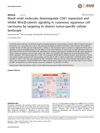
 This study observed that the small molecules KY19382 and KY19334 inhibited cancerous traits in human cutaneous squamous cell carcinoma cells by suppressing the Wnt/β-catenin pathway, indicating their potential as treatments for cancers involving CDK1 overexpression and diseases related to CXXC5 accumulation.
March 2026 in “Journal of Investigative Dermatology” Genetic factors, especially PADI3 gene variants, contribute to CCCA in women of African descent.
 December 2022 in “Gastroenterology”
 This report describes a case of Cronkhite-Canada syndrome diagnosed in a 54-year-old man with symptoms including gastrointestinal polyps, alopecia, skin hyperpigmentation, and severe diarrhea, who experienced significant symptom improvement with azathioprine.
11 citations
,
November 2011 in “The Journal of Dermatology” This case report highlights the association of three CX26 gene mutations, particularly the D50N mutation, with keratitis–ichthyosis–deafness syndrome and its potential role in scalp squamous cell carcinoma and breast cancer development in a patient.
 3 citations
,
March 2019 in “Case Reports”
3 citations
,
March 2019 in “Case Reports” This report highlights a case of possible association between myotonic dystrophy type 1 and basal cell carcinoma, urging clinicians to consider this link despite negative genetic testing for known hereditary BCC syndromes.
15 citations
,
October 2012 in “Journal of child neurology” In this study, two unrelated Honduran patients with Sjögren-Larsson syndrome had the same genetic mutation but displayed different disease severities, suggesting that factors beyond the ALDH3A2 mutation influence clinical outcome.
September 2012 in “대한피부과학회지” In this study, Dsc 1 was highly expressed in certain layers of fetal epidermis and hair follicle but not in basal cells or oral mucosa, indicating its potential role in maintaining epithelial integrity.
10 citations
,
January 1997 in “Dermatology” This case report details two siblings with trichothiodystrophy, identifying reduced hair sulfur content as essential for diagnosis despite varied symptoms complicating recognition.
3 citations
,
December 2013 in “Balkan Journal of Medical Genetics” This case report highlights the use of microarray analysis to identify cryptic chromosomal rearrangements in a young woman with intellectual disability and multiple congenital anomalies.
 April 2019 in “The journal of investigative dermatology/Journal of investigative dermatology”
 In this study, researchers found that CCCA in women of African descent is associated with molecular changes, including dysregulation of fatty acid metabolism and fibrosis pathways, suggesting potential targets for new treatments.
2 citations
,
January 2014 in “Case Reports in Clinical Medicine” This case study presents an 81-year-old woman diagnosed with Cronkhite-Canada syndrome and discusses the importance of recognizing its clinical and histopathological features for timely and accurate diagnosis.
 January 2024 in “Wiadomości Lekarskie”
 In this study, a child's diagnosis of Silver-Russell syndrome was confirmed through phenotype data, genetic testing, and the exclusion of other developmental conditions, revealing a need for a multidisciplinary care approach.
 3 citations
,
May 2022 in “The journal of investigative dermatology/Journal of investigative dermatology”
3 citations
,
May 2022 in “The journal of investigative dermatology/Journal of investigative dermatology” In this study, researchers found that skin pigmentation alterations in a mouse model of Carney complex may be caused by specific dermal fibroblasts promoting melanogenic signaling.
 19 citations
,
May 2004 in “The American Journal of Dermatopathology”
19 citations
,
May 2004 in “The American Journal of Dermatopathology” In this study, scalp biopsies from HJMD patients revealed histological similarities to chronic telogen effluvium and highlighted the role of CDH3 mutations disrupting normal hair cycles.
 97 citations
,
March 2002 in “Molecular and cellular biology”
97 citations
,
March 2002 in “Molecular and cellular biology” This study found that mice with a mutant CDP/Cux protein lacking the homeodomain showed severely impaired growth, high postnatal mortality, and reduced fertility, highlighting CDP/Cux's role in developmental regulation.
December 2024 in “European journal of medical research” This study suggests that the NCSTN knockout mouse could serve as an HS animal model, with tamoxifen potentially used for gene deletion in mice.
7 citations
,
April 2020 in “JIMD Reports” In this follow-up of three siblings with ATP6AP1 deficiency, the researchers observed progression to total hearing loss, hair loss, and proteinuria.
January 2018 in “Journal of Investigative Dermatology” This quiz article provides a series of dermatological diagnosis questions based on a Journal of Investigative Dermatology article and includes explanations but reports no original research findings.
 November 2025 in “PubMed”
 This study identified nine pathogenic variants in the PADI3 gene, and variants in the S100A3 and TCHH genes, which may disrupt protein function and contribute to central centrifugal cicatricial alopecia.
7 citations
,
November 1997 in “Pediatric Dermatology” This case report identifies an association between trichothiodystrophy and a urologic malformation with primary hypercalciuria, adding to the spectrum of TTD-related abnormalities.
 December 2021 in “Molecular genetics and genomics”
 This study found that two unrelated domestic shorthair cats had novel DSG4 gene mutations causing defective hair shafts, representing the first report of pathogenic DSG4 variants in domestic animals.

This study suggests that targeting the increased expression of SIX1 in systemic sclerosis may be a viable strategy for addressing dermal fibrosis.
13 citations
,
June 2024 in “Frontiers in Genetics” This review examined genetic factors in 46, XY differences/disorders of sex development and found that whole-exome sequencing is more effective than panel sequencing for molecular diagnosis. It identified regional genetic variation and emphasized next-generation sequencing's role in detecting variants related to gonadal and androgen-related genes.