In this study of mouse hair follicles, Raptor was specifically expressed in hair follicle stem cells, while Rictor was mainly found in inner root sheath cells, indicating distinct roles in hair growth stages.
 9 citations
,
January 2008 in “Acta histochemica et cytochemica”
9 citations
,
January 2008 in “Acta histochemica et cytochemica” This study found that COX-2 expression in normal rat skin is linked to the hair cycle, with varying levels observed in different skin structures during anagen, catagen, and telogen phases.
 July 2024 in “Journal of Integrative Plant Biology”
 This study found that soybean plants maintain root hair growth under phosphate deficiency by using two vacuolar Pi efflux transporters, GmVPE1 and GmVPE2, to remobilize stored Pi, with the process regulated by the GmRSL2 transcription factor.
January 2025 in “Fìzìologìčnij žurnal” This study found that in patients with elevated fibrinogen levels undergoing revision rhinoplasty, PDRN decreased M1 cytokines and increased M2 cytokines, potentially offering a new therapeutic approach, but further research is needed to understand its mechanisms and effects fully.
This study found that activation of delta-opioid receptors in keratinocytes may delay the expression of the PER2 gene, suggesting a possible link to cancer development through circadian rhythm disruption.
 August 2008 in “European Neuropsychopharmacology”
 RY-023, a specific drug, can improve early stage memory learning without affecting general activity in rats, but it's less effective for later learning stages and doesn't impact memory recall.
 6 citations
,
March 2016 in “PLoS ONE”
6 citations
,
March 2016 in “PLoS ONE” This study characterized hair from a patient with a ribosomopathy and identified distinct differences, including reduced hair thickness and lipid content, compared to family members.

This study identified a genetic locus associated with rhabdomyosarcoma susceptibility in mice and found that specific differentiation markers are linked to the regression of basal cell carcinoma.
 January 2010 in “Yearbook of Endocrinology”
 Two new compounds can block androgen receptor activity in different ways and may lead to new treatments for androgen-related diseases.
April 2025 in “Molecular Biology Reports” In this study, researchers found that DNMT1-mediated methylation of SRD5A2 in urethral epithelial cells from hypospadias-afflicted rats upregulates proteins associated with cell cycle and mitochondrial function, suggesting SRD5A2 as a potential therapeutic target for hypospadias due to its role in modulating cellular functions.
 60 citations
,
August 2008 in “Human molecular genetics online/Human molecular genetics”
60 citations
,
August 2008 in “Human molecular genetics online/Human molecular genetics” This study suggests that a position effect disrupting TRPS1 expression may be linked to hypertrichosis in both Ambras syndrome in humans and a similar phenotype in Koa mice.
232 citations
,
January 2002 in “Mechanisms of development” This study reports that the differential expression patterns of three retinaldehyde dehydrogenases suggest a regulated need for retinoic acid synthesis in various organs during late mouse organogenesis.
June 2010 in “Chinese Journal of Dermatology” This study found a novel R430Q gene mutation in hHb6, which may be linked to the hereditary hair disorder monilethrix in the examined family.
 4 citations
,
January 2014 in “RSC Advances”
4 citations
,
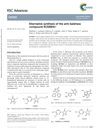
January 2014 in “RSC Advances” A new, less toxic and more efficient method to create the anti-baldness compound RU58841 was developed in 2014.
 37 citations
,
April 2010 in “FEBS Letters”
37 citations
,
April 2010 in “FEBS Letters” In this study, researchers reported that the activation of EDA2R by p53 leads to p53-dependent cell death in cancer cells and is involved in chemotherapy-induced hair loss.
 6 citations
,
February 2025 in “Scientific Reports”
6 citations
,
February 2025 in “Scientific Reports” This study found that MEGA PROTAC improved the prediction of ternary structures with higher maximum DockQ scores compared to the BOTCP method in 16 out of 22 test cases.
2 citations
,
September 2016 in “Journal of Dermatological Science” Reduced TRPS1 leads to increased STAT3 and SOX9 in hair follicles, affecting hair growth.
 1 citations
,
January 1995 in “Journal of Investigative Dermatology”
1 citations
,
January 1995 in “Journal of Investigative Dermatology” RU58841, a substance from France, can potentially block the effects of hormones that cause hair loss and excessive hair growth, performing better than a similar substance, cyproterone acetate.
13 citations
,
January 2015 in “Steroids” This study generated a pharmacophoric model for both isoforms of steroidal 5α-reductase using 6-azasteroids, providing a structural framework for designing new inhibitors.
35 citations
,
March 2013 in “American Journal of Medical Genetics Part B Neuropsychiatric Genetics” This study found that a genetic variation in SRD5A2 influences the severity of PTSD symptoms in a sex-specific manner among traumatized African-American males.
 39 citations
,
April 2018 in “Hormones”
39 citations
,
April 2018 in “Hormones” This review suggests that most mutations in the SRD5A2 gene show no clear genotype-phenotype correlation in 5-α-Reductase deficiency, although mutation location affects severity.
2 citations
,
October 2023 in “Philosophical Transactions of the Royal Society B Biological Sciences” This study identified novel isoforms of the PADI2 and PADI3 proteins, showing that PADI2β inhibits oligodendrocyte differentiation, possibly by opposing the effect of canonical PADI2, while PADI3β modulates the activity of PADI3α, suggesting new regulatory mechanisms of citrullination in tissue development.
36 citations
,
July 2017 in “Journal of controlled release” In this study, a new formulation of all-trans retinoic acid bound to polyvinyl alcohol showed reduced skin inflammation and sustained drug release for up to six days compared to free ATRA in vitro and in vivo.
 20 citations
,
September 2005 in “Endocrinology”
20 citations
,
September 2005 in “Endocrinology” This study identified novel selective androgen receptor modulators with enhanced in vivo pharmacological activity through structure-activity relationship analysis in castrated rats.
 March 2011 in “European Urology Supplements”
 Gene variation affects prostate issues and hair loss.
 April 2026 in “Human Genome Variation”
 In this study, researchers identified a recurrent MBTPS2 splice-site variant as a mutational hotspot in IFAP syndrome across diverse families, with phenotype severity suggesting the influence of additional modifiers.
March 2026 in “Bioengineering & Translational Medicine” This study reported that a modified version of Thymosin beta 4, called PEG-rTβ4, demonstrated potential as a treatment for acute myocardial infarction by improving cardiac function and reducing cell death via specific biochemical pathways, suggesting its promise in drug development efforts.
 February 2025 in “International Journal of Molecular Sciences”
 This study found that melatonin may enhance hair follicle stem cell viability by downregulating the nuclear receptor RORA, which otherwise inhibits cell proliferation and promotes apoptosis.
This study found that in early retinal neurogenesis in mice, the transcription factor Lhx2 regulates Sonic Hedgehog signaling by controlling expression of pathway genes like the co-receptors Gas1 and Cdon.
This study found that inhibiting mTORC2 in glioblastoma cells reduced DNA repair and increased apoptosis, highlighting its potential role in cancer cell survival and DNA damage response.