1 citations
,
January 2019 in “Pan African Medical Journal” This case report describes a 30-year-old woman with keratosis pilaris treated with emollients and keratolytics, resulting in slight improvement.
May 2026 in “Frontiers in Medicine” This study describes a patient with Rothmund–Thomson syndrome-like symptoms who displayed hair improvement after combination therapy, despite carrying an ANAPC1 gene variant of uncertain significance.
67 citations
,
January 1997 in “Lancet” This article discusses the causes of hirsutism, identifying increased androgen production and heightened skin sensitivity, and provides no new clinical results.
December 2025 in “Zenodo (CERN European Organization for Nuclear Research)” In this article, the authors discuss Ayurvedic concepts and treatments for Indralupta (Alopecia Areata), highlighting a case successfully managed with Ayurvedic medicine, while contrasting it with modern therapies like corticosteroids and immunosuppressants, which have significant side effects.
May 2025 in “Journal of the European Academy of Dermatology and Venereology” This study observed that early treatment with ritlecitinib in patients with alopecia areata, especially when severity is low, led to more favorable responses, and continued improvement was seen up to 24 months, offering guidance on treatment timing and duration.
 March 2020 in “Section 5: Patient safety and quality assurance”
 This study found that tofacitinib and baricitinib had an acceptable adverse reaction profile when used to treat rheumatoid arthritis, with similar side effects to those described in their technical data sheets.
This meta-analysis reports that ritlecitinib significantly improved hair growth in alopecia areata patients compared to placebo, although its potential requires further clinical exploration.
17 citations
,
October 2024 in “Journal of the American Academy of Dermatology” In this study, brepocitinib was found to significantly reduce inflammatory biomarker CCL5 expression and improve clinical severity by week 24, while maintaining a favorable safety profile.
This study retrospectively evaluated the effectiveness of off-label baricitinib in children with severe alopecia areata and found that 50% achieved treatment goals, though psychological effects were noted and laboratory abnormalities occurred in 42.86% of patients.
 26 citations
,
December 1981 in “British journal of dermatology/British journal of dermatology, Supplement”
26 citations
,
December 1981 in “British journal of dermatology/British journal of dermatology, Supplement” This study observed that most hirsute patients on combined cyproterone acetate and 'Diane' therapy experienced a reduction in hair growth, with hair becoming softer, thinner, and lighter in color over 12 months.
 October 2023 in “Journal of the European Academy of Dermatology and Venereology”
 In this study, a Delphi survey among 441 European dermatology patients identified psychological impacts as the most significant issues affecting their lives, underscoring the need for psychological support in managing dermatological diseases.
 November 2025 in “Journal of Saidu Medical College Swat”
 In this case report, a 2.5-year-old boy with biotinidase deficiency, initially misdiagnosed due to overlapping symptoms, showed dramatic improvement in several clinical areas after starting biotin supplementation, but persistent sensorineural hearing loss underscored the importance of early diagnosis for preventing irreversible complications.
 March 2026 in “American Journal of Clinical Dermatology”
 In this study, ritlecitinib 50 mg produced clinically meaningful improvements in scalp hair regrowth over three years for patients aged 12 and older with severe alopecia areata, with 65.1% showing substantial hair regrowth and 31.2% achieving complete regrowth, while also maintaining a consistent safety profile.
 5 citations
,
February 2024 in “Clinical Pharmacokinetics”
5 citations
,
February 2024 in “Clinical Pharmacokinetics” This study found that modeling and simulation effectively informed decision-making and dose selection for ritlecitinib in treating alopecia areata, supporting an accelerated drug development strategy.
 38 citations
,
June 2018 in “Plant & cell physiology/Plant and cell physiology”
38 citations
,
June 2018 in “Plant & cell physiology/Plant and cell physiology” This study found that overexpressing PLC5 in Arabidopsis thaliana reduced root growth but improved drought tolerance, and suggests PIP2 is crucial for root hair growth.
This study found that men with early-onset androgenic alopecia may be partially resistant to the cardiometabolic benefits of bromocriptine compared to those with normal hair growth.
38 citations
,
September 2017 in “Journal of zoo and wildlife medicine” This study describes the successful management of Andean bear alopecia syndrome in three female bears using oclacitinib, leading to rapid pruritus resolution and fur regrowth without adverse effects.
April 2026 in “Journal of Ethnopharmacology”  22 citations
,
April 2013 in “Dermatologic surgery”
22 citations
,
April 2013 in “Dermatologic surgery” In this study, daily application of bimatoprost 0.03% ophthalmic solution for 9 months significantly improved eyebrow appearance in individuals with mild to moderate eyebrow hypotrichosis, without observed side effects.
 3 citations
,
June 2022 in “European journal of human genetics”
3 citations
,
June 2022 in “European journal of human genetics” This study reports the first cases of recessive KRT17-related pachyonychia congenita involving all ectodermal derivatives in seven members of two consanguineous Pakistani families.
December 2011 in “Thorax” In this study, researchers reported that individuals from iodine-deficient regions have an increased risk of developing hypothyroidism from MDR-TB treatment regimens containing PAS and/or Prothionamide.
July 2025 in “Clinical Case Reports” In this case report, a 17-year-old male with a specific TRPS1 gene mutation presented with sparse, soft hair, short thumbs and toes, misaligned teeth, and distinctive bone abnormalities in the fingers and toes as observed through X-ray analysis.
 April 2016 in “Journal of the American Academy of Dermatology”
 This study found that in a tertiary academic institution, nearly 1 in 5 dermatology consults were for drug-related skin reactions, with antibiotics frequently identified as the culprits.
 December 2023 in “JEADV. Journal of the European Academy of Dermatology and Venereology/Journal of the European Academy of Dermatology and Venereology”
 Many women in Turkey have hirsutism, according to the research group's findings.
55 citations
,
May 1985 in “Archives of Dermatology” This study found that alopecia in four children was linked to severe calcitriol-resistant rickets, suggesting this condition should be considered among inherited hair growth disorders.
1 citations
,
April 2008 in “Progrès en Urologie” Systematic end-of-trial biopsies are the most reliable way to assess outcomes.
 1 citations
,
December 2018 in “Journal of genetic medicine”
1 citations
,
December 2018 in “Journal of genetic medicine” In this case report, a 20-year-old male with tricho-rhino-phalangeal syndrome was found to have a de novo frameshift mutation in the TRPS1 gene, highlighting the challenges in diagnosing this rare disorder.
November 2023 in “SKIN The Journal of Cutaneous Medicine” This study assessed ritlecitinib's effects on sustained hair regrowth in patients with alopecia areata who showed improvement at 24 weeks, confirming ongoing benefits through 48 weeks for scalp, eyebrow, and eyelash hair regrowth in this post hoc analysis.
 1 citations
,
July 2025 in “SKIN The Journal of Cutaneous Medicine”
1 citations
,
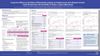
July 2025 in “SKIN The Journal of Cutaneous Medicine” In this study, ritlecitinib 50-mg showed clinically meaningful efficacy, with improvements in the Severity of Alopecia Tool score observed in patients with alopecia areata over a 3-year period, demonstrating long-term benefit in both clinician- and patient-reported outcomes.
13 citations
,
July 2004 in “Pediatric dermatology” This case study describes a 9-year-old boy with monilethrix and associated abnormalities, suggesting a new, severe autosomal recessive variant termed "monilethrix syndrome.