1 citations
,
May 2025 in “The Journal of Dermatology” In this study, increased Treg cell activity indicated by IL-10 and IL-15 was identified as a feature of ADTA, distinguishing it from AA and potentially explaining ADTA's more favorable prognosis.
 110 citations
,
August 2015 in “Neuropsychopharmacology”
110 citations
,
August 2015 in “Neuropsychopharmacology” In this study, high-dose dutasteride significantly reduced several core symptoms of PMDD compared to placebo, supporting the role of neurosteroids in this condition.
January 2023 in “Indian Dermatology Online Journal” This case report identifies a 23-year-old man with congenital triangular alopecia, a non-scarring alopecia characterized by preserved follicles and vellus hair, for which unnecessary interventions should be avoided.
8 citations
,
December 2017 in “Small Ruminant Research” This study reports that variation in the ovine TCHH gene may influence wool fibre curvature, with specific gene variants affecting the mean fibre curvature in sheep.
 August 2024 in “International Journal of Science and Research (IJSR)”
 In this study, 10 men with androgenetic alopecia who did not respond to standard treatments showed significant hair regrowth and satisfaction after being treated with polydioxanone scalp threads, suggesting a potential therapeutic advantage for this approach.
 7 citations
,
January 2014 in “Case reports in pediatrics”
7 citations
,
January 2014 in “Case reports in pediatrics” This report discusses a case of hair toe tourniquet syndrome in an infant and emphasizes the importance of early diagnosis and treatment to prevent severe complications.
46 citations
,
October 2012 in “Seminars in reproductive medicine” This review describes how recent discoveries in genetic defects and alternative pathways in androgen biosynthesis are reshaping our understanding of male sexual differentiation, but it presents no new clinical findings.
 August 2022 in “Archives of pediatric surgery”
 This article reviews cultural differences in the incidence of hair-thread tourniquet syndrome and finds it may be less prevalent in Iranian children compared to Europe, possibly due to social and cultural factors.
 21 citations
,
April 2015 in “Psychology Research and Behavior Management”
21 citations
,
April 2015 in “Psychology Research and Behavior Management” This review evaluates various cognitive-behavioral interventions for trichotillomania but does not report new clinical findings, highlighting the need for further research on their efficacy.
 26 citations
,
September 2018 in “Neurobiology of Disease”
26 citations
,
September 2018 in “Neurobiology of Disease” This study found that both finasteride and dutasteride significantly reduced L-DOPA-induced dyskinesia in a rat model of Parkinson's disease, with dutasteride showing greater effectiveness at lower doses.
 3 citations
,
May 2025 in “Cell Death and Disease”
3 citations
,
May 2025 in “Cell Death and Disease” This study found that METTL1 is upregulated in papillary thyroid cancer tissues and promotes cancer cell proliferation and metastasis through its tRNA methyltransferase activity.
 77 citations
,
January 1980 in “Carcinogenesis”
77 citations
,
January 1980 in “Carcinogenesis” This study found that TPA was significantly more effective than mezerein in inducing dark basal keratinocytes in mouse skin, which may be important in early tumor promotion stages.
 1 citations
,
October 2022 in “International journal of endocrinology”
1 citations
,
October 2022 in “International journal of endocrinology” This study found that dihydrotestosterone treatment in female rats altered anterior pituitary gland gene expression, with significant repression of prolactin and inhibition of GnRH receptor gene expression, suggesting specific hormone production changes.
December 2024 in “Journal of Investigative Dermatology” The conference highlighted new treatments and research in pediatric skin conditions, emphasizing collaboration and innovation.
58 citations
,
May 2004 in “British Journal of Dermatology” This study found that topical immunotherapy affects angiogenesis and immune cell ratios in the scalp, potentially offering insights into the mechanisms underlying alopecia areata.
 July 2021 in “Advances in laboratory medicine”
 This article reviews differential diagnosis approaches for 46,XY DSD, proposing a diagnostic algorithm focused on biochemical and genetic data, without presenting new clinical results.
 April 2016 in “Journal of Investigative Dermatology”
 This study found that the peptide derivative beta-Ala-Pro-Dab-NHbenzyl may reduce wrinkles and sebum production in human skin by inhibiting dipeptidyl peptidase 4, suggesting potential for acne and skin inflammation treatment.
August 2025 in “Journal of the American Academy of Dermatology”  August 2023 in “MPPKI (Media Publikasi Promosi Kesehatan Indonesia) : The Indonesia journal of health promotion”
 In this study, researchers used a UV-Vis Spectrophotometer to qualitatively and quantitatively analyze Dutasteride residues in human plasma, achieving a total recovery rate of 64.992%, and determined that the BTB reagent effectively selected compounds not analyzed in their research.
 21 citations
,
January 2005 in “Pediatric Dermatology”
21 citations
,
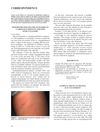
January 2005 in “Pediatric Dermatology” An 8-year-old girl with vitiligo developed extra hair growth on her knee after using tacrolimus ointment.
3 citations
,
February 2013 in “Actas dermo-sifiliográficas/Actas dermo-sifiliográficas” A 6-year-old boy developed excessive hair growth after taking diazoxide for low blood sugar.
119 citations
,
November 2016 in “American journal of human genetics” This study reports the discovery of mutations in the PADI3, TGM3, and TCHH genes as molecular genetic causes of uncombable hair syndrome in children, indicating an autosomal-recessive inheritance pattern.
January 2020 in “International Journal of Trichology” This study reported that platelet-rich plasma injections led to only temporary improvement in vellus hair characteristics in temporal triangular alopecia, suggesting it may not be an effective long-term treatment.
84 citations
,
August 1991 in “British Journal of Dermatology” This study found that 67% of children treated with diphencyprone for alopecia areata or alopecia totalis regrew scalp hair, with 33% achieving complete regrowth.
33 citations
,
June 2007 in “Gene Expression Patterns” This study found that CTIP2 is highly expressed in mouse skin during embryogenesis and adulthood, suggesting it may play a role in skin development and homeostasis.
 13 citations
,
January 2011 in “International Journal of Trichology”
13 citations
,
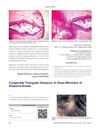
January 2011 in “International Journal of Trichology” CTA is often mistaken for AA but doesn't respond to steroids and may require hair transplantation.
 19 citations
,
June 2018 in “Breast Cancer Research and Treatment”
19 citations
,
June 2018 in “Breast Cancer Research and Treatment” This study found that adjuvant docetaxel treatment for breast cancer at cumulative doses of 400 mg/m² or higher is associated with a 10% prevalence of persistent alopecia leading to wig use, but this was completely prevented with scalp cooling.
 6 citations
,
May 2008 in “Current Opinion in Oncology”
6 citations
,
May 2008 in “Current Opinion in Oncology” This review covers recent advances in prostate cancer risk assessment, diagnosis, and treatment but does not report new clinical results; further studies on androgen deprivation therapy's cardiovascular risks are particularly noted.
13 citations
,
July 2016 in “Indian Journal of Dermatology” This report describes two Saudi brothers with dermatopathia pigmentosa reticularis who exhibited normal hair shafts despite their condition.
 July 2024 in “New Phytologist”
 This study suggests that the transcription factor PDF2 in Arabidopsis may link lipid sensing with growth responses to phosphate starvation by acting as a sensor for lyso-PCs through its START domain.