December 2025 in “Animals” In this study on fine-wool sheep, researchers found that overexpressing the TGFBR1 gene decreased proliferation of dermal papilla cells by influencing multiple signaling pathways, suggesting TGFBR1 as a negative regulator in hair follicle development.
4 citations
,
January 1994 in “Current Opinion in Endocrinology & Diabetes” This review discusses multiple physiological roles of parathyroid hormone-related protein, such as cartilage mineralization and hair follicle regulation, and reports no new experimental results.
7 citations
,
January 2017 in “International Journal of Trichology” This case report describes a unique occurrence of plica polonica in a lung adenocarcinoma patient on chemotherapy, linked to anagen effluvium from paclitaxel and carboplatin and uncustomary shampoo use.
 3 citations
,
April 2021 in “PLoS ONE”
3 citations
,
April 2021 in “PLoS ONE” The authors concluded that controlling voltage, pulse width, and calcium concentration in pulse electric field-activated platelet-rich plasma enhances the release of growth factors and serotonin without causing clot formation, suggesting potential clinical advantages over bovine thrombin-activated PRP.
July 2026 in “Pathology - Research and Practice”  April 2017 in “Journal of Investigative Dermatology”
 In this study, CTCF was found to play essential roles in epidermal differentiation and skin barrier formation, simultaneously acting as a suppressor of epithelial inflammatory responses in mouse skin.
7 citations
,
August 2017 in “Genetic testing and molecular biomarkers” This report suggests that patients with primary spontaneous pneumothorax should be evaluated for FLCN mutations, as they may indicate Birt-Hogg-Dube syndrome and associated cancer risks.
April 2023 in “Medicina Clínica (english Edition)” In this study, a risk score was developed and validated to identify patients at high risk of clinical failure after femoropopliteal peripheral vascular intervention, aiming to guide the selection of patients who may benefit from paclitaxel-coated devices or alternative strategies.
19 citations
,
May 2022 in “International journal of molecular sciences” This study suggests that PRX01, PRX44, and PRX73 regulate extensin-mediated cell wall properties during root hair cell growth, influencing growth patterns, peroxidase activity, and cell wall thickness.
 286 citations
,
April 2009 in “The journal of neuroscience/The Journal of neuroscience”
286 citations
,
April 2009 in “The journal of neuroscience/The Journal of neuroscience” This study found that TRPA1-deficient mice exhibited normal cold sensitivity but had decreased mechanical response in nociceptors, suggesting TRPA1's role in mechanotransduction.
July 2025 in “Clinical Case Reports” In this case report, a 17-year-old male with a specific TRPS1 gene mutation presented with sparse, soft hair, short thumbs and toes, misaligned teeth, and distinctive bone abnormalities in the fingers and toes as observed through X-ray analysis.
May 1966 in “Zhurnal Tekhnicheskoi Fiziki (U.S.S.R.) For English translation see Sov. Phys. - Tech. Phys. (Engl. Transl.)” In this study, researchers found that progesterone promotes breast tumor growth in mice through its metabolite 5αP, which can be blocked by the 5α-reductase inhibitor finasteride.
 July 2024 in “New Phytologist”
 This study suggests that the transcription factor PDF2 in Arabidopsis may link lipid sensing with growth responses to phosphate starvation by acting as a sensor for lyso-PCs through its START domain.
 4 citations
,
August 2023 in “Varna Medical Forum”
4 citations
,
August 2023 in “Varna Medical Forum” This article explores the therapeutic potential of TECAR therapy for physiotherapy, highlighting its non-invasive nature and ability to provide analgesic, anti-inflammatory, and tissue healing effects across various conditions with minimal side effects when applied correctly.
21 citations
,
February 1988 in “Toxicology” This study found that high doses of TCB caused severe toxicity in cotton top marmoset monkeys, with clinical and histological changes similar to those in humans and other primates exposed to PCBs.
35 citations
,
January 2006 in “Cancer Research” This study found that overexpressing PKCδ in transgenic mice did not reduce squamous cell carcinoma development induced by UV radiation, despite its effectiveness against TPA-promoted cancer in these mice.
2 citations
,
February 2012 in “PubMed” This study found that Gp₄G increased hair length, papilla cell numbers, and versican deposition in treated animals, potentially through alterations in hair follicle phases and nucleotide concentrations.
October 2023 in “Research Square (Research Square)” This study developed a composite product from decellularized human placental connective tissue matrix and placental extract, finding that the combination showed improved biochemical and mechanical properties compared to each component alone, suggesting its potential use for treating chronic and deeper wounds.

Using a specific laser and platelet-rich plasma together can effectively improve hair thickness and density in men with hair loss, without serious side effects.
This study presents the G4 transgenic mouse model, which suggests a direct link between polycystic ovary syndrome and the Gm10800 gene, offering a valuable tool for understanding the disease and testing treatments.
44 citations
,
June 2017 in “The EMBO Journal” This study reports that the autotaxin–LPA–LPA3 signaling pathway at the embryo-epithelial boundary plays a critical role in decidualization by up-regulating HB-EGF and COX-2 in the uterine epithelium.
3 citations
,
May 2018 in “Psychiatry and Clinical Psychopharmacology” In this report, an 18-year-old female with trichotillomania was successfully treated using the glutamate modulator n-acetylcysteine.
January 2022 in “eJournal Kedokteran Indonesia” In this cross-sectional study, researchers found no significant difference in effectiveness between paclitaxel-carboplatin and pemetrexed-carboplatin for treating pulmonary adenocarcinoma with negative EGFR mutations, but paclitaxel-carboplatin was more cost-effective and associated with more frequent severe haematological toxicities.
9 citations
,
May 2014 in “BMC medical genetics” In this case report, the authors suggest that a novel enhancer element's translocation near the TRPS1 gene may contribute to the TRPS phenotype, expanding understanding of the syndrome's genetic basis.
 4 citations
,
January 2021 in “Journal of Clinical Medical Research”
4 citations
,
January 2021 in “Journal of Clinical Medical Research” This review provides an in-depth analysis of the structure and function of c-kit activation, and its role in both normal physiological and pathological conditions, with no new research findings reported.
 4 citations
,
February 2024 in “Scientific Reports”
4 citations
,
February 2024 in “Scientific Reports” This study found that Platelet Rich Plasma is effective as a direct pulp capping agent, comparable to Mineral Trioxide Aggregate, but with potentially better cellular dentinogenic responses and homogenous tissue formation in dogs.
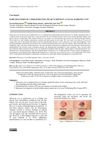 March 2022 in “Folia Medica Indonesiana”
 This case report described a facial hairline tumor initially diagnosed as a sebaceous cyst but ultimately confirmed as a rare Proliferating Pilar Tumor with focal malignancies upon histopathological examination.
September 2024 in “Journal of Microbiology and Biotechnology” In this study, the researchers found that their conductive bio-harvesting tonic enhanced hair follicle proliferation and delayed regression with electric stimulation and the antifungal agent 6-pentyl-α-pyrone in both mice and human hair follicle tests.
April 2021 in “Journal of Investigative Dermatology” A deep learning model was developed to help diagnose trichothiodystrophy by analyzing hair patterns.
February 2022 in “Veterinary record case reports” In this study, photobiomodulation therapy successfully treated hair cycle arrest in a Pembroke Welsh corgi with no adverse effects, suggesting a new potential treatment option for this condition.