This study found that platelet-rich plasma significantly enhanced the viability, as well as the expression of alkaline phosphatase and versican, in human hair dermal papilla cells compared to controls.
5-ARI therapy may help prevent prostate cancer progression.
November 2002 in “International Society of Hair Restoration Surgery” This article discusses Propecia® as the gold standard non-surgical medication for androgenetic alopecia following its five-year data release, but reports no new clinical findings.
 June 2020 in “Journal of Evolution of medical and Dental Sciences”
 This study found that platelet-rich plasma treatment effectively decreased hair fall and increased hair growth in male patients with androgenetic alopecia.
9 citations
,
October 2025 in “MedComm” This review discusses the development and clinical progression of PROTAC technology for targeted protein degradation, highlighting its potential to address previously "undruggable" targets but reports no new clinical results.
May 2020 in “Journal of the Dermatology Nurses’ Association” This study concluded that using a multimedia patient education tool may improve patient comprehension of platelet-rich plasma treatment for androgenetic alopecia in a dermatology practice.
In a hair-growth mouse model, this study reported that the novel AR antagonist candidate 39, derived from structural optimization of 14-P1, achieved similar efficacy to pyrilutamide with faster response and maintained safety, demonstrating potent AR antagonism and favorable pharmacokinetics with lower systemic toxicity risk.
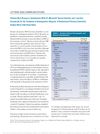 19 citations
,
May 2017 in “Dermatologic Surgery”
19 citations
,
May 2017 in “Dermatologic Surgery” Combining platelet-rich plasma with 5% minoxidil solution improves hair regrowth in androgenetic alopecia patients.
1 citations
,
January 2003 in “Urologia Internationalis” This review examines the current research on chemopreventive agents for prostate cancer, highlighting that while no definitive strategies have been confirmed, substances like finasteride, selenium, and vitamin E show promise in reducing risk.

In a randomized, double-blinded, placebo-controlled clinical trial, this study found that the botanical-based compound ALRV5XR significantly increased hair regrowth in women with androgenetic alopecia or telogen effluvium, with no adverse events reported.
 September 2024 in “Journal of the American Academy of Dermatology”
 In this study, a novel compound named AH-001 demonstrated effective androgen receptor protein degradation, reducing hair loss progression in a mouse model of androgenetic alopecia, with minimal systemic exposure and side effects, suggesting potential for safer treatment.
 October 2020 in “Journal of Aesthetic Nursing”
 The abstract discusses the potential of platelet-rich plasma as a new, efficient, safe, and reproducible solution for hair loss and thinning, highlighting advancements in growth factors and stem cell technology. However, this summary does not report specific findings or results.
4 citations
,
March 2008 in “Hair transplant forum international” This abstract provides an overview of the importance of using reliable and valid information for evidence-based medicine, without presenting new experimental results.
This article introduces REVVup Hair Therapy as an alternative to surgery for early-stage hair loss but reports no new clinical findings.
 2 citations
,
May 2012 in “Indian drugs”
2 citations
,
May 2012 in “Indian drugs” This study found that a proniosomal gel formulation of finasteride increased anagen hair count in male volunteers with androgenic alopecia by 42.85% compared to the control group.
15 citations
,
December 2006 in “Clinical interventions in aging” This analysis of the Prostate Cancer Prevention Trial found that finasteride reduces prostate cancer risk by nearly 25% and enhances the PSA test's ability to detect prostate cancer and high-risk diseases.
 2 citations
,
April 2014 in “PubMed”
2 citations
,
April 2014 in “PubMed” Platelet Rich Plasma (PRP) shows promise for hair growth, ulcer healing, and skin rejuvenation, but more research is needed for consistent results and it's not suitable for people with certain blood conditions.
6 citations
,
August 2024 in “The Laryngoscope” In this study, serial platelet-rich plasma injections improved voice quality and mucosal wave ratings in patients with vocal fold scar, with patient-reported outcomes showing a consistent positive trend.
March 2021 in “Türk plastik cerrahi dergisi” In this study, activated platelet-rich plasma injections significantly increased hair count, density, and the anagen/telogen ratio in men with androgenetic alopecia, compared to placebo, suggesting it as a safe alternative to medical treatments for early-stage alopecia.
 October 2008 in “The Journal of Urology”
 This article discusses the role of 5-alpha-reductase inhibitors in prostate cancer prevention and highlights a medical quandary, but it reports no new clinical findings.
 November 2024 in “Journal of Cosmetic Dermatology”
 This study found that using platelet-rich plasma alongside minoxidil and finasteride/spironolactone during hair transplant surgery for androgenetic alopecia improved follicle survival, hair growth rates, and hair strength.
 January 2016 in “Surgical and Cosmetic Dermatology”
 This study showed that platelet-rich plasma treatment led to a statistically significant increase in terminal hairs and a reduction in vellus hairs in men with androgenetic alopecia.
14 citations
,
September 1990 in “Journal of the American Academy of Dermatology” In this study, viprostol was not effective in promoting hair growth for men with androgenetic alopecia over a 24-week period.
February 2013 in “Americanae (AECID Library)” In this study, finasteride exposure in human prostatic cell lines did not affect cell proliferation but significantly reduced MMP activity and increased TIMP expression, potentially inhibiting tumor cell invasion and metastasis.
1 citations
,
September 2021 in “Pharmaceutics” In this study, finasteride was shown to inhibit glioma stem-like cells and reduce glioblastoma proliferation, suggesting its potential as an anti-glioblastoma drug.
April 2023 in “Russian Journal of Clinical Dermatology and Venereology” This study found that after a 4-month comprehensive therapy course, 90.5% of patients with androgenetic alopecia and telogen effluvium showed hair condition improvement, highlighting the potential benefits of adjuvant proteoglycan replacement therapy in these conditions.
January 2020 in “ISP medicine” This review discusses the clinical treatment progress and future application prospects of platelet-rich plasma for androgenetic alopecia but reports no new clinical results.
2 citations
,
April 2022 in “Der Hautarzt” This review discusses the current literature on platelet rich plasma injections for androgenetic alopecia, noting that while some studies report positive outcomes, they often suffer from methodological weaknesses and inconsistent results.
 December 2024 in “Asian Journal of Pharmaceutical and Clinical Research”
 This study found that the combination of platelet-rich plasma with topical minoxidil and finasteride was more effective in treating androgenetic alopecia than the conventional minoxidil and finasteride therapy alone.
 37 citations
,
February 2014 in “Journal of Dermatology”
37 citations
,
February 2014 in “Journal of Dermatology” This study found that topical valproic acid significantly increased hair count in male patients with moderate androgenetic alopecia compared to placebo over 24 weeks.