October 2025 in “Archives of Dermatological Research” Topical metformin gel is as effective and safe as steroids for treating alopecia areata.
 February 2022 in “Cleveland Clinic Journal of Medicine”
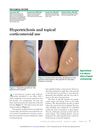
 This case report observed hypertrichosis on the left forearm of an 80-year-old woman, possibly linked to her previous use of the topical steroid betamethasone butyrate propionate for dermatitis.
 14 citations
,
January 2005 in “Pediatric Dermatology”
14 citations
,
January 2005 in “Pediatric Dermatology” This case report describes a child with hypopigmented mycosis fungoides successfully treated with UVA1 light therapy.

This case study presented by the researchers describes the effective use of topical calcipotriene ointment in treating a 6-year-old girl with en coup de sabre scleroderma, resulting in normalization of the sclerotic skin, hair regrowth, and improved pigmentation.
1 citations
,
August 2023 in “Journal of Cutaneous Medicine and Surgery” This study demonstrated that topical anthralin at concentrations of 0.1% to 1% is effective and well-tolerated for treating pediatric alopecia areata, with 0.2% offering the best results and requiring at least six months of treatment to achieve substantial hair regrowth.
March 2023 in “Reactions Weekly” 1 citations
,
April 2025 in “Acta Dermato Venereologica” In this study, a retrospective analysis at Erasmus University Medical Center found that methotrexate and cyclosporine A may be most effective for lichen planopilaris and cyclosporine A and retinoids for frontal fibrosing alopecia, although side effects were a concern.
 6 citations
,
July 2008 in “Clinical and experimental optometry”
6 citations
,
July 2008 in “Clinical and experimental optometry” This case report describes a rare complication of prostaglandin analogue eye drops for glaucoma, where a patient experienced extensive unwanted malar hair growth, leading to potential therapy discontinuation.
 August 2025 in “Annals of Medicine”
 This study found that mycophenolate mofetil can enhance skin pigmentation in vitiligo models by activating the WNT signaling pathway and increasing melanin-related gene expression.
 69 citations
,
August 2008 in “Journal of The European Academy of Dermatology and Venereology”
69 citations
,
August 2008 in “Journal of The European Academy of Dermatology and Venereology” Oral dutasteride and topical pimecrolimus can safely and effectively treat Frontal Fibrosing Alopecia, leading to significant hair regrowth.

This proof-of-concept study suggests that the new topical treatment regimen TH07 may offer effective hair growth results in men with androgenic alopecia, using a combination of finasteride, latanoprost, and minoxidil, supported by animal models and clinical studies.
 April 2016 in “Plastic and reconstructive surgery. Global open”
 This article lists online educational resources from the American Society of Plastic Surgeons but reports no new research findings.
 January 2023 in “Dermatologic therapy”
 This study reports that diphenylcyclopropenone topical immunotherapy resulted in any hair regrowth for 69% of patients with alopecia areata, but with common side effects including mild to severe contact dermatitis.
 26 citations
,
March 2007 in “Clinical and experimental dermatology”
26 citations
,
March 2007 in “Clinical and experimental dermatology” Pimecrolimus cream is not effective for treating alopecia areata.
September 2016 in “Aktualʹnì pitannâ farmacevtičnoï ì medičnoï nauki ta praktiki” In this study, researchers at Zaporozhye State Medical University developed a 2% minoxidil cream-mask and found it thermally stable during manufacturing, with no chemical interactions between active and base components, signaling potential for effective hair growth stimulation treatments.
 1 citations
,
April 2024 in “Skin research and technology”
1 citations
,
April 2024 in “Skin research and technology” This clinical trial found that topical rosuvastatin and melatonin creams significantly reduced the severity of mild to moderate plaque psoriasis over 12 weeks, with a satisfactory safety profile.
 105 citations
,
December 2009 in “Archives of dermatology”
105 citations
,
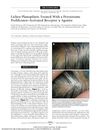
December 2009 in “Archives of dermatology” This overview discusses primary cicatricial alopecias, focusing on lichen planopilaris, and highlights the challenges in treatment and the progressive nature of hair loss despite symptom management, without providing new clinical results.
 7 citations
,
July 2019 in “International journal of research in dermatology”
7 citations
,
July 2019 in “International journal of research in dermatology” This study reported that intralesional triamcinolone acetonide was more effective than intralesional PRP for treating scalp alopecia areata, with minimal recurrence and side effects like atrophy and hypopigmentation.
 August 1994 in “Drugs & Therapy Perspectives”
 Psoriasis treatments range from topical creams to systemic medications with serious side effects, and while treatments can manage symptoms, there is no cure.
 5 citations
,
January 2018 in “Annals of Dermatology”
5 citations
,
January 2018 in “Annals of Dermatology” A 308 nm excimer laser successfully treated a boy with a rare skin condition after about a year of weekly sessions.
8 citations
,
January 2019 in “Journal of cosmetic dermatology” This study found that six sessions of a modified phenol peel effectively reduced hyperpigmentation in patients with Lichen Planus Pigmentosus, with 76% of treated individuals experiencing at least a 25% improvement, and no serious side effects reported.
 3 citations
,
July 2010 in “Archives of internal medicine”
3 citations
,
July 2010 in “Archives of internal medicine” A woman kept her eyelashes during chemotherapy possibly because of her glaucoma eye drops.
 3 citations
,
January 2018
3 citations
,
January 2018 This study reports a case of pustular allergic contact dermatitis following the use of 5% minoxidil solution in a female patient, highlighting an uncommon reaction to a frequently used dermatological treatment.
 55 citations
,
March 2009 in “Journal of The American Academy of Dermatology”
55 citations
,
March 2009 in “Journal of The American Academy of Dermatology” This study found that latanoprost and bimatoprost, when applied cutaneously to the eyelids, did not induce appreciable eyelash regrowth in patients with alopecia areata over 16 weeks.
 November 2023 in “Research Square (Research Square)”
 This double-blinded randomized clinical trial found that combining topical vitamin D analog (calcipotriol) and intra-lesion PRP led to a greater reduction in hair loss severity in alopecia areata patients compared to either treatment alone, with significant improvements observed across all groups.
 February 2013 in “Journal of The American Academy of Dermatology”
 Finasteride solution helps treat hair loss.
 August 2019 in “Journal of The American Academy of Dermatology”
 This study found that a bleach bath treatment with 0.005% HOCI reduced the expression of certain serine proteases in cultured keratinocytes and lowered skin pH in atopic dermatitis patients, potentially improving symptoms by modulating the NF-kB pathway.
5 citations
,
July 2011 in “PubMed” This case report of female-pattern androgenetic alopecia found that injected bimatoprost solution did not successfully treat the condition, prompting considerations for future prostaglandin analog therapies.
 16 citations
,
January 2019 in “Skin appendage disorders”
16 citations
,
January 2019 in “Skin appendage disorders” This study used a network meta-analysis to compare alopecia areata treatments, finding that intralesional corticosteroids are most effective for mild cases, while diphenylcyclopropenone ranks highest for moderate to severe cases; further research on oral tofacitinib is needed.
May 2013 in “DOAJ (DOAJ: Directory of Open Access Journals)” This study found that a multimodal microemulsion containing minoxidil, diclofenac, and tea tree oil was significantly more effective and stable than minoxidil alone in treating androgenic alopecia over a 32-week period.