1 citations
,
February 1971 in “JAMA” This study found that hair growth was maintained in alopecic sites using scalp autografts with triamcinolone acetonide, but homografts were typically rejected.
 12 citations
,
December 2018 in “Clinical Ophthalmology”
12 citations
,
December 2018 in “Clinical Ophthalmology” This review summarizes clinical trials and comparative studies showing that latanoprostene bunod 0.024% is effective and safe for reducing intraocular pressure in patients with open-angle glaucoma or ocular hypertension, detailing its mechanism and side effects while considering its therapeutic role.
March 2015 in “DergiPark (Istanbul University)” This study concluded that topical psoralen and ultraviolet A photochemotherapy is an effective and safe treatment for alopecia areata, as it produced a good response in 43.8% of patients.
5 citations
,
March 2023 in “PubMed” This review discusses the potential of advanced therapy medicinal products for treating vitiligo, highlighting promising results but noting affordability remains a challenge; no new clinical results were reported.
 May 2011 in “Value in Health”
 This study found that the oral Janus kinase inhibitor CP-690,550 has a direct effect on reducing pruritus in patients with psoriasis, independent of clinician-assessed improvements in psoriasis severity.
 December 2025 in “PubMed”
 In this study, researchers found that a propylene glycol-free and alcohol-reduced topical foam containing minoxidil and finasteride remained chemically, physically, and microbially stable for 180 days when stored properly at room temperature in light-resistant containers.
January 2023 in “JOURNAL OF CLINICAL AND DIAGNOSTIC RESEARCH” In this study, intralesional triamcinolone acetonide 10 mg/mL combined with topical betamethasone dipropionate 0.05% lotion was found to be more effective for treating alopecia areata than either treatment alone.
September 2010 in “Reactions weekly” The combination of tretinoin, minoxidil, and betamethasone valerate may cause severe scalp inflammation.
 1 citations
,
June 2017 in “Skin”
1 citations
,
June 2017 in “Skin” This study is the first to report that apremilast may be effective in treating refractory lichen planopilaris and frontal fibrosing alopecia, though some patients experienced adverse effects leading to discontinuation.
18 citations
,
November 2009 in “Archives of Dermatology” This study reported that topical calcipotriol did not reduce hypertrophic scar formation in women post reduction mammoplasty, but found a strong association between activated keratinocytes and scar formation.
28 citations
,
July 2015 in “Dermatologic therapy” This study found that combining topical and oral pulse corticosteroid therapy for severe alopecia areata in children led to long-lasting hair regrowth, especially in AA plurifocalis, with no serious side effects reported.
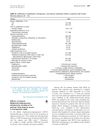 8 citations
,
January 2018 in “Journal of the American Academy of Dermatology”
8 citations
,
January 2018 in “Journal of the American Academy of Dermatology” This study found that maintenance treatment with diphenylcyclopropenone was associated with a lower relapse rate in alopecia areata patients, highlighting the importance of adjusting treatment intervals post-improvement.
5 citations
,
January 1995 in “Journal of Dermatological Treatment” This study suggests that topical calcipotriol did not significantly enhance hair growth when combined with SADBE in patients with severe alopecia areata.
 January 2012 in “The Year book of dermatology”
 This study found that women with late onset acne have fewer comedones and acne lesions compared to those with early onset, despite no differences in P. acnes density or sebum secretion.

This study concluded that monthly intralesional autologous platelet-rich plasma therapy significantly decreased alopecia areata severity over four months compared to daily 5% topical minoxidil therapy.
June 2026 in “British Journal of Dermatology” This case study suggests that intense inflammation after photodynamic therapy may trigger or worsen fibrosing alopecia in susceptible individuals.
2 citations
,
September 2023 in “PubMed” The studies reviewed found favorable treatment outcomes for hypopigmented scars using PGF2α agonists with no adverse events reported. However, the authors highlight the need for larger randomized controlled trials to better understand their effectiveness and long-term safety.
 October 2023 in “Journal of the American Academy of Dermatology”
 This source reports that clascoterone cream has been approved in the U.S. for treating acne vulgaris in patients aged 12 and older, suggesting it works by competing with dihydrotestosterone at androgen receptors to mitigate acne's effects.
 November 2024 in “Journal of Cosmetic Dermatology”
 This study found that valproic acid-loaded microemulsion formulations enhanced skin penetration pathways in guinea pigs compared to an aqueous solution, with composition elements like oil content and surfactant ratios significantly affecting drug delivery performance.
January 2026 in “Journal of Dermatological Treatment” This source discusses a Phase 2 trial by Hu et al. that evaluated the efficacy of topical GT20029 compared to a placebo, though the abstract does not provide specific results.
 1 citations
,
August 2019 in “Pediatric dermatology”
1 citations
,
August 2019 in “Pediatric dermatology” This study reports that topical minoxidil 5% foam may effectively promote hair growth in congenital alopecia and hypotrichosis linked to desmoplakin mutations, as demonstrated by significant hair growth in an 8-year-old boy.
 14 citations
,
January 2011 in “International Journal of Trichology”
14 citations
,
January 2011 in “International Journal of Trichology” This study reports that combination therapy with oral steroids, anthralin, and minoxidil yielded effective cosmetic responses in 80% of patients with treatment-resistant extensive alopecia areata.
25 citations
,
September 1973 in “Archives of dermatology” In this study, a daily topical application of a 0.05% tretinoin solution effectively removed dark plugs and resolved symptoms of trichostasis spinulosa.
January 2013 in “Touro Scholar (Touro College)” This review concluded that Diphenylcyclopropenone may offer the best treatment results for alopecia areata, although further research into the disease's pathogenesis could improve therapeutic options.
 January 2024 in “Annals of Dermatology”
 This study found that DPCP immunotherapy effectively treats alopecia areata, identifying factors that influence treatment response and patient satisfaction, which may aid in standardizing the treatment for improved outcomes.
 January 2022 in “Revista del Centro Dermatológico Pascua”
 This study compared the clinical effectiveness of platelet-rich plasma therapy with minoxidil for treating hair loss in men, suggesting PRP is a promising option.
 October 2022 in “Journal of ophthalmology”
 This review discusses the implementation and mechanisms of photobiomodulation therapy in various medical fields, including ophthalmology, and reports no new clinical results.
 13 citations
,
January 2012 in “Case reports in dermatological medicine”
13 citations
,
January 2012 in “Case reports in dermatological medicine” An 84-year-old man got a rare scalp condition from using imiquimod cream, which was cured with systemic steroids.
November 2025 in “JOURNAL OF EXPERIMENTAL ZOOLOGY INDIA” This study observed that thymol from Origanum marjoram essential oil significantly promoted hair regrowth and reduced inflammation in cyclophosphamide-induced alopecia in rabbits, with effects that were comparable to or exceeded those of betamethasone, highlighting its potential as a safer treatment alternative.
October 2025 in “Archives of Dermatological Research” Topical metformin gel is as effective and safe as steroids for treating alopecia areata.