 141 citations
,
September 2016 in “European Journal of Dermatology”
141 citations
,
September 2016 in “European Journal of Dermatology” This review examines dermatological side effects of taxane chemotherapy reported in past studies and highlights the necessity for identifying and managing these conditions to maintain cancer patients' quality of life; it presents no new clinical results.
 August 2023 in “Journal of controlled release”
 This research found that STAR particles, ceramic particles with microneedles, significantly enhance skin permeability and improve the topical delivery of drugs like minoxidil and acyclovir, effectively promoting or inhibiting hair growth without causing skin irritation in ex vivo pig skin and rat models.
 February 2026 in “Veterinary Sciences”
 This study found that SPARC-overexpressing adipose-derived mesenchymal stem cells significantly improved various aspects of skin wound healing in dogs, including re-epithelialization, collagen deposition, and angiogenesis, showing promise for enhancing treatment effectiveness under different physiological and pathological conditions.
 September 2022 in “XXXIX Congresso Brasileiro de Reumatologia”
 In this case report, a 42-year-old woman with cutaneous dermatomyositis showed significant improvement, including reduction of erythema, pruritus, and scaling, after starting JAK inhibitor tofacitinib, especially when conventional systemic treatments failed and intravenous immune globulin wasn't viable.
September 2026 in “Advanced Materials Technologies” In a mouse model study, researchers developed a methacrylated hyaluronic acid-based hydrogel microneedle patch co-loaded with finasteride and a carbon monoxide-releasing molecule for androgenetic alopecia, which showed better hair regrowth and safety compared to traditional treatments, offering an innovative approach with minimized systemic side effects.
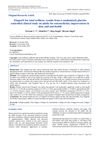 November 2025 in “International Journal of Research in Medical Sciences”
 In this randomized, placebo-controlled study, Titagen® was found to improve skin, hair, and nail health in adults consuming 5g daily, and reduce pain and improve quality of life for osteoarthritis patients taking 10g daily, without related adverse events.
1 citations
,
April 2017 in “Journal of Investigative Dermatology” Abatacept may help some people with alopecia areata regrow hair.
 74 citations
,
March 1963 in “Archives of Dermatology”
74 citations
,
March 1963 in “Archives of Dermatology” This article reviews historical reports of skin changes, such as pseudoacanthosis nigricans, associated with cholesterol-lowering drugs like triparanol and nicotinic acid, but presents no new clinical findings.
 November 2023 in “PubMed”
 This study showed that intralesional injections of pentoxifylline may be an effective and safe alternative to triamcinolone acetonide for treating localized alopecia areata.
13 citations
,
June 2023 in “Frontiers in Pharmacology” This meta-analysis reports that trastuzumab deruxtecan is effective and has an acceptable safety profile for treating HER2-low or positive advanced breast cancer, although further research is recommended to support individualized treatment strategies.
12 citations
,
August 2001 in “PubMed” This study found that contrast enhanced phototrichogram (CE-PTG) significantly improved detection of various hair types and growth stages in androgenetic alopecia compared to standard PTG and was comparable to biopsy analysis.
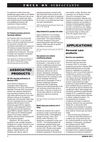 March 2011 in “Focus on surfactants”
 Several companies launched new hair care ingredients in 2011 to improve conditioning, color retention, combability, and heat protection.
14 citations
,
March 2019 in “European journal of pharmaceutics and biopharmaceutics” This study observed that proretinal nanoparticles delivered significantly higher concentrations of retinal to the stratum corneum and hair follicles compared to non-particulate forms, potentially improving topical retinoid therapy.
February 2026 in “Macromolecular Bioscience” In this study, keratin‐based hydrogels incorporating calcium ions were developed to effectively deliver atorvastatin, showing potential for localized anti‐fibrotic therapy through controlled drug release and maintaining drug bioactivity in vitro, supported by thorough physicochemical and mechanical characterization.
June 2025 in “British Journal of Dermatology” This study compared oral tofacitinib and methotrexate in treating moderate-to-severe alopecia areata, finding that tofacitinib was more effective at reducing SALT scores and improving scalp hair assessment PRO scores, though both treatments reduced psychological distress similarly without serious adverse effects.
June 2025 in “Zenodo (CERN European Organization for Nuclear Research)” Combining Procapil with minoxidil improves hair growth in men with hair loss.
June 2025 in “Zenodo (CERN European Organization for Nuclear Research)” Combining Procapil with minoxidil improves hair growth in men with hair loss.
 July 2013 in “Journal of clinical & experimental dermatology research”
 This study found that prototype right heart circulatory assist devices significantly improved hemodynamics and reduced pulmonary vascular resistances in piglet models of acute hemodynamic shock.
1 citations
,
October 2010 in “Proceedings of SPIE, the International Society for Optical Engineering/Proceedings of SPIE” This study found that while short-term use of PEG-400 and Thiazone affected rat skin structure, the changes were reversible with no long-term effects observed.
 February 2024 in “PloS one”
 This review concluded that oral tofacitinib and adalimumab are promising treatments for cicatricial alopecia, showing effectiveness in improving signs and symptoms but requiring regular monitoring for adverse effects. The authors emphasize the need for further extensive studies to solidify these findings.
 1 citations
,
July 2022 in “British Journal of Dermatology”
1 citations
,
July 2022 in “British Journal of Dermatology” Baricitinib was effective in treating hair loss in adults with alopecia areata according to patient feedback.
 49 citations
,
August 1996 in “The Journal of Clinical Endocrinology and Metabolism”
49 citations
,
August 1996 in “The Journal of Clinical Endocrinology and Metabolism” This study found that combining cyproterone acetate with testosterone enanthate was highly effective in suppressing spermatogenesis, suggesting potential as a reversible male contraceptive method.
38 citations
,
June 2015 in “PubMed” This study found that topical calcipotriol may safely and effectively treat mild-to-moderate patchy alopecia areata, with significant hair regrowth observed in the majority of participants over 12 weeks.
97 citations
,
January 2006 in “Dermatology” This study found that intramuscular triamcinolone acetonide or pulse therapy effectively treats alopecia areata with manageable side effects, but further strategies are needed to reduce relapse rates.
2 citations
,
January 2021 in “Clinical dermatology review” This case report describes a promising response to platelet-rich plasma therapy, modified with triamcinolone acetonide, in treating alopecia totalis.
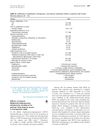 8 citations
,
January 2018 in “Journal of the American Academy of Dermatology”
8 citations
,
January 2018 in “Journal of the American Academy of Dermatology” This study found that maintenance treatment with diphenylcyclopropenone was associated with a lower relapse rate in alopecia areata patients, highlighting the importance of adjusting treatment intervals post-improvement.
 December 2022 in “Pakistan Journal of Medical and Health Sciences”
 This study found that Tofacitinib effectively improved hair regrowth in patients with Alopecia Areata, with most participants showing a significant change in their Severity of Alopecia Tool scores.
 April 2019 in “International research journal of pharmacy”
 This study found that a 50% ethanolic extract of Adiantum capillus had significant analgesic and anti-inflammatory effects in animals, particularly at the highest tested dose of 300 mg/kg.
9 citations
,
May 2014 in “BMC medical genetics” In this case report, the authors suggest that a novel enhancer element's translocation near the TRPS1 gene may contribute to the TRPS phenotype, expanding understanding of the syndrome's genetic basis.
 September 2023 in “Journal of The American Academy of Dermatology”
 This announcement discusses the recent FDA approval of baricitinib for treating severe alopecia areata in adults and reports no new clinical results.