November 2022 in “bioRxiv (Cold Spring Harbor Laboratory)” This study found that prostaglandin E2 pretreatment may reduce radiotherapy-induced alopecia by enhancing hair follicle self-repair through transient G1 arrest, suggesting a potential preventive treatment.
 January 2021 in “Journal of cosmetology & trichology”
 This study assessed Ageratum conyzoides gel's efficacy in reducing hair loss and improving quality of life in adults with pattern baldness, finding that it decreased temporal recession and improved hair-related distress scores, with a significant reduction in 5α-reductase expression and PGD2 release in vitro.
 December 2019 in “Fayoum University Medical Journal”
 This study reported that prostaglandin D2 levels were significantly lower in both the serum and tissue of Egyptian patients with alopecia areata compared to healthy controls.
 April 2019 in “Radiotherapy and oncology”
 HPV infection is linked to better survival in advanced anal cancer, higher radiation doses improve survival, especially in HPV-negative patients, and prostaglandin E₂ pretreatment can protect mouse hair follicles from radiation damage.
This study found no significant difference in urinary androgen and prostaglandin levels between male pattern baldness patients treated with finasteride for one year and normal controls.
 September 2017 in “Journal of Investigative Dermatology Symposium Proceedings”
 This study found that prostaglandin D2 increases testosterone production in human keratinocytes through a mechanism involving ROS and REDOX potential, which could inform treatments for androgenic alopecia.
April 2017 in “The journal of investigative dermatology/Journal of investigative dermatology” This study found that TLR3-mediated damage sensing can stimulate prostaglandin and Wnt pathways, potentially coordinating hair follicle regeneration in mice with large skin wounds.
 April 2016 in “Plastic and reconstructive surgery. Global open”
 This article lists online educational resources from the American Society of Plastic Surgeons but reports no new research findings.
 January 2014 in “Journal of the Egyptian Women's Dermatologic Society (Print)”
 Women with acne after adolescence are more likely to have PCOS and should be checked for it.
This study found that isolated human scalp hair follicles express PGE2 genes and EP2 protein, suggesting PGE2 may play a crucial role in regulating hair growth.
October 2022 in “The Korean Journal of Physiology and Pharmacology” This review discusses the roles of prostaglandins in hair loss and highlights their potential as targets for new alopecia treatments, but reports no new clinical findings.
 April 2018 in “Radiotherapy and Oncology”
 Prostaglandin helps regenerate hair follicles after radiation damage.
 January 2016 in “Faculty Opinions – Post-Publication Peer Review of the Biomedical Literature”
 A substance called prostaglandin D2 is found more in bald scalps and it stops hair from growing. Blocking its receptor could potentially treat hair loss.
 June 2012 in “Faculty Opinions – Post-Publication Peer Review of the Biomedical Literature”
 Prostaglandin D2, found in higher levels in bald scalps, stops hair growth and could be a target for treating hair loss.
 May 2012 in “Faculty Opinions – Post-Publication Peer Review of the Biomedical Literature”
 Prostaglandin D2, found in higher levels in bald scalps, stops hair growth, suggesting that blocking its receptor could potentially treat hair loss.
 14 citations
,
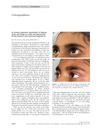
November 2009 in “Clinical and experimental dermatology”
14 citations
,
November 2009 in “Clinical and experimental dermatology” This article presents a case report of a child with coexisting alopecia areata and vitiligo showing improvement with topical prostaglandin E2 treatment, without reporting new clinical results.
 1 citations
,
March 2023 in “Frontiers in Medicine”
1 citations
,
March 2023 in “Frontiers in Medicine” This meta-analysis found that topical prostaglandin analogs could significantly improve hair length and density in patients with hair loss, compared to placebo, without notable safety differences.
 April 2026 in “International Journal of Drug Delivery Technology”
 This review concluded that while topical prostaglandin analogues show some potential in treating androgenetic alopecia, evidence is still limited and no products have regulatory approval.
9 citations
,
January 2021 in “Mediators of Inflammation” In this study, 15d-PGJ2 administered in a topical cream inhibited oxidative and inflammatory skin changes caused by UVB radiation in hairless mice, suggesting it as a promising treatment approach.
This study found that women with postadolescent acne often exhibit symptoms of hyperandrogenism, such as hirsutism and androgenetic alopecia, but have minimal hormone profile abnormalities.
July 2013 in “Faculty of Health; Institute of Health and Biomedical Innovation” This review discusses genetic contributions to androgenetic alopecia and proposes focusing on candidate genes in genome-wide association studies, but it reports no new clinical results.
January 2026 in “International Journal of Biological Macromolecules” September 2020 in “Scientific periodicals of Ukraine” This study found that the combination therapy of Flosin and Prostamol Uno over nine years was well tolerated and equally effective in managing benign prostatic hyperplasia symptoms as the combination of doxazosin and finasteride, with fewer adverse events reported.
 397 citations
,
February 2004 in “British Journal of Dermatology”
397 citations
,
February 2004 in “British Journal of Dermatology” This article reviews the mechanisms by which minoxidil stimulates hair growth and reports no new clinical findings.
 359 citations
,
January 2015 in “Cold Spring Harbor Perspectives in Medicine”
359 citations
,
January 2015 in “Cold Spring Harbor Perspectives in Medicine” This article reviews the role of skin appendages in wound healing and appendage regeneration, discussing cellular and molecular mechanisms but reports no new experimental findings.
 218 citations
,
April 2012 in “British Journal of Dermatology”
218 citations
,
April 2012 in “British Journal of Dermatology” This updated guideline from the British Association of Dermatologists discusses current recommendations for managing alopecia areata but reports no new clinical research findings.
201 citations
,
May 2001 in “Proceedings of the National Academy of Sciences” This study found that transgenic expression of COX-2 in mouse basal keratinocytes causes epidermal hyperplasia and certain dysplastic features at specific body sites.
 100 citations
,
April 2010 in “Expert Opinion on Pharmacotherapy”
100 citations
,
April 2010 in “Expert Opinion on Pharmacotherapy” This article reviews existing treatments for male-pattern hair loss, noting that while they can slow progression, they generally achieve only partial hair regrowth.
 91 citations
,
August 2015 in “Anais Brasileiros De Dermatologia”
91 citations
,
August 2015 in “Anais Brasileiros De Dermatologia” This review discusses the clinical, epidemiological, and pathophysiological aspects of female pattern hair loss, reporting no new research findings.
 85 citations
,
October 2012 in “Dermatologic Clinics”
85 citations
,
October 2012 in “Dermatologic Clinics” This article reviews recent updates on alopecia areata, focusing on its causes, clinical presentation, and treatment options, and provides treatment plans by patient age and disease extent, but reports no new clinical results.