June 2026 in “Virtual and Physical Prototyping” This study introduced a high-viscosity epoxy photoresist to enhance the fabrication of complex microstructures with monolithic integration and mechanical stability, enabling advancements in two-photon 3D printing for creating functional micro-mechanical devices.
 2 citations
,
April 2022 in “Indian Journal of Dermatology, Venereology and Leprology”
2 citations
,
April 2022 in “Indian Journal of Dermatology, Venereology and Leprology” This pilot study suggests that platelet-rich plasma may be a promising treatment for chronic telogen effluvium with good safety, and cost-effective preparation methods may be reliable alternatives to more expensive ones.
54 citations
,
May 1994 in “Veterinary Pathology” This study found widespread localization of parathyroid hormone-related protein in normal and cancerous canine tissues, suggesting a potential physiological role as a paracrine or autocrine factor.
January 2022 in “Aesthetic Plastic Surgery” March 2026 in “Bioengineering & Translational Medicine” This study reported that a modified version of Thymosin beta 4, called PEG-rTβ4, demonstrated potential as a treatment for acute myocardial infarction by improving cardiac function and reducing cell death via specific biochemical pathways, suggesting its promise in drug development efforts.
 39 citations
,
July 2008 in “Dermatologic Therapy”
39 citations
,
July 2008 in “Dermatologic Therapy” This review provides a practical approach to diagnosing pseudopelade of Brocq and updates on treatment options but reports no new clinical results.
 24 citations
,
January 2019 in “Theranostics”
24 citations
,
January 2019 in “Theranostics” This study found that loss of the Pten gene in Lgr5+ hair follicle stem cells promoted squamous cell carcinoma formation through the Akt/β-catenin signaling pathway.
10 citations
,
December 2008 in “Molecular Carcinogenesis” This study found that overexpressing the PML protein in transgenic mice decreased skin tumor occurrence and delayed their progression, highlighting PML's potential role in influencing keratinocyte growth and differentiation.
3 citations
,
June 2025 in “Gyemyeong uidae haksulji” This review suggests that PDRN shows promise as a safe and versatile regenerative agent for wound healing and other dermatological applications, based on its dual mechanisms and clinical evidence of efficacy.
 2 citations
,
January 2008 in “Journal of Society of Cosmetic Chemists of Japan”
2 citations
,
January 2008 in “Journal of Society of Cosmetic Chemists of Japan” PMS nanoparticles improve damaged hair by protecting and restoring its surface and color.
 August 2021 in “Han'gug miyong haghoeji/Journal of the Korean society of cosmetology”
 This study found that using natural polyphenol cross-linkers like tannic acid and green tea extract during perm treatments improved perming efficiency, wave maintenance, and hair protection compared to a control group.
March 2024 in “Journal of functional biomaterials” This study demonstrated that a strain of lactic acid bacteria from kimchi, identified as Pediococcus inopinatus, showed antibacterial activity against certain oral pathogens and effectively bleached stained artificial teeth and inhibited biofilm formation, offering potential for addressing teeth discoloration and halitosis.
24 citations
,
September 2019 in “Experimental cell research” This study found that BMP2 increased PTEN expression and induced autophagy, promoting hair follicle stem cell differentiation in both in vitro models and a mouse wound model.
176 citations
,
February 2006 in “Cancer Research” This study found that loss of Ptch1 function in mouse skin's basal cells is sufficient to rapidly induce tumors resembling human basal cell carcinoma, suggesting Ptch1 as a key tumor suppressor.
1 citations
,
February 2023 in “IntechOpen eBooks” This chapter discusses photodynamic therapy and its potential applications beyond cancer treatment, including conditions like alopecia and angina, but reports no new clinical findings.
 138 citations
,
November 2015 in “Journal of Pharmacology and Experimental Therapeutics”
138 citations
,
November 2015 in “Journal of Pharmacology and Experimental Therapeutics” This review discusses the mechanisms associated with protoporphyrin IX in living cells and reports no clinical results; the authors emphasize its potential in cancer diagnosis and the risks of toxicity.
 January 1999 in “American Journal of Medical Genetics Part A”
 This case report describes a rare occurrence of ectodermal dysplasia features in a 14-year-old with MBTPS1 gene variants, expanding the known spectrum of related disorders.
 3 citations
,
March 2024 in “Cureus”
3 citations
,
March 2024 in “Cureus” This study found that PRP may effectively reduce TMJ pain and improve jaw function and quality of life in young adults with mild TMD.
2 citations
,
June 2025 in “Drug Testing and Analysis” This study found that after application of a testosterone cream containing 17α-methyltestosterone and testosterone propionate, these compounds could be detected in dried blood spots up to 97 hours post-application, potentially leading to sample contamination during fingertip puncture.
 4 citations
,
January 2001 in “Archives of Biochemistry and Biophysics”
4 citations
,
January 2001 in “Archives of Biochemistry and Biophysics” This study found that TPA induces apoptosis in pig renal epithelial cells by affecting cell cycle proteins, and activated ras can prevent this process.
13 citations
,
November 2021 in “Frontiers in Molecular Biosciences” This review discusses the mechanisms of platinum-induced peripheral neuropathy related to reactive oxygen species and explores potential antioxidant therapies and nanotechnology approaches, but reports no new clinical results.
 9 citations
,
July 2014 in “Experimental Dermatology”
9 citations
,
July 2014 in “Experimental Dermatology” This study suggests that while PTH rP initially seemed to shorten the hair cycle by transitioning hair follicles from anagen to catagen, more relevant models indicate it ultimately accelerates and stimulates hair growth.
This paper discusses various toxicological properties of diphenyl cresyl phosphate, highlighting its low acute toxicity, potential neurotoxicity linked to o-cresyl phosphate content, and the lack of data for inhalation exposure, but presents no new experimental findings.
 January 2026 in “Journal of Community Medicine and Health Solutions”
 In this study, the novel topical agent PP405 showed favorable tolerability and increased hair density by over 20% in men with advanced androgenetic alopecia after eight weeks, suggesting a promising potential treatment pending further trials.
 June 2026 in “HAL (Le Centre pour la Communication Scientifique Directe)”
 This infographic compares the safety profiles of SH‑1, a cosmetic ingredient, which showed no systemic absorption, and PP405, an investigational drug with dose-dependent systemic uptake and potential threshold breaches, highlighting differences in safety between cosmetic and investigational substances according to this report.
 1 citations
,
January 2017 in “ARC journal of dermatology”
1 citations
,
January 2017 in “ARC journal of dermatology” This study introduced and evaluated Ahmad's NPRT system for documenting hair loss, finding it helpful in assessing the specific state of male pattern baldness in 500 patients.
 5 citations
,
January 2010 in “International journal of trichology”
5 citations
,
January 2010 in “International journal of trichology” This report describes two cases of alopecia totalis treated with turban psoralen and sunlight exposure, but it provides no clinical outcome results.
 March 2022 in “Folia Medica Indonesiana”
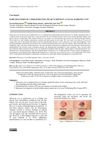
 This case report described a facial hairline tumor initially diagnosed as a sebaceous cyst but ultimately confirmed as a rare Proliferating Pilar Tumor with focal malignancies upon histopathological examination.
 7 citations
,
March 2012 in “Journal of Investigative Dermatology”
7 citations
,
March 2012 in “Journal of Investigative Dermatology” This study presents evidence that specific thymus-derived peptides affect human hair follicle growth, identifying thymulin as a potential hair growth stimulator despite interindividual response variations.
6 citations
,
August 2024 in “The Laryngoscope” In this study, serial platelet-rich plasma injections improved voice quality and mucosal wave ratings in patients with vocal fold scar, with patient-reported outcomes showing a consistent positive trend.