 4 citations
,
September 2013 in “Expert Review of Endocrinology & Metabolism”
4 citations
,
September 2013 in “Expert Review of Endocrinology & Metabolism” Different types of polycystic ovary syndrome show varying levels of insulin resistance, with the 'PHO' type being the most insulin resistant.
2 citations
,
August 2022 in “Middle East Fertility Society Journal” This study found that combining fructose and DHT in rats successfully mimicked the clinical phenotypes of non-lean PCOS, providing a novel rodent model for this condition.
29 citations
,
September 2020 in “Polymers” This study found that electrospun poly(ε-caprolactone)/poly(3-hydroxybutyrate) blend fibers demonstrated nanometric dimensions and promising properties for drug delivery, with curcumin release linked to fiber morphology and processing parameters.
 December 2025 in “Zenodo (CERN European Organization for Nuclear Research)”
 This review discusses the potential benefits of combining herbal treatments and conventional therapies in managing PCOS and reports no new clinical results.
This study identified ISPP-Rb, a novel immuno-stimulatory complex from Royoporus badius, that significantly activates murine macrophage cells and induces multiple proinflammatory cytokines.
November 2021 in “Natural product research” This study observed that the aqueous extract of roasted Alocasia macrorrhizos tubers led to hair follicle repigmentation and reduced epidermal thickness in a murine model of Vitiligo.
 2 citations
,
January 2025 in “touchREVIEWS in Endocrinology”
2 citations
,
January 2025 in “touchREVIEWS in Endocrinology” This study suggests that sodium-glucose cotransporter-2 inhibitors, alone or with metformin or GLP1RA, may improve metabolic and hormonal parameters in women with polycystic ovary syndrome.
 August 2026 in “Pharmaceuticals”
 This review reports that biopolymer-based hydrogels show promise as wound dressings due to their biocompatibility, moisture retention, and ability to mimic the extracellular matrix, though challenges in mass production, safety, and clinical validation remain.
 November 2025 in “Frontiers in Endocrinology”
 This review examines the potential of apigenin and ellagic acid as adjunct or alternative treatments for PCOS, but reports no new clinical results and highlights the need for further trials to confirm their efficacy and optimize dosing and delivery.
 10 citations
,
November 2015 in “Plant Foods for Human Nutrition”
10 citations
,
November 2015 in “Plant Foods for Human Nutrition” This study found that the ethyl acetate fraction of Hibiscus rosa sinensis petals significantly reduced serum glucose and glycated hemoglobin levels in diabetic rats, showing effects comparable to the standard drug metformin.
 March 2026 in “Physical Education Health and Social Sciences”
 In this randomized controlled trial, combining cinnamon and inositol led to significant improvements in metabolic and hormonal parameters, such as reduced LH, testosterone, fasting glucose, and ovarian ultrasound scores, in overweight women with PCOS, indicating superior benefits over either supplement alone.
 20 citations
,
November 1968 in “The Lancet”
20 citations
,
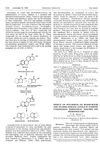
November 1968 in “The Lancet” This study found that during dialysis, lower plasma-potassium levels were associated with hyperglycemia, suggesting potassium correction is vital when using glucose-rich dialysate.

This review summarizes the composition, bioactive functions, and potential industrial applications of rice bran polysaccharides, focusing on how extraction methods and modifications impact their biological activities.
14 citations
,
March 2025 in “Nano Today” The hydrogel dressing speeds up and improves diabetic wound healing.

This study found that abnormal carbohydrate metabolism linked to increased serum fasting insulin levels is associated with 20% of women with polycystic ovary syndrome, and these women exhibit more symptoms compared to those with normal insulin levels.
31 citations
,
January 2011 in “Journal of Biomaterials and Nanobiotechnology” This paper describes the development of unique hydrogel skin scaffolds from plant-derived polysaccharide mixtures that may offer improved biocompatibility and mechanical properties for use in artificial skin.
100 citations
,
December 2021 in “Biomedicine & Pharmacotherapy” This review examines advancements in natural polymer-based drug delivery systems like hydrogels and composites for treating major diseases, highlighting challenges in solubility and functionalization but reports no new clinical results.
January 2016 in “Frontiers in Bioengineering and Biotechnology” This study developed keratin-based hydrogels with improved water solubility and tunable properties, demonstrating excellent cytocompatibility, suggesting potential for biomedical applications.
 November 2025 in “Frontiers in Endocrinology”
 This study indicated that prediabetes may make ovaries more susceptible to PCOS-like changes, with mild hyperglycemia potentially having harmful effects on ovarian health.
 July 2025 in “Journal of Pharmacognosy and Phytochemistry”
 This review explores the potential benefits of plant-based diets, herbal remedies, and phytochemicals for managing PCOS, suggesting they may help regulate menstrual cycles, improve metabolic parameters, and reduce androgen levels, offering a promising, holistic approach to treatment.
 May 2015 in “Evidence Based Women Health Journal (Online)”
 This study found that myoinositol combined with D-chiroinositol was more effective than metformin in improving weight reduction, spontaneous ovulation, and pregnancy rates in women with polycystic ovary syndrome.
19 citations
,
September 1971 in “Journal of Investigative Dermatology” 2 citations
,
October 2018 in “Journal of Mind and Medical Sciences” In this study, researchers developed and validated a method to quantify pyrrolizidine alkaloids in honey and flour, increasing alkaloid recovery rates through successive extractions, achieving up to 86% recovery for honey and 76% for flour.
 6 citations
,
December 2020 in “Biological & Pharmaceutical Bulletin”
6 citations
,
December 2020 in “Biological & Pharmaceutical Bulletin” This study found that certain fatty acids and triterpenoid-glycosides from Eclipta prostrata L. leaves exhibit potent inhibitory effects on the protein tyrosine phosphatase 1B enzyme, suggesting potential anti-diabetic and anti-obesity benefits.
January 2024 in “SSRN Electronic Journal”  2 citations
,
May 2017 in “International journal of reproduction, contraception, obstetrics and gynecology”
2 citations
,
May 2017 in “International journal of reproduction, contraception, obstetrics and gynecology” In this study, Myoinositol, an insulin sensitizer, was reported to improve menstrual irregularities and skin problems in cases of polycystic ovary syndrome.
 189 citations
,
March 2018 in “Human Reproduction Update”
189 citations
,
March 2018 in “Human Reproduction Update” This study reported that women with polycystic ovary syndrome had a higher prevalence of impaired glucose tolerance and type 2 diabetes, with variations influenced by ethnicity and obesity.
 13 citations
,
January 2019 in “Colloids and Surfaces B: Biointerfaces”
13 citations
,
January 2019 in “Colloids and Surfaces B: Biointerfaces” This study found that incorporating a block copolymer significantly alters the size and morphology of niosome drug delivery systems made of non-ionic surfactants and cholesterol, affecting their stability.
 February 2026 in “World Journal of Interdisciplinary Innovation Sciences”
 This systematic review found that cinnamon supplementation may modestly improve insulin sensitivity and potentially reduce hyperandrogenism in women with PCOS, but stresses the need for large-scale clinical trials.
 March 2024 in “Romanian Medical Journal”
 This review examines the administration, efficacy, and potential applications of inositol, highlighting its roles in treating conditions like mental health disorders, metabolic disorders, and PCOS. The authors emphasize the need for further research into inositol's multifaceted therapeutic benefits.