 12 citations
,
September 2018 in “Naturwissenschaften”
12 citations
,
September 2018 in “Naturwissenschaften” This study found that melatonin at 0.2 g/L for 72 hours most effectively enhances cashmere growth in Liaoning cashmere goats by upregulating the lncRNA MTC, which activates NF-kB signaling.
3 citations
,
January 2023 in “Journal of Cutaneous and Aesthetic Surgery” Intradermal PRP significantly improved melasma in dark skin, with lasting results and no relapse after 3 months.
 57 citations
,
February 1994 in “Experimental dermatology”
57 citations
,
February 1994 in “Experimental dermatology” This study found that murine skin is a target for melatonin bioregulation, as melatonin affected DNA synthesis and tyrosinase activity in skin organ culture.
20 citations
,
April 2019 in “BioMed Research International” This study found that DNA hypermethylation was present in melasma lesions, and treatments with sunscreen, niacinamide, and retinoic acid were associated with decreased methylation and clinical improvement.
7 citations
,
December 2024 in “International Journal of Pharmaceutics” In this study, researchers developed a new method for producing dissolving microneedle array patches containing mesoporous silica nanoparticles, successfully confirming nanoparticle deposition and release in both ex vivo and in vivo models.
 February 2024 in “Molecules/Molecules online/Molecules annual”
 In this study, NMN was found to reverse hair follicle atrophy, thinning, and sparsity in mice induced by DHT, and significantly decreased DHT-induced inflammation and oxidative stress in cultured human dermal papilla cells, enhancing hair growth-related markers.
46 citations
,
September 2018 in “Expert Opinion on Drug Delivery” This study reported that nanostructured lipid carriers with melatonin improved hair density and decreased hair loss in patients with androgenic alopecia, suggesting a promising direction for future treatments.
 1 citations
,
August 2023 in “Advanced Drug Delivery Reviews”
1 citations
,
August 2023 in “Advanced Drug Delivery Reviews” This review discusses various microneedle technologies for long-acting drug delivery, highlighting design considerations and challenges in bringing these minimally invasive devices to market, but it reports no new clinical results.
160 citations
,
April 2014 in “Drug discovery today” This review discusses the mechanism of action of melatonin in various disorders and suggests its potential for designing new receptor ligands, but reports no new clinical findings.
 49 citations
,
April 2016 in “International journal of molecular sciences”
49 citations
,
April 2016 in “International journal of molecular sciences” This study found that shift nurses exhibited lower circadian variations compared to daytime nurses, indicating an adjustment of their biological clocks to continuous shift schedules.
 9 citations
,
January 2020
9 citations
,
January 2020 This case series observed that macular changes from popper use can resolve completely after cessation, even in individuals with chronic use.
4 citations
,
September 2023 in “Journal of Dermatological Treatment” In this study, the use of wellness apparel emitting red and NIR light was associated with improved disease severity in patients with mild elbow psoriasis, PMLE, and limited AA, though the small sample size and continued use of other treatments were noted as limitations.
 February 2010 in “Journal of The American Academy of Dermatology”
 NB-002 is a promising new topical treatment for fungal nail infections, showing better results than a non-medicated option.
 April 2023 in “Journal of Investigative Dermatology”
 This study found that NIMP-R14-conjugated nanoparticles, loaded with roflumilast, effectively targeted neutrophils to reduce inflammation and improve symptoms in a mouse model of psoriasiform dermatitis, suggesting potential for targeted therapy in autoimmune skin diseases.
4 citations
,
December 2016 in “Blood” This study describes a case of cyclic thrombocytopenia where a novel MPL gene mutation may contribute to the disease, with gene expression changes in platelet and neutrophil genes preceding platelet count fluctuations.
 October 2024 in “Small Methods”
 This study found that dissolving microneedles loaded with platinum nanozymes induced faster hair growth in an androgenetic alopecia model than daily minoxidil applications, with no significant safety concerns.
 April 2023 in “Journal of Investigative Dermatology”
 This pilot study suggests that topical melatonin may protect hair follicle stem cells from paclitaxel-induced damage, potentially preventing chemotherapy-induced alopecia and enhancing the effects of scalp cooling caps.
 March 2026 in “Journal of Skin and Stem Cell”
 In this study, lower serum adiponectin levels and altered lipid profiles were observed in patients with periorbital melanosis, suggesting an association with metabolic syndrome.
 3 citations
,
May 2019 in “Journal of Cosmetic Dermatology”
3 citations
,
May 2019 in “Journal of Cosmetic Dermatology” This study found that a 12-week supplementation with MePL, a solution of miliacin encapsulated within polar lipids, significantly reduced hair density in the telogen phase and improved scalp dryness and hair brightness in women with telogen effluvium.
14 citations
,
February 2014 in “Nutrition in Clinical Practice” This A.S.P.E.N. document offers guidance for managing parenteral nutrition shortages, emphasizing alternative routes and careful allocation to prevent deficiencies.
January 2026 in “Jurnal Akta Trimedika” In this case report, microneedling combined with PRP improved hair density and thickness in a 40-year-old man with androgenic alopecia, without side effects, suggesting it as a therapeutic option for those avoiding long-term pharmacotherapy.
66 citations
,
November 1997 in “Nutrition” This study found that while micronutrient abnormalities are common among patients receiving home parenteral nutrition, serious consequences from these abnormalities are rare.
 24 citations
,
October 1995 in “The Journal of clinical endocrinology and metabolism/Journal of clinical endocrinology & metabolism”
24 citations
,
October 1995 in “The Journal of clinical endocrinology and metabolism/Journal of clinical endocrinology & metabolism” This study found that the LH response to nafarelin effectively distinguished gonadotropin deficiency from constitutional delay of puberty, performing comparably to the sleep test and offering certain advantages.
 13 citations
,
February 2020 in “Journal of the American Academy of Dermatology”
13 citations
,
February 2020 in “Journal of the American Academy of Dermatology” This study found that both oral tranexamic acid and microneedling improve melasma treatment outcomes when added to standard therapy, with microneedling showing a more sustained remission.
1 citations
,
May 2011 in “DOAJ (DOAJ: Directory of Open Access Journals)” In this study, researchers detected all three genotypes associated with the MLPH gene's R199H polymorphism in a population of Czech pointer dogs, which is linked to coat color dilution.
 1 citations
,
October 2025 in “Nano Research”
1 citations
,
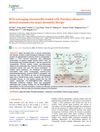
October 2025 in “Nano Research” In this study, researchers developed a dissolvable microneedle patch combining HA-TEMPO and Portulaca oleracea L.-derived nanoparticles, which effectively reduced oxidative stress and inflammation in an atopic dermatitis model while restoring immune balance, suggesting a promising treatment strategy.
 7 citations
,
July 2021 in “Molecules/Molecules online/Molecules annual”
7 citations
,
July 2021 in “Molecules/Molecules online/Molecules annual” This study demonstrated that an LC/MS-MS method could effectively detect and quantify the vitamin B3 vitamer nicotinamide in human hair, suggesting its potential use for long-term deficiency examination.
 38 citations
,
August 2012 in “Biochemical and biophysical research communications”
38 citations
,
August 2012 in “Biochemical and biophysical research communications” This study found that leukocytes and beard hair follicle cells have an endogenous circadian clock, with PER1 and PER3 expression possibly serving as biomarkers for assessing individual biological clock traits.
13 citations
,
February 2024 in “Clinical Cosmetic and Investigational Dermatology” This study demonstrated that intradermal treatment with a medical device using Polynucleotides High Purification Technology (PN HPT) significantly improved skin surface, firmness, pigmentation, and radiance in 30 Asian subjects, with benefits lasting up to six months and no adverse events reported.
January 2026 in “JPRAS Open” In this pilot study, PDLLA scalp microinjections showed improvement in physician-rated Global Aesthetic Improvement Scale scores over 12-24 weeks for 90% of patients with non-scarring alopecia, with no serious adverse events reported, although findings remain preliminary due to methodological limitations.