3 citations
,
August 2024 in “Biomimetics” In this study, researchers developed a silk fibroin-based hydrogel with added curcumin and pluronic F127, which displayed antibacterial properties against Methicillin-resistant Staphylococcus aureus and showed potential for skin tissue regeneration, without cytotoxicity.
 12 citations
,
January 2009 in “Journal of Oleo Science”
12 citations
,
January 2009 in “Journal of Oleo Science” The researchers reported that sterol surfactants with a bulky planar structure effectively solubilized ultraviolet ray absorbers, offering a stable solution more efficiently than other surfactants.
9 citations
,
May 2011 in “Hormones and Behavior” Allopregnanolone, a progesterone metabolite, helps reduce restraint effects on behavior.
 124 citations
,
February 2018 in “Nature Reviews Genetics”
124 citations
,
February 2018 in “Nature Reviews Genetics” This review covers recent findings on stem cell plasticity under normal and cancerous conditions but presents no new experimental results, highlighting implications for regenerative medicine and cancer treatments.
This study found that an injectable hair material showed good biocompatibility in micropigs and effectively promoted dermal thickening, suggesting its potential as a new soft tissue filler.
6 citations
,
June 2024 in “Gels” In this study, researchers used 3D printing combined with cryogenic crosslinking to develop gelatin/oxidized alginate scaffolds and found that adding 5% hydroxyapatite improved mechanical properties and osteogenic effects, enhancing bone tissue regeneration, though 10% hydroxyapatite offered no additional osteogenic benefits and reduced shape fidelity.
49 citations
,
January 2017 in “Journal of Materials Chemistry B” This study developed a hydrogel from glycol chitosan and silica nanoparticles, which showed promise in wound healing by supporting microvessel and hair follicle growth in skin defects.
March 2017 in “Zenodo (CERN European Organization for Nuclear Research)” This study found that probiotics, specifically the L. plantarum MTCC 1325 strain, may have protective effects against Alzheimer's-like symptoms induced by D-Galactose in animal models, suggesting potential therapeutic use for neurodegenerative disorders.
August 2024 in “Repozitorij Farmaceutsko-biokemijskog fakulteta (Sveučilišta u Zagrebu)” This study reports that a carbopol gel formulation with melatonin shows potential for extended drug release and biocompatibility in dermal applications due to its favorable bio-pharmaceutical properties.
3 citations
,
January 2024 in “Cell Transplantation” This study reviews various factors affecting mesenchymal stem cell transplantation efficacy, including platelet concentrate composition, donor characteristics, and environmental influences, and examines strategies for optimizing outcomes through preconditioning and combined therapies in regenerative medicine.
 June 2026 in “International Journal of Drug Delivery Technology”
 This study developed a Hyaluronic acid-Carbopol liposomal gel co-loaded with Adapalene and Clindamycin Phosphate, optimized to improve skin penetration and anti-acne efficacy, showing enhanced drug delivery, superior clinical effectiveness, and excellent skin tolerability compared to commercial formulations.
 June 2021 in “Pharmaceutical sciences”
 This study found that flutamide emulgels with 1% Transcutol P enhanced percutaneous absorption through rat skin more effectively than other formulations tested.
 123 citations
,
November 2012 in “Stem cells”
123 citations
,
November 2012 in “Stem cells” This study reports that miR-302 promotes pluripotency by inhibiting NR2F2 and indirectly regulating OCT4 in stem cells, enhancing reprogramming efficiency when added to traditional factors.
12 citations
,
October 2007 in “PubMed” This study reports that keratin actives may protect various hair types from chemical damage, restore damaged fibers' mechanical strength, and reduce color fading.
309 citations
,
October 2007 in “Biomaterials” This study found that a biomaterial gel made from human hair keratins facilitated nerve regeneration in an animal model, potentially matching the effectiveness of traditional autografts.
1 citations
,
June 2021 in “Preprints.org” This study demonstrated that hair relaxers containing common chemicals significantly reduced cell viability and increased apoptosis in human skin cells, suggesting potential toxicity that could be assessed with advanced in vitro technologies rather than animal testing.
1 citations
,
November 1975 in “PubMed” This study found that gelatin-resorcinol-formaldehyde caused peritoneal lesions and hair loss in rats and mice, indicating it is unsuitable for tubal occlusion and emphasizing the need for testing in multiple species before using compounds in humans.
 2 citations
,
October 2004 in “Organic Process Research & Development”
2 citations
,
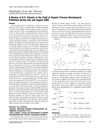
October 2004 in “Organic Process Research & Development” This review discusses U.S. patents in organic process development published in July and August 2004 and reports no new experimental results.
 15 citations
,
April 2008 in “Steroids”
15 citations
,
April 2008 in “Steroids” This study found that pregnane derivatives with higher lipophilicity, like compound 9d, had stronger androgen receptor binding and greater antiandrogenic effects in rats, correlating relative binding affinity with log P values.
 2 citations
,
May 2023 in “Life”
2 citations
,
May 2023 in “Life” This review summarizes the mechanisms by which Plumbagin, a naphthoquinone derived from plants, may impact inflammation and explores its potential biological effects, highlighting areas that require further comprehensive research before considering it for therapeutic use.
 25 citations
,
May 2020 in “Daehan saengsik uihak hoeji/Clinical and experimental reproductive medicine”
25 citations
,
May 2020 in “Daehan saengsik uihak hoeji/Clinical and experimental reproductive medicine” This article discusses the potential benefits of platelet-rich plasma injections in ovarian tissue to improve reproductive outcomes in IVF for older individuals and proposes a mechanism to enhance embryo ploidy rescue, but reports no new clinical results.
 5 citations
,
July 2014 in “Acta Crystallographica Section D-biological Crystallography”
5 citations
,
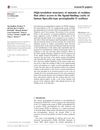
July 2014 in “Acta Crystallographica Section D-biological Crystallography” This study reports that mutations in human L-PGDS affect the entrance and exit of ligands in its binding cavity, suggesting these residues play a role in ligand interaction processes.
 28 citations
,
December 2011 in “Biocatalysis and biotransformation”
28 citations
,
December 2011 in “Biocatalysis and biotransformation” This study found that a peptide treatment using Protein disulphide isomerase improved the mechanical and thermal properties of over-bleached hair by promoting deeper peptide penetration and attachment.
19 citations
,
January 2012 in “Frontiers in Neural Circuits” This study found that neurosteroids and benzodiazepines decrease network excitability in neuronal cultures, with specific long-term depressive effects on inhibitory neurons.
January 2026 in “Journal of Applied Polymer Science” In this study, researchers developed a novel composite fiber by incorporating minoxidil sulfate-loaded ZIF-8 nanoparticles into a polyvinyl alcohol matrix, achieving sustained drug release for up to 220 hours, strong mechanical properties, and the capability for cosmetic applications like wigs.
 January 2026 in “Frontiers in Medicine”
 In this study, PP-PTKL exhibited antioxidant, anti-inflammatory, and pro-melanogenic effects in laboratory settings, suggesting its potential role in preventing or treating hair greying. Further animal and human studies are needed to verify these findings.
 March 2026 in “Collagen and Leather”
 This study found that a newly developed supramolecular FPC hydrogel effectively promotes wound healing through its anti-inflammatory and angiogenic properties, making it a promising material for wilderness first aid due to its storage convenience, sprayability, and ability to speed up wound recovery.
71 citations
,
December 2018 in “Journal of Pain Research” This study suggests that controlling variables during platelet-rich plasma preparation and application may improve its reliability and effectiveness in providing long-term relief from chronic pain.
 10 citations
,
January 2024 in “Polymer Chemistry”
10 citations
,
January 2024 in “Polymer Chemistry” This review discusses the design and advances of lipid–polymer hybrid nanoparticles as promising delivery systems for genome editing strategies, highlighting their potential in biomedical applications.
 3 citations
,
January 2014 in “Arhiv za farmaciju”
3 citations
,
January 2014 in “Arhiv za farmaciju” This article discusses the role and potential of plant stem cell extracts in cosmetics for their antioxidant and protective effects on skin cells, reporting no new clinical results; the authors highlight ecological and sustainable production methods.