 1 citations
,
December 2022 in “Exploration of Medicine”
1 citations
,
December 2022 in “Exploration of Medicine” This review discusses the antioxidant and photoprotective potential of Polypodium leucotomos for use as a natural sunscreen ingredient and reports no new experimental results; further studies are recommended to evaluate its effectiveness.
 32 citations
,
January 2021 in “Molecules”
32 citations
,
January 2021 in “Molecules” This review compiles studies on the antidiabetic potential of plants from the Middle East, particularly from the Asteraceae and Lamiaceae families, but reports no clinical results.
 111 citations
,
August 2002 in “Journal of Medicinal Chemistry”
111 citations
,
August 2002 in “Journal of Medicinal Chemistry” This study reports that 2-(1-Adamantyl)-4H-thiochromen-4-on-6-O-sulfamate is the most potent steroid sulfatase inhibitor identified so far, exhibiting 170-fold higher activity than the lead compound estrone sulfamate.
 January 2020 in “Elsevier eBooks”
 This chapter provides an overview of phytochemicals with properties to combat alopecia and discusses the potential of flavonoids, found in several herbs, as a safer alternative to synthetic hair loss treatments due to their long-term skin compatibility.
9 citations
,
December 2021 in “Molecules” This study found that certain metabolites from the plants Bidens pilosa, Calophyllum inophyllum, and Fagraea berteroana may support hair follicle growth by promoting dermal papilla cell proliferation, supporting their traditional use in hair care.
3 citations
,
January 2016 This study found that wild and ancient maize genotypes host endophytes that can suppress fungal pathogens and aid in nutrient acquisition, supporting their potential role in plant growth and resilience.
 1 citations
,
January 2017 in “Organic chemistry”
1 citations
,
January 2017 in “Organic chemistry” This article reviews the traditional uses and documented properties of Tridax procumbens in medicine but reports no original research findings, emphasizing its potential therapeutic applications.
August 2025 in “International Journal of Biochemistry Research & Review” In this study, G. brevis and M. myristica, alone or together, improved hematological and testicular antioxidant parameters in male rats with finasteride-induced reproductive toxicity, showing potential protective effects against oxidative stress and supporting therapeutic use for related male reproductive disorders.
![Antiexudative Effects of Finasteride and a New Pyrazolo[C]Pyridine Derivative GIZh-72 in Acetic Acid-Induced Experimental Peritonitis](/images/assets/10e636c8-32b7-4d90-b645-80e0039c5960/small/4762.jpg) February 2020 in “Bulletin of Experimental Biology and Medicine”
February 2020 in “Bulletin of Experimental Biology and Medicine” Finasteride and GIZh-72 reduce inflammation, with GIZh-72 being more effective.
 5 citations
,
September 2020 in “Molecules”
5 citations
,
September 2020 in “Molecules” In this study, extracts from three Polynesian plants—Bidens pilosa, Calophyllum inophyllum, and Fagraea berteroana—were found to increase dermal papilla cell proliferation and modulate hair growth-related gene expression, suggesting potential for stimulating hair growth.
 June 2025 in “Current Trends in Biotechnology and Pharmacy”
 This study found that when applied for 24 hours, a polyherbal formulation made from Ficus religiosa and Abrus precatorious promoted more significant hair growth in Male Wistar rats than Minoxidil and the control group, and the extracts also exhibited notable antibacterial activities.
 January 2024 in “Wiadomości Lekarskie”
 This study reports a successful combination treatment for phospho-organic compound poisoning, using standard therapy with atropine and toxogonin along with exogenous cholinesterases via blood transfusion, showing positive outcomes in patients whose endogenous cholinesterase levels dropped to 20%.
 March 2024 in “Revista Agraria Academica”
 This review reported that the dwarf palm (Chamaerops humilis) is traditionally used in North Africa for treating diabetes and gastrointestinal diseases, and identified a need for more research on its pharmacological and ethnobotanical properties, particularly in relation to its potential cancer-fighting uses.
5 citations
,
September 2024 in “Biomolecules and Biomedicine” This study found that total glucosides of paeony (TGP) reduced hair loss and inflammation in alopecia areata mice by inhibiting cellular pyroptosis.
 12 citations
,
September 2014 in “Journal of Food Science and Nutrition”
12 citations
,
September 2014 in “Journal of Food Science and Nutrition” This study suggests that Platycarya strobilacea extract promotes hair growth in mice by enhancing stem cell factor expression, reducing mast cell numbers, and increasing cytokines associated with hair growth.
5 citations
,
March 2023 in “Journal of Cosmetic Dermatology” This study reports that Plantago asiatica L. extract may promote hair growth by enhancing growth factor production and activating specific signaling pathways in hair follicle dermal papilla cells.
 165 citations
,
February 2014 in “Phytotherapy Research”
165 citations
,
February 2014 in “Phytotherapy Research” Myrtle has various health benefits and potential for medicine development.
11 citations
,
May 2018 in “Frontiers in plant science” This study found that overexpressing the PCaP2 protein in Arabidopsis enhanced drought tolerance by influencing ABA and SA signaling pathways and regulating root hair growth, suggesting a key role in water deficit response.
6 citations
,
April 2019 in “Pesquisa Veterinária Brasileira” This article reviews the potential risks of various phytotoxins in milk for animals and humans, discussing the need for awareness and further research but providing no new findings.
 75 citations
,
November 2016 in “Medicines”
75 citations
,
November 2016 in “Medicines” This review discusses the properties and therapeutic potentials of beta-sitosterol, highlighting a need for more detailed studies on its mechanisms and long-term effects in humans; it reports no new results.
November 2025 in “OPAL (Open@LaTrobe) (La Trobe University)” This study found that the leaf extract of Tectona grandis and its major bioactive constituents moderately inhibit the 5α-reductase enzyme, which is linked to androgenetic alopecia, and also possess anti-inflammatory properties, showing promise as dual-action candidates for managing this condition.
2 citations
,
April 2019 in “Pharmaceutical sciences and research” This study found that lotion containing ethanolic extract of Phyllanthus niruri promoted hair growth in rats, with the addition of 1% menthol enhancing this effect compared to the extract alone.
 May 2025 in “Experimental Dermatology”
 This study found that specific TRPM5 modulators are unlikely to directly affect sebaceous glands, but safe TPPO analogues may provide moderate lipogenic and anti-inflammatory effects beneficial for dry skin conditions.
April 2024 in “Molecules/Molecules online/Molecules annual” This review discusses the potential of P. polyphylla saponins to treat acne through antibacterial, anti-inflammatory, immunomodulatory, and antioxidant effects, noting that acne's complex pathogenesis makes this line of research promising for future studies.
69 citations
,
March 2003 in “Journal of Experimental Botany” This study found that salinity stress in Arabidopsis thaliana root hairs may inhibit hair extension through changes in the tip-focused Ca(2+) gradient, while cytosolic pH remains unaffected.
 March 2024 in “Plant physiology”
 This study found that the transcription factor GLABRA 2 inhibits ethylene production, regulating root hair growth in Arabidopsis under nutrient deficiency conditions.
 3 citations
,
November 2017 in “International Journal of Pharmacy and Pharmaceutical Sciences”
3 citations
,
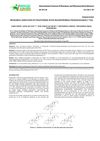
November 2017 in “International Journal of Pharmacy and Pharmaceutical Sciences” This study identified new oxidative derivatives of finasteride, including a newly discovered metabolite, by using the fungus Macrophomina phaseolina.
This study investigates the hair growth promoting potential of a polyherbal formulation containing Cicer arietinum, Ocimum sanctum, and Cyperus rotundus, but reports no new clinical results.
 11 citations
,
August 2017 in “Journal of Chromatographic Science”
11 citations
,
August 2017 in “Journal of Chromatographic Science” This study established a rapid and accurate ultra-performance liquid chromatographic method for chemical fingerprinting and analyzing Platycladi cacumen, effectively distinguishing batches based on geographical and climatic conditions.
 58 citations
,
June 2012 in “Journal of Alternative and Complementary Medicine”
58 citations
,
June 2012 in “Journal of Alternative and Complementary Medicine” This review analyzes the traditional Iranian medicine uses of Citrullus colocynthis and compares them with modern phytotherapy findings, reporting no new clinical results but noting safety concerns and dosage considerations.