 22 citations
,
May 2002 in “Skin Research and Technology”
22 citations
,
May 2002 in “Skin Research and Technology” This study found that in male androgenetic alopecia, the contrast enhanced phototrichogram technique was superior in detecting changes in hair density and thickness compared to other methods.
 3 citations
,
December 2019 in “Journal of Cosmetic and Laser Therapy”
3 citations
,
December 2019 in “Journal of Cosmetic and Laser Therapy” This study found that plasma rich in growth factors showed promising results for increasing hair number and thickness in androgenic alopecia patients, with better outcomes after multiple injections.
15 citations
,
July 2020 in “Applied Sciences” This study found that a single injection of Platelet Rich Stroma improved knee function and reduced pain and stiffness in patients with knee osteoarthritis over twelve months.
 33 citations
,
May 2006 in “Journal of Investigative Dermatology”
33 citations
,
May 2006 in “Journal of Investigative Dermatology” This study found that high levels of parathyroid hormone-related protein expression can result in the production of shorter hair shafts, likely through effects on angiogenesis.
1 citations
,
April 2008 in “Progrès en Urologie” Systematic end-of-trial biopsies are the most reliable way to assess outcomes.
 November 2022 in “The journal of investigative dermatology/Journal of investigative dermatology”
 This study found that cPPARγ and dnPPARγ isoforms are differentially expressed in healthy human skin, suggesting that PPARγ modulators may have compartment-specific effects depending on isoform presence.
April 2026 in “Journal of Dermatological Treatment” This study concluded that in female pattern hair loss patients, CGF and i-PRF treatments were more effective than PRP in increasing target area hair count, with i-PRF having the lowest adverse event rate.
96 citations
,
October 1987 in “The Journal of Clinical Endocrinology & Metabolism” This study found that long-term GnRH agonist administration in premenopausal women with polycystic ovarian disease resulted in persistent suppression of ovarian steroid secretion, while adrenal steroid levels remained unchanged.
August 2003 in “Oncology Times” This article discusses the considerations and challenges surrounding a proposed large-scale trial on testosterone-replacement therapy in older men and reports no new results.
January 2008 in “Memorial University Research Repository (Memorial University)” This study found that the NHD domain, but not the PHD domain, of hPygo2 is crucial for Wnt-independent growth of ovarian cancer cells, and identified a key interaction with Treacle protein involved in ribosomal biogenesis.
January 2024 in “Journal of Health Study and Medicine” This review discusses the types, preparation, and current applications of platelet-rich plasma in medicine, particularly focusing on its use in gynecology and obstetrics, but presents no new clinical results.
 87 citations
,
July 2018 in “Biochimica et Biophysica Acta (BBA) - Molecular Cell Research”
87 citations
,
July 2018 in “Biochimica et Biophysica Acta (BBA) - Molecular Cell Research” This review discusses the essential roles and complex regulation of PP2A in various physiological processes and reports no clinical results; the authors highlight the need for further mouse model research to explore PP2A's therapeutic potential.
March 2026 in “Pediatric Dermatology” This study observed that GPT-4o, a generative AI model, showed high concordance with human providers in automating image-based SALT scores for assessing alopecia areata, suggesting its potential in assisting clinical evaluations without additional training.
 1 citations
,
September 2022 in “Journal of dermatological science”
1 citations
,
September 2022 in “Journal of dermatological science” This study found that a combination of vitamins in hair care products promoted hair shaft elongation in a mouse model by activating the PlGF/VEGFR-1 signaling pathway.
 January 2017 in “Hair transplant forum international”
 This study examined the effects of platelet-rich plasma (PRP) treatment on women with female androgenetic alopecia in a double-blind, placebo-controlled pilot trial, but specific results were not reported in the abstract.
43 citations
,
December 2012 in “The Journal of Steroid Biochemistry and Molecular Biology” This study found that progesterone reduces neuronal injury from tributyltin exposure in rat hippocampal slices through a mechanism dependent on allopregnanolone and GABAA receptors.
This study identified CXXC5 as a key mediator of hair loss induced by PGD2 and DHT via suppression of the Wnt/β-catenin pathway, with implications for potential therapeutic targets.
 May 2017 in “bioRxiv (Cold Spring Harbor Laboratory)”
 This study found that the peach gene CTG134, involved in auxin-ethylene interactions, plays a role in hormonal regulation during root hair formation in Arabidopsis and tobacco.
2 citations
,
February 2012 in “PubMed” This study found that Gp₄G increased hair length, papilla cell numbers, and versican deposition in treated animals, potentially through alterations in hair follicle phases and nucleotide concentrations.
 April 2016 in “Journal of Investigative Dermatology”
 This study found that gypenosides from Gynostemma pentaphyllum increased procollagen synthesis in vitro and reduced periorbital wrinkles by about 14% in a clinical trial with 24 women.
35 citations
,
July 2010 in “The FEBS journal” In this study, researchers identified a highly reactive, isozyme-specific sequence for TGase 3, contributing to understanding its distinct functional role and activity distribution in the mouse epidermis.
 September 2017 in “Journal of Investigative Dermatology Symposium Proceedings”
 This study found that prostaglandin D2 increases testosterone production in human keratinocytes through a mechanism involving ROS and REDOX potential, which could inform treatments for androgenic alopecia.
4 citations
,
January 2025 in “International Journal of Molecular Sciences” This study found that progesterone and its metabolite, allopregnanolone, provided anti-anxiety and anti-depressive effects in female mice, potentially independent of nuclear progestin receptors but requiring 5α-reduction and estradiol's influence on brain-derived neurotrophic factor.
 39 citations
,
January 2019 in “Cells”
39 citations
,
January 2019 in “Cells” This review discusses the molecular mechanisms of Hutchinson-Gilford progeria syndrome and evaluates current research trends, available mouse models, and prospects for developing therapies, but reports no new clinical findings.
 April 2019 in “Radiotherapy and oncology”
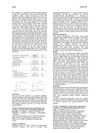
 HPV infection is linked to better survival in advanced anal cancer, higher radiation doses improve survival, especially in HPV-negative patients, and prostaglandin E₂ pretreatment can protect mouse hair follicles from radiation damage.
 22 citations
,
October 2019 in “International Journal of Nanomedicine”
22 citations
,
October 2019 in “International Journal of Nanomedicine” This study suggests that the hydrogel nanoparticle formulation of hair growth-promoting compounds may enhance hair follicle penetration and induce hair growth in tested models, demonstrating its potential as a hair growth treatment.
December 2024 in “Biochemical and Biophysical Research Communications” LMWP-PDGFA shows promise for improving hair health and treating hair loss with fewer side effects.
 65 citations
,
August 2007 in “Experimental Dermatology”
65 citations
,
August 2007 in “Experimental Dermatology” This study found that prostaglandin metabolism enzymes are present in human hair follicles, suggesting a potential role in hair growth and differentiation, with some expression differences between men and women.
 November 2025 in “PARIPEX-INDIAN JOURNAL OF RESEARCH”
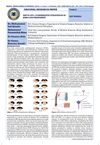
 GFC is more effective than PRP for treating hair loss.
May 2020 in “Journal of the Dermatology Nurses’ Association” This study concluded that using a multimedia patient education tool may improve patient comprehension of platelet-rich plasma treatment for androgenetic alopecia in a dermatology practice.