1 citations
,
July 2025 in “Frontiers in Pharmacology” This review summarizes how foods with both medicinal and nutritional properties are being examined for their potential role in addressing post-acute COVID-19 syndrome, but it reports no new clinical results.
November 2024 in “Clinical Nutrition Open Science” This study reports that in mesenchymal cells, the effect of resveratrol on cell viability and metabolic enzyme activity varied with dosage and exposure time, with high doses promoting bone differentiation and potentially benefiting mesenchymal cell health and differentiation into osteoblasts.
April 2024 in “International journal of molecular sciences” This source reports that for treating keloids and hypertrophic scars, combination pharmacotherapy targeting multiple sites is generally more effective than using a single drug, though outcomes of individual therapies vary and the development of satisfying treatments is ongoing.
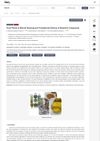
This review highlights the potential of plant-derived natural compounds as biocompatible and biodegradable materials in dermal and transdermal delivery systems, emphasizing their unexplored benefits and detailing recent advances in isolation techniques and drug delivery technologies.
 February 2024 in “Curēus”
 This review highlights the critical importance of a balanced diet, with adequate proteins, vitamins, and minerals, to support skin health and potentially treat inflammatory skin conditions like psoriasis and atopic dermatitis, emphasizing the need for evidence-based dietary guidance.
June 2019 in “International journal of dermatology and venereology” This review discusses the hedgehog signaling pathway's role in cutaneous tumors and hematological disorders, highlighting its potential as a therapeutic target, but reports no new clinical findings.
38 citations
,
April 2020 in “IntechOpen eBooks” This review discusses the potential antidepressant effects of phenylalanine, highlighting its significant activity in laboratory studies, but reports no new clinical findings.
9 citations
,
August 2020 in “International Journal of Molecular Sciences” This review examines compounds that activate IK1 channels, highlighting their potential for developing Kir channel agonists and addressing safety concerns, but does not report new experimental findings.
6 citations
,
January 2024 in “Journal of Biotechnology and Biomedicine” This review discusses the connections between atopic dermatitis and alopecia areata, emphasizing shared mechanisms and potential overlapping treatments, but it does not report new clinical findings.
September 2021 in “Journal of the Dermatology Nurses' Association” This abstract discusses the 2021 virtual Dermatology Nurses' Association Convention, outlining key dermatological insights shared, but it presents no new research findings or clinical results.
January 1990 in “대한피부과학회지” This study found that peanut agglutinin binding patterns after neuraminidase pretreatment can help differentiate malignant melanoma from nevocellular nevus in skin specimens.
36 citations
,
July 1987 in “Journal of toxicology and environmental health” This study found that rats fed diets with heated corn or peanut oil showed signs of toxicity, including liver and kidney weight increases, diarrhea, and ceased spermatogenesis, compared to those consuming fresh oils.
 11 citations
,
August 2009 in “Dermatologic Surgery”
11 citations
,
August 2009 in “Dermatologic Surgery” A man developed a rare scalp disorder, Folliculitis Decalvans, 20 years after hair restoration surgery, and it required long-term antibiotic treatment.
6 citations
,
April 1971 in “Journal of Wildlife Diseases” This study observed that captive flying squirrels with partial alopecia experienced complete hair regrowth after their diet was changed from sunflower seeds and peanuts to mouse chow over 11 months.
This study found that distinct hair fiber structures among blue fox, mink, and otter rabbit can be used to identify and differentiate these fur types.
January 2017 in “ResearchSpace (University of KwaZulu-Natal)” In this study, grade 5 learners preferred Edamame snacks over their usual sweet-flavored snacks, and different roasting methods did not significantly change the nutritional quality of Edamame beans.
August 2026 in “Pharmacy Reports” This study found that a nanoemulsion hair spray formula with 25% PEG 400 showed promising physicochemical stability, but further research is needed to assess its colloidal stability and efficacy in hair growth.
2 citations
,
October 2008 in “InTech eBooks” This review discusses the benefits of non-denatured soybean extracts in skincare, suggesting potential roles in skin lightening, anti-aging, delaying hair growth, and photoprotection, but it reports no new clinical results.
 1 citations
,
January 2022 in “Journal of Oleo Science”
1 citations
,
January 2022 in “Journal of Oleo Science” This study found that an aqueous extract of Phyllanthus emblica, primarily containing gallic acid, can activate hair growth gene expression and is effectively delivered to hair follicles using transfersomes.
August 2024 in “Proceeding Cendekia International Conference Health and Technology” In this quasi-experimental study, researchers explored the optimal formulation of a nanoemulsion containing candlenut ethanol extract, finding that specific combinations of tween 80, span 80, and sonication time affected its physical properties and stability, although further activity testing is needed.
 2 citations
,
November 2019 in “Phytotherapy Research”
2 citations
,
November 2019 in “Phytotherapy Research” This study found that consuming 100 mg of pea sprout extract daily for 8 weeks significantly reduced hair loss in individuals experiencing excessive hair shedding.
 May 2023 in “Pharma innovation”
 This review discusses PUFA-rich oil seeds and microencapsulation techniques but reports no new clinical results; the authors highlight microencapsulation as a promising method to protect PUFAs from oxidation.
2 citations
,
April 2011 in “InTech eBooks” This review discusses the potential skin care benefits of non-denatured soybean extracts, including skin lightening and UV protection, but reports no clinical results.
1 citations
,
January 2020 in “Journal of Biosciences and Medicines” This study found that a 5% gel with hydroalcoholic extract from black pop bean integument may have a photoprotective effect in mice exposed to UV-C radiation.
 August 2024 in “Journal of the Korean Society of Cosmetology”
 The research reported that applying treatments with wild peach leaf extract during hair dyeing improved hair's tensile strength, thickness, gloss, and protective qualities in a concentration-dependent manner, suggesting potential for use in natural hair cosmetics.
8 citations
,
June 2024 in “Pharmaceutics” This study found that using elastic nano-liposomes to deliver palmitoylethanolamide improved its transdermal delivery and enhanced its skincare effects, with minimal cytotoxicity and no allergic reactions observed.
 November 2025 in “Journal of Microbiology and Biotechnology”
 This study demonstrates that pea sprout extract promotes hair growth by activating specific signaling pathways and providing antioxidant and anti-inflammatory effects, suggesting its potential as a natural alopecia treatment.
1 citations
,
September 2025 in “Molecules” This study comparatively evaluated different extraction techniques for Schinus terebinthifolius Raddi leaf extracts and found that conventional extraction with ethanol yielded the highest antioxidant activity and beneficial effects on skin cell viability, supporting its potential use in sustainable cosmeceutical formulations targeting skin aging.
7 citations
,
August 2007 in “Journal of Biotechnology” 18 citations
,
February 2024 in “Nutrients” This study investigated a novel extract from pomegranate byproducts, finding it effective in reducing blood pressure and inflammation in hypertensive rats, comparable to Captopril, while also highlighting the extract's potential to enhance the pomegranate supply chain and environmental benefits.