10 citations
,
October 2011 in “Dermatologica Sinica” This case report describes a patient who developed multiple skin reactions, including eczematous lesions and alopecia areata, during adalimumab treatment, but found no improvement in pustulosis palmoplantaris with different biologics.
14 citations
,
August 2014 in “The FASEB Journal” This study found that the catalytically inactive serine protease CAP1/Prss8 can still induce skin disorders in mice and is subject to inhibition by nexin-1, independent of its catalytic activity.
49 citations
,
January 2010 in “Plant and Cell Physiology” This study found that a phosphorus starvation-insensitive mutant of Arabidopsis thaliana shows altered root growth and auxin responses under low phosphate conditions compared to wild-type plants, suggesting a role for LPR1 in regulating these traits.
11 citations
,
August 1948 in “Journal of Investigative Dermatology” In this study, oral calcium pantothenate was associated with improvement in the inflammatory phase of discoid lupus erythematosus of the scalp, with the most marked response observed in subacute cases.
 56 citations
,
December 2011 in “The Plant Journal”
56 citations
,
December 2011 in “The Plant Journal” AGD1 is important for root hair development in Arabidopsis, working with phosphoinositide signaling and the actin cytoskeleton.
 April 2023 in “Journal of Investigative Dermatology”
 This study found that in biopsied skin samples of alopecia areata, a lower anagen/telogen ratio was associated with increased T cell infiltration, and enhancing the PD-1/PD-L1 axis may inhibit CD8+T cell infiltration and improve the condition.
53 citations
,
September 2013 in “Journal of Investigative Dermatology” This study suggests that cultured hair follicle dermal sheath cup cells exhibit immune privilege properties, partly through the expression of PD-L1, which impacts co-cultured immune cells' behavior.
 April 2023 in “Journal of Investigative Dermatology”
 This study found that PX-12 inhibited the NLRP3 inflammasome and reduced psoriasis-like symptoms in a mouse model, suggesting its potential as a treatment for psoriasis.
21 citations
,
November 2019 in “Molecular & Cellular Proteomics” This study found that citrullinated proteins, which are implicated in rheumatoid arthritis, were abundant in outer membrane vesicles from Porphyromonas gingivalis but nearly absent in mutants, validating their approach to citrullinated peptide identification.
4 citations
,
February 2023 in “Stem Cell Research & Therapy” This study found that papillary dermal fibroblast progenitors in newborn mouse skin can be isolated and cultured to generate male germline cell precursors, demonstrating their potential through differentiation into cells with meiotic capability.
 12 citations
,
June 2019 in “Psychoneuroendocrinology”
12 citations
,
June 2019 in “Psychoneuroendocrinology” This study found that in rodent models, the ability of D1 dopamine receptor activation to impair sensory gating is facilitated by 5α-reductase type 1, which produces allopregnanolone.
 February 2024 in “Journal of Investigative Dermatology”
 In this study, the deletion of NIPP1 in keratinocytes led to chronic skin inflammation and epidermal changes in mice, with early cell-cycle arrest and premature senescence observed, potentially contributing to reduced mutagen sensitivity.
December 2020 in “The journal of investigative dermatology/Journal of investigative dermatology” This study suggests that IL-1β may play a role in inflammatory signaling pathways in papulopustular rosacea, contributing to its pathogenesis.
 February 2023 in “Research Square (Research Square)”
 This study reports that a new mouse model with a CARD14 mutation successfully mimics key human PRP symptoms, and anti-IL-17A antibody significantly reduces these symptoms.
 April 2018 in “Journal of Investigative Dermatology”
 This study found that palmoplantar pustulosis patients exhibited oral dysbiosis, particularly among those with pustulotic arthro-osteosis, as compared to healthy controls.
 9 citations
,
July 2018 in “European Journal of Dermatology”
9 citations
,
July 2018 in “European Journal of Dermatology” Brodalumab effectively treated a man's severe hand and foot psoriasis.
24 citations
,
December 2016 in “Stem Cell Research & Therapy” This study found that P311 triggers transdifferentiation of epidermal stem cells into myofibroblast-like cells via TGFβ1/Smad signaling during wound healing.
September 2025 in “OPAL (Open@LaTrobe) (La Trobe University)” This study found that Ang1 improved survival and proliferation in human follicle dermal papilla cells under DHT-induced stress, suggesting potential as a therapeutic candidate for androgenetic alopecia.
 September 2019 in “Journal of Investigative Dermatology”
 This study found that a history of smoking significantly predicted a more refractory course of palmoplantar pustulosis, with associated comorbidities often including hypertension, type 2 diabetes mellitus, and thyroid diseases.
 April 2016 in “The journal of investigative dermatology/Journal of investigative dermatology”
 The researchers reported that disrupting the RPGRIP1L gene in mice impaired desmosome function, causing skin blistering, and their findings suggest that PKCβII inhibition could help treat pemphigus.
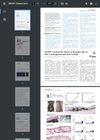 December 2023 in “The journal of investigative dermatology/Journal of investigative dermatology”
 In a mouse model study, researchers observed that the absence of MCPIP1 in myeloid cells decreased susceptibility to chemically induced skin papillomas but caused significant hair loss and skin pigmentation changes, suggesting a role for MCPIP1 in skin carcinogenesis and follicle integrity.
8 citations
,
January 2023 in “Journal of Research in Pharmacy” This study suggests that compounds from turmeric and bitter have potential antiviral activity against the influenza A virus by inhibiting the polymerase PA-PB1, warranting further experimental verification.
April 2020 in “The FASEB Journal” This study found that Rap1 deficiency in mice may lead to telomere shortening, DNA damage, and impaired mitochondrial function, contributing to cardiac aging and dysfunction.
 23 citations
,
December 2013 in “British Journal of Dermatology”
23 citations
,
December 2013 in “British Journal of Dermatology” This study identified a new PNPLA1 mutation in a Spanish family with autosomal recessive congenital ichthyosis.
176 citations
,
February 2006 in “Cancer Research” This study found that loss of Ptch1 function in mouse skin's basal cells is sufficient to rapidly induce tumors resembling human basal cell carcinoma, suggesting Ptch1 as a key tumor suppressor.
28 citations
,
January 2015 in “Journal of Cell Science” In this study, PINCH-1 gene loss in mouse epidermis led to detachment from the basement membrane, thickened skin, and hair loss, with findings suggesting PINCH-1 plays a role in keratinocyte adhesion through both ILK and EPLIN pathways.
39 citations
,
August 1998 in “FEBS Letters” In this study, researchers identified two novel peptidylarginine deiminases from treated rat keratinocytes, both showing enzyme activity with PAD‐R11 reflecting a characteristic of epidermal enzymes.
September 2024 in “Dermatologica Sinica” This study reported a rare case of pityriasis rubra pilaris-like skin reaction in an 18-year-old woman after starting ponatinib treatment for relapsed Philadelphia chromosome-positive acute lymphoblastic leukemia, which resolved after treatment adjustment and did not recur over 15 months.
 42 citations
,
February 1998 in “The Journal of Steroid Biochemistry and Molecular Biology”
42 citations
,
February 1998 in “The Journal of Steroid Biochemistry and Molecular Biology” This study found that PNU 157706 is a highly potent inhibitor of human 5α-reductase enzymes, showing a stronger and longer-lasting antiprostatic effect in rats compared to finasteride.
7 citations
,
January 2020 in “The journal of investigative dermatology/Journal of investigative dermatology” This study shows that NIPP1 deficiency in mouse epidermis leads to hyperproliferation, hair loss, and chronic skin inflammation, which can be partially alleviated by dexamethasone treatment.