July 2026 in “International journal of applied ayurved research.” In this case report, a 24-year-old male with alopecia areata showed significant hair regrowth and symptom improvement after 45 days of a comprehensive Ayurvedic treatment, with sustained results at a 60-day follow-up.
 March 2026 in “Food, Nutrition and Health.”
 This review highlights research reporting that oral collagen peptide supplements are effective in enhancing skin elasticity, hydration, and reducing wrinkles, although results vary across studies. Oral supplementation was generally well-tolerated, and further investigation is needed to optimize formulations and explore topical application challenges.
This study tested a novel cryo-carboxy dispensing device for treating androgenetic alopecia in six volunteers and found an unexpectedly rapid and positive response, with significant hair regrowth observed by day 90, prompting early conclusion of the trial.
 February 2023 in “IntechOpen eBooks”
 This article discusses the various administration methods and considerations for testosterone replacement therapy, highlighting the importance of individualized therapeutic monitoring and potential adverse effects, but reports no new clinical results.
 January 2022 in “International Journal of Health Science”
 The authors of this study aim to evaluate the strategies for using topical products in treating androgenetic alopecia, highlighting topical applications as potentially more effective and convenient compared to oral medications, which often suffer from poor patient adherence.
 17 citations
,
May 1998 in “Contact Dermatitis”
17 citations
,
May 1998 in “Contact Dermatitis” Minoxidil can cause pustular allergic reactions on skin.
12 citations
,
May 2020 in “Actas Dermo-Sifiliográficas” This article discusses emerging therapies for androgenetic alopecia, highlighting the use of intradermal dutasteride, but it reports no new clinical findings.
 June 2023 in “Brazilian Journal of Health Review”
 This review discusses the characteristics, causes, diagnosis, and treatment options for androgenetic alopecia and emphasizes the importance of managing expectations due to the variability in therapeutic outcomes.
 December 2022 in “Journal of complementary medicine & alternative healthcare”
 This case report describes significant improvement in adolescent alopecia with a 10-month regimen of traditional Chinese medicine, including oral and external treatments.
This study found that extract mixtures from certain Chinese herbs promoted hair growth in mice by inducing and prolonging the anagen phase when applied both intragastrically and topically.
 December 2023 in “International Journal of Biomedicine”
 In this review, researchers explored the potential of topical finasteride as an innovative treatment for male pattern hair loss, addressing the limitations of oral finasteride, such as side effects and inconsistent effectiveness.
83 citations
,
December 2012 in “International journal of endocrinology and metabolism/International journal of endocrinology and metabolism.” This article reviews the diverse clinical applications of oral contraceptives beyond birth control, suggesting their effectiveness in treating various female health disorders and conditions.
January 2026 in “Medicina” This review found that oral JAK inhibitors, used off-label in various inflammatory skin disorders, often resulted in rapid and sustained clinical improvements with acceptable safety over several months, although the evidence is drawn from case-based reports.
 August 2015 in “MOJ proteomics & bioinformatics”
 This study suggests that epithelial-derived pop-up keratinocytes (ePUKs) may improve regenerative medicine applications due to their specific phenotype and increased expression of proteins involved in regulating cellular movement and wound healing.
3 citations
,
April 2019 in “Journal of Mind and Medical Sciences” This review discusses the application of photodynamic therapy for treating oral lichen planus and indicates its potential benefits, but it reports no new clinical results.
 59 citations
,
July 2020 in “Journal of The American Academy of Dermatology”
59 citations
,
July 2020 in “Journal of The American Academy of Dermatology” This study concluded that oral minoxidil is an effective and well-tolerated alternative to topical minoxidil for healthy patients struggling with application-related compliance issues.
January 2023 in “Revista Eletrônica Acervo Saúde” This integrative literature review found that oral Minoxidil is a favorable alternative for individuals intolerant to topical application, effectively treating various forms of alopecia, though side effects like increased hair growth and minor dermatological reactions are noted.
 July 2026 in “Antioxidants”
 This review identifies agri-food by-products as promising sources of antioxidant compounds for cosmeceutical applications, examining their potential for skin, oral, and hair care, while noting the need for further research on safety and clinical efficacy.
February 2023 in “Seven Editora eBooks” This study aims to compare the differences in adverse reactions and efficacy between topical and oral use of minoxidil for hair growth, with a focus on newer, lower-dose oral applications originally used for hypertension.
1 citations
,
August 2019 in “IntechOpen eBooks” This article discusses the use of mesotherapy in dentistry and reports no new clinical results, emphasizing the need for further research on its applications for oral problems.
2 citations
,
June 2023 in “Journal of clinical medicine” This review found that both oral and topical soy-based products showed positive effects on various skin-related outcomes, including aging signs and skin barrier function, but topical applications were more likely to improve skin barrier status compared to oral supplementation.
 6 citations
,
February 2016 in “Journal of Microencapsulation”
6 citations
,
February 2016 in “Journal of Microencapsulation” This study found that injectable finasteride microspheres provided a sustained drug release with a minimal initial burst in albino rabbits compared to oral suspension.
April 2023 in “UNESP Institutional Repository (São Paulo State University)” In this study, oral minoxidil at 5 mg/day improved hair density comparably to topical minoxidil 5% in men with androgenetic alopecia over 24 weeks, offering a viable alternative for those intolerant to topical application.
52 citations
,
January 2023 in “Toxins” This narrative review discusses expert consensus on the optimal use of botulinum toxin injections for cosmetic applications in facial and oral-maxillofacial areas across Asian and Caucasian populations, highlighting injection techniques, effective doses, historical context, and potential complications.
1 citations
,
January 1980 in “Acta Dermato Venereologica” This study found that oral tetracycline hydrochloride significantly reduced the free fatty acid/triglyceride ratio in hair lipids of young men and women treating acne vulgaris, with or without additional ethyl lactate application.

This study developed consensus guidelines for the use of low-dose oral and topical minoxidil in male and female pattern hair loss, recommending specific doses, monitoring procedures, and timing of application around hair transplant surgeries.

This study developed consensus guidelines for using low-dose oral and topical minoxidil in patients undergoing hair transplant surgery for pattern hair loss, recommending dosing adjustments, monitoring protocols, and timing for post-surgery application.
4 citations
,
March 2022 in “Cosmetics” This review suggests that a dual treatment approach using Nourella® cream with nano-encapsulated Retilex-A® and per-oral Vercilex® tablets may effectively improve skin thickness, elasticity, and overall rejuvenation in aging skin, as shown in interventional studies.
11 citations
,
June 2025 in “Polymers” This review reports on recent surfactant-based niosome formulations, including those with polysaccharides, for versatile drug delivery applications such as ocular, oral, and transdermal settings, while discussing their limitations and potential prospects.
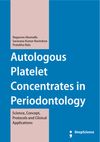
In this book, the authors provide an accessible overview of platelet concentrates and their dental applications, highlighting their role in tissue healing and regeneration, and reviewing recent studies on their efficacy in periodontal therapy, implant dentistry, and oral surgery.