 2 citations
,
July 2018 in “Elsevier eBooks”
2 citations
,
July 2018 in “Elsevier eBooks” This review discusses commonly used dietary supplements for hair growth and highlights the lack of evidence supporting their efficacy and safety in the absence of nutritional deficiency; it reports no new research results.
 1 citations
,
December 2021 in “Pakistan biomedical journal”
1 citations
,
December 2021 in “Pakistan biomedical journal” This review explores the effectiveness of seed cycling, a modern alternative medicine approach, in treating polycystic ovary syndrome and reports no new clinical results.
 April 2026 in “International Journal of Drug Delivery Technology”
 In this study, phytochemical analysis and molecular docking suggested that bioactive compounds in several Ayurvedic herbs may interact persistently with hair growth and antifungal protein targets, indicating potential as plant-based treatments for dandruff and hair loss.
 January 2026 in “The Pharma Innovation”
 This study describes the successful treatment of a stray kitten with Notoedric mange using a combination of Selamectin, benzyl peroxide shampoo, omega 3 and 6 supplements, and ayurvedic ointment, resulting in complete clinical recovery and negative skin scraping after six weeks.
 October 2025 in “International Journal of Innovative Research in Technology”
 In this study from IJIRT, researchers evaluated teaching programs focused on enhancing waste management knowledge among women, assessing the effectiveness of these educational initiatives.
 June 2025 in “Indian Journal of Veterinary Medicine”
 In this case report, a persistent skin infection in a Bullykutta dog was resolved with a 10-day treatment regimen of Sulphamethoxazole, trimethoprim, omega fatty acids, and topical therapy after previous treatments failed.
 December 2024 in “World s Veterinary Journal”
 This case study from Ukraine describes a 5-year-old Akita dog diagnosed with sebaceous adenitis, presenting with pruritus, alopecia, and inflammation; treatment over 30 days led to complete restoration of affected areas, implicating potential heritability in Akitas.
 November 2024 in “Indian Journal of Animal Health”
 In this case report, a 7-year-old Labrador with chronic alopecia, weight gain, and dermatitis, was diagnosed with hypothyroidism and treated with levothyroxine and other medications. Improvement, characterized by reduced skin lesions, was observed after two months.
 June 2024 in “International Journal for Research in Applied Science and Engineering Technology”
 This study aimed to formulate and evaluate a herbal hair gel using flax seed and aloe vera for promoting hair development and combating dandruff, finding that one formulation maintained long-term stability and antifungal efficacy.
 January 2024 in “Jurnal Ilmu Kesehatan Hewan”
 In this veterinary case report, a mixed breed dog with Malassezia dermatitis showed significant improvement and hair regrowth after 28 days of treatment with ketoconazole and other supportive therapies.
 August 2023 in “Repository of the University of Primorsk (University of Primorska)”
 A Western diet may increase acne risk, while a Mediterranean diet and certain supplements can help reduce it.

This review discusses lifestyle interventions and dietary modifications for managing PCOS symptoms but reports no new clinical results; the authors emphasize the importance of early diagnosis and management to prevent associated health issues.
 October 2020 in “Veterinary Dermatology”
 This review discusses autoimmune blistering diseases across species and highlights new treatment efficacy findings and ongoing trials, but it reports no new clinical results.
 November 2018 in “DergiPark (Istanbul University)”
 This case report describes successful treatment of Malassezia overgrowth and resulting dermatitis in a Chinchilla cat using Terbinafine HCL and Omega fatty acid supplements, emphasizing Malassezia's potential as a marker for underlying diseases.
 April 2014 in “Journal of evolution of medical and dental sciences”
 This article reviews the skin and hair changes associated with menopause due to hormonal shifts and reports no new clinical results.
 April 2023 in “JIVA : journal of Indian Veterinary Association Kerala/JIVA :Journal of Indian Veterinary Association, Kerala”
 This case study reported the successful recovery of a Doberman Pinscher with skin lesions, demodicosis, pyoderma, and malasseziosis following treatment with fluralaner, enrofloxacin, shampoos, immune boosters, and fatty acids.
 July 2014 in “Elsevier eBooks”
 The document concludes that various hypersensitivity diseases in horses can be diagnosed and treated with methods like immunotherapy and medication, and early aggressive treatment is crucial for severe diseases like equine cutaneous pythiosis.
16 citations
,
October 2013 in “Irish Veterinary Journal” This case study describes the successful use of recombinant feline interferon-omega in managing feline chronic gingivostomatitis syndrome in cats with type II diabetes, where long-acting corticosteroids are contraindicated.
 19 citations
,
January 2018 in “Scientific Reports”
19 citations
,
January 2018 in “Scientific Reports” This study provided the first proteome dataset for alopecia areata, revealing novel pathways in the disease mechanisms that may lead to new therapeutic targets.
 22 citations
,
September 2019 in “ACS omega”
22 citations
,
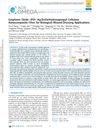
September 2019 in “ACS omega” This study found that AGO@HPC nanocomposite films demonstrated enhanced mechanical, anti-ultraviolet, and antibacterial properties, suggesting potential for use in antibacterial packaging and wound-dressing applications.
December 2025 in “International Journal of Innovative Technologies in Social Science” This narrative review assesses evidence on the role of oral supplements in reducing common side effects caused by isotretinoin treatment for acne vulgaris, with the aim of providing guidance for enhancing treatment tolerability.
466 citations
,
June 2009 in “Experimental dermatology” This review discusses recent advances in understanding acne pathobiology, highlighting the potential for developing new customized therapies, but it reports no new clinical findings.
April 2026 in “Veterinary Record Case Reports” In this case study, a 2-year-old Pomeranian dog from Mizoram, India, with alopecia X showed significant hair growth and improved skin condition after undergoing neutering and receiving omega-3 and omega-6 fatty acid supplements.
21 citations
,
March 2018 in “American Journal Of Pathology” In this study, it was observed that NIPAL4 mutations linked to autosomal recessive congenital ichthyosis lead to abnormal skin barrier function due to cytotoxic effects disrupting lipid structure and organization, which topical treatments only partially ameliorated.
18 citations
,
July 2016 in “Clinics in dermatology” This article discusses the interplay of skin, immunity, and nutrition, highlighting dietary and probiotic options for managing skin conditions, but reports no new clinical findings.
 8 citations
,
September 2021 in “Journal of Cosmetic Dermatology”
8 citations
,
September 2021 in “Journal of Cosmetic Dermatology” This review discusses the varied levels of evidence linking nutritional supplements and antioxidants to dermatological disorders, but it reports no new clinical results and highlights the need for rigorous trials.
 5 citations
,
September 2023 in “Journal of ethnopharmacology”
5 citations
,
September 2023 in “Journal of ethnopharmacology” This review from this study outlines the traditional uses, phytochemicals, and diverse pharmacological activities of Portulaca oleracea L. (purslane), suggesting its potential application in food, pharmaceuticals, and animal husbandry due to its various health benefits and nutritional properties.
 1 citations
,
April 2019 in “Endokrynologia Polska”
1 citations
,
April 2019 in “Endokrynologia Polska” This review discusses lifestyle interventions to manage weight and reduce metabolic consequences in women with PCOS but reports no new clinical results, highlighting the need for more randomized studies.
July 2026 in “Journal of Investigative Dermatology” This study found that omega-6 and saturated fatty acid-enriched diets promote weight gain and certain skin changes regardless of gut microbiota, while omega-3 diets limit adiposity and affect skin in a microbiota-dependent way in mice, highlighting a diet–microbiota–lipid relationship in skin health.
April 2018 in “Journal of Investigative Dermatology” This study found that women taking a daily oral supplement with omega-3 fatty acids, phytonutrients, and antioxidants for 14 weeks reported perceived improvements in hair growth, strength, and moisturization.