27 citations
,
June 2015 in “Journal of Investigative Dermatology” This study found that mutations in the TRPV3 gene can cause a broader range of symptoms in Olmsted syndrome than previously recognized, including severe palmoplantar keratoderma without other classic features.
 1 citations
,
October 2025 in “Nano Research”
1 citations
,
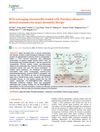
October 2025 in “Nano Research” In this study, researchers developed a dissolvable microneedle patch combining HA-TEMPO and Portulaca oleracea L.-derived nanoparticles, which effectively reduced oxidative stress and inflammation in an atopic dermatitis model while restoring immune balance, suggesting a promising treatment strategy.
 April 2017 in “Journal of Investigative Dermatology”
 In this study, bovine milk-derived oligosaccharides were found to increase sebocyte proliferation, lipid content, and inflammatory mediator synthesis through the mTORC1 pathway, potentially contributing to milk-based inflammation in sebocytes.
4 citations
,
January 2018 in “Health” This report describes the development of a low-cost method to mass-produce ostrich antibodies, which were shown to alleviate allergic reactions and demonstrate therapeutic effects in conditions such as atopic dermatitis, acne, and pollen allergies, potentially providing an alternative to steroids or antibiotics.
 2 citations
,
October 2015 in “Obstetrics and gynaecology cases - reviews”
2 citations
,
October 2015 in “Obstetrics and gynaecology cases - reviews” This case report details a postmenopausal woman with increased libido, hirsutism, and spontaneous orgasms, noting elevated testosterone levels and enlarged ovaries.
612 citations
,
February 2004 in “Nature” This study found that the OXI1 gene in Arabidopsis thaliana is vital for activating key protein kinases and is necessary for oxidative burst signal responses like pathogen resistance and root hair growth.
 February 2025 in “Pharmaceuticals”
 This study found that supplementing myo-inositol with microlipodispersed magnesium significantly improved acne and hirsutism in women with PCOS by reducing BMI, testosterone, and DHEAS levels, also enhancing quality of life without side effects, over 6 months.
 52 citations
,
May 2019 in “Journal of The American Academy of Dermatology”
52 citations
,
May 2019 in “Journal of The American Academy of Dermatology” This study evaluated the effectiveness and safety of low-dose oral minoxidil (2.5-5 mg daily) in men with male androgenetic alopecia, aiming to contribute data to an area with limited previous reports. Results are not provided in the abstract.
 4 citations
,
June 2019 in “Journal of Cosmetic Dermatology”
4 citations
,
June 2019 in “Journal of Cosmetic Dermatology” In this study, serum omentin-1 levels were significantly higher in females with idiopathic hirsutism compared to those with PCOS and healthy controls.
 2 citations
,
December 2021 in “International journal of Ayurveda and pharma research”
2 citations
,
December 2021 in “International journal of Ayurveda and pharma research” This case report describes a 19-year-old girl with PCOS who experienced symptom improvement, including normalized menstruation, after two months of Ayurvedic treatment.
1 citations
,
April 2022 in “Applied sciences” This study reports the development of a microemulsion using Momordica charantia extract, which demonstrated strong antioxidant and 5α-reductase inhibitory activity, potentially aiding hair loss management. The microemulsion was stable over 12 weeks, suggesting its future potential for cosmetic or pharmacological applications.
 7 citations
,
March 2018 in “Asian-Australasian journal of animal sciences”
7 citations
,
March 2018 in “Asian-Australasian journal of animal sciences” This study observed that the OCIAD2 and DCN genes in Liaoning cashmere goats have opposite effects on hair growth by interacting with the TGF-β signaling pathway, influencing follicle morphogenesis and periodic changes.
7 citations
,
August 2019 in “Journal of Dermatological Treatment” In this study, hydrosurgery for axillary osmidrosis was found to be efficient with fewer postoperative complications compared to the traditional two-incision method, showing lower rates of necrosis and scar formation, and achieving high patient satisfaction over a 24-36 month follow-up.
 December 2022 in “International journal of preventive, curative & community medicine”
 This article reviews current understanding and management strategies for polycystic ovary syndrome, emphasizing lifestyle changes alongside medical treatment, and reports no new clinical results.
March 2026 in “Journal of Bioscience and Bioengineering” Oxytocin from hair cells helps hair growth and stem cell increase.
 September 2017 in “Journal of Investigative Dermatology”
 This study found that fermented mackerel oil increased hair growth by promoting dermal papilla cell proliferation and cell cycle progression through wnt/β-catenin signaling activation in vibrissa follicles.
 August 2026 in “Dermatology and Therapy”
 In this study, patient-reported outcomes indicated that greater weight loss with GLP-1RA treatments was associated with increased reports of adverse cosmetic effects such as skin laxity, facial volume loss, and hair shedding, despite improvements in some preexisting inflammatory skin conditions.
 June 2025 in “Open Access Research Journal of Biology and Pharmacy”
 This study formulated an ointment using ethanolic extract from M. paradisiaca unripe peels and found that while the extract alone showed higher antibacterial activity against S. aureus and E. coli than the ointment, strategies to enhance the ointment's activity could be explored.
5 citations
,
January 2016 in “Hair therapy & transplantation” In this study, miliacin combined with polar lipids significantly stimulated IGF1 production, increased the renewal of keratinocytes, and enhanced collagen thickness in a hair follicle model.
June 2026 in “Biomedical and Therapeutics Letters” This review discusses AMH and ovarian morphology as complementary markers in diagnosing PCOS/PMOS and reports no new clinical results, highlighting the need for a multidomain approach in diagnosis and treatment.
This study observed that women with polycystic ovary syndrome showed hormonal changes and higher post-meal lipemia compared to healthy controls, alongside endothelial dysfunction potentially detectable before insulin resistance.
May 2026 in “Phytomedicine” 
This review discusses various management methods for adolescents with PCOS, highlighting lifestyle modifications and pharmaceuticals like metformin and oral contraceptives, but reports no new clinical results; the authors emphasize individualized treatment plans.
February 2026 in “ACS Omega” This study developed a multifunctional hydrogel, QTMP-Gel, which significantly accelerated wound healing in an oral mucositis hamster model by providing antioxidant and antibacterial effects, reducing inflammation, and controlling infection.
 May 2022 in “Journal of The American Academy of Dermatology”
 This systematic review reported objective clinical improvement with low-dose oral minoxidil in up to 100% of patients with androgenetic alopecia and up to 82.4% with alopecia areata.
37 citations
,
January 1986 in “Carcinogenesis” This study found that TPA treatment transiently induces high levels of ODC in mouse epidermal cells, particularly around hair follicles, with localization reduced by retinoic acid or cycloheximide pretreatment.
 September 2020 in “Journal of Investigative Medicine”
 This article discusses the role of the microbiome in different forms of alopecia and highlights the importance of Omics approaches for future research, but it provides no new clinical results.
3 citations
,
January 2011 in “Indian Journal of Dermatology Venereology and Leprology” This study found that an adjusted dosing regimen of oral betamethasone led to complete hair regrowth in an 8-year-old with alopecia totalis, without observed side effects.
This review outlines acne management strategies for individuals with polycystic ovary syndrome, but reports no new clinical results.
 4 citations
,
July 2018 in “The Journal of Allergy and Clinical Immunology: In Practice”
4 citations
,
July 2018 in “The Journal of Allergy and Clinical Immunology: In Practice” This review discusses both occupational asthma, caused by work, and work-exacerbated asthma, reporting no new clinical results and highlighting their prevalence in industrialized nations.